

1. When encountering this situation, which of the following is the correct way to overtake other vehicles?
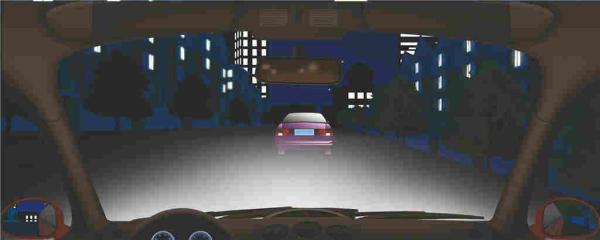
A. Turn on high-beam
B. Use high-beam and low-beam alternatively
C. Turn on low-beam
D. Turning on hazard lamp
Answer: B
2. When a motor vehicle temporarily stops at night, which lamp should be turned on?
A. Front and rear fog lamp, clearance lamp and rear position lamp
B. Head lamp, clearance lamp and rear position lamp
C. Hazard lamp, clearance lamp and rear position lamp
D. Reverse lamp, clearance lamp and rear position lamp
Answer: C
3. Drivers are not allowed to cross these lane-dividing lines when overtaking in the same direction.
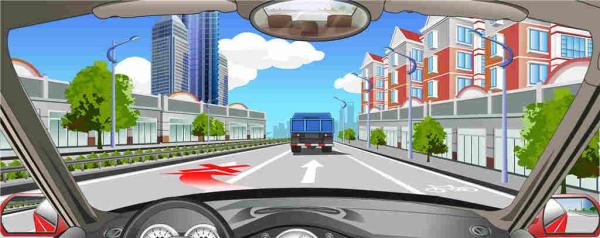
A. Right
B. Wrong
Answer: A
4. When seeing this sign, the driver should slow down promptly.
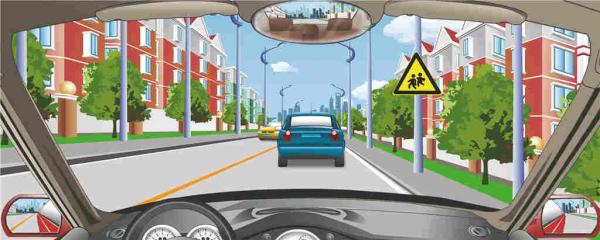
A. Right
B. Wrong
Answer: A
5. When the fuel of a motor vehicle catches fire, which of the following things cannot be used to put out the fire?
A. Sandy soil on the roadside
B. Cotton-padded clothes
C. Overalls
D. Water
Answer: D
6. When encountering this situation in a residential area the driver should sound the horn continuously.
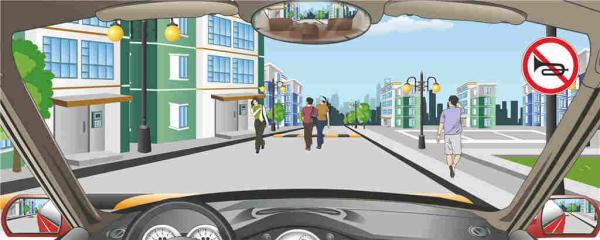
A. Right
B. Wrong
Answer: B
7. Under such circumstances, motor vehicles are not allowed to overtake.
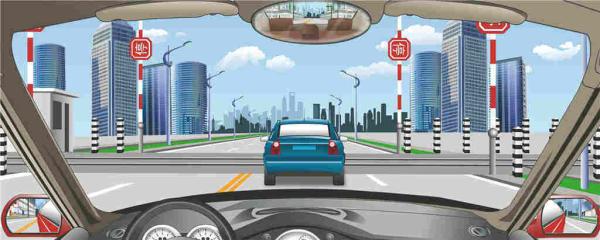
A. Right
B. Wrong
Answer: A
8. How many kinds of law-breaking acts are displayed in flash 4?
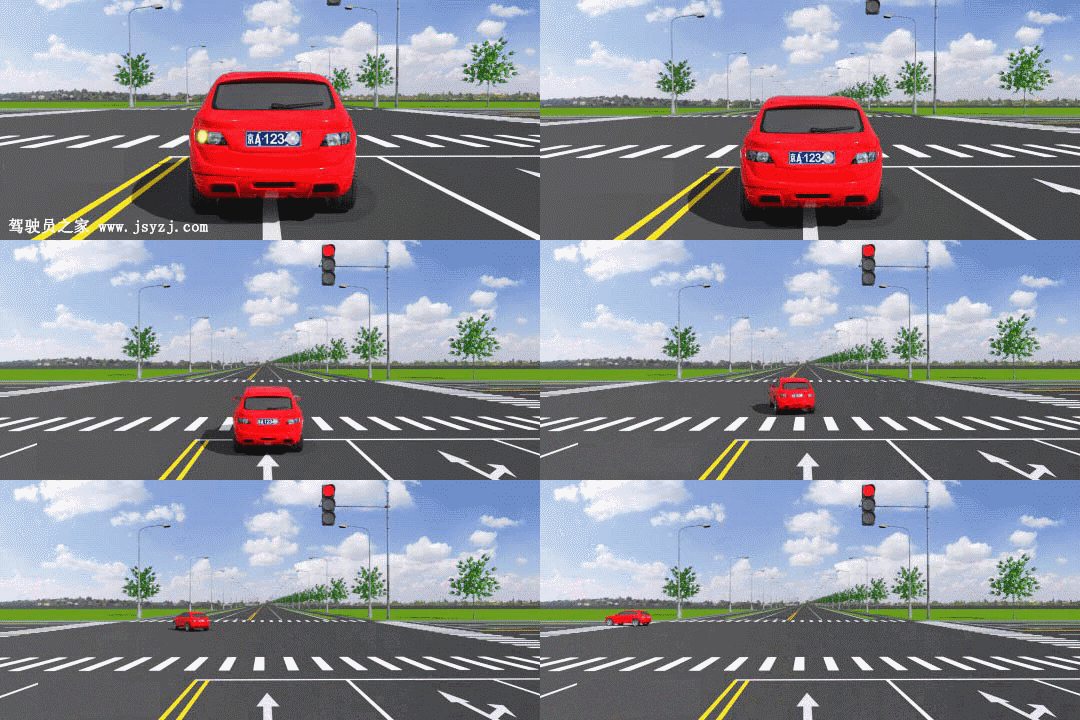
A. One
B. Two
C. Three
D. Four
Answer: C
9. Motor vehicle drivers may reverse at an intersection.
A. Right
B. Wrong
Answer: B
10. When encountering such pedestrians, motor vehicle drivers may continuously sound the horn to alert them to yield.
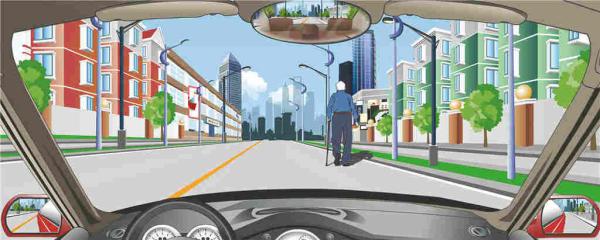
A. Right
B. Wrong
Answer: B
11. The sign on the right warns of a continuous downhill section ahead.
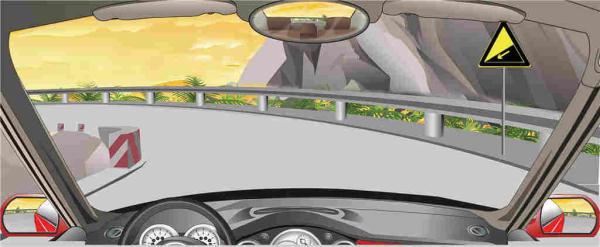
A. Right
B. Wrong
Answer: B
12. When a motor vehicle passes over an inundated road drivers should change to a high gear and pass rapidly.
A. Right
B. Wrong
Answer: B
13. How should lamps be used when setting off in this situation?
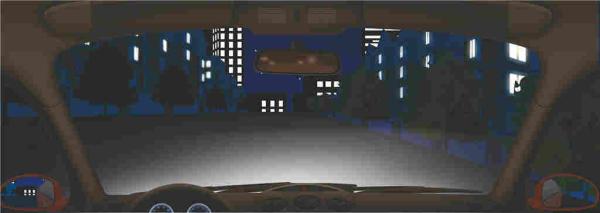
A. Turn on the high-beam
B. Turn on the left indicator only
C. Turn on the left indicator and low-beam
D. Turn on hazard lamp
Answer: C
14. The sign on the right warns of a widened left-hand road ahead.
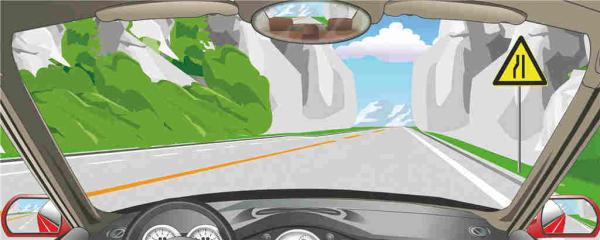
A. Right
B. Wrong
Answer: B
15. When encountering a school bus which stops at the right roadside and students are embarking or disembarking, and there are three motor vehicle lanes in each direction, motor vehicle drivers on the left lane behind the bus should stop and wait.
A. Right
B. Wrong
Answer: B
16. When parking temporarily in this situation, motor vehicle drivers are allowed to turn the steering wheel right to avoid sliding.
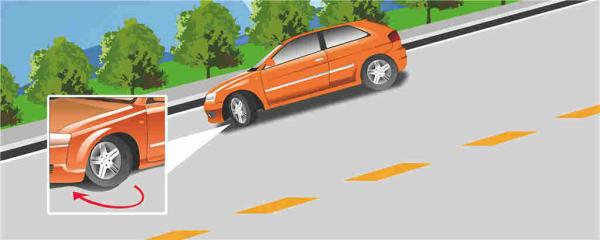
A. Right
B. Wrong
Answer: A
17. Under such circumstances, the driver should stop the vehicle and yield to pedestrians.

A. Right
B. Wrong
Answer: A
18. Drivers may turn left when traffic police give these hand signals.
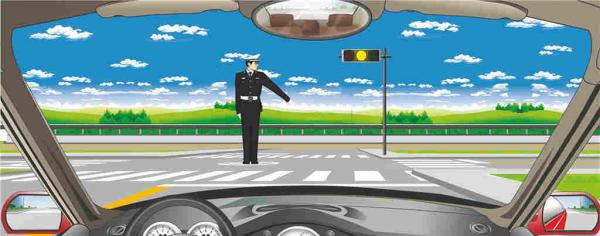
A. Right
B. Wrong
Answer: B
19. In rain, the most effective way to avoid the danger arising from water slide is to drive at high speed
A. Right
B. Wrong
Answer: B
20. When encountering such pedestrians, what should motor vehicle drivers do?
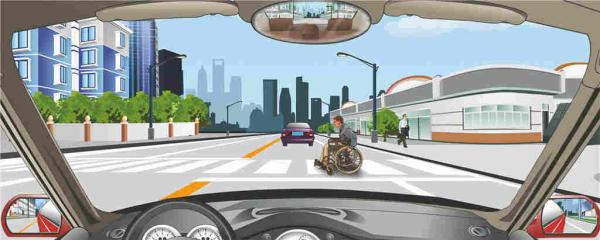
A. Bypass in front of the pedestrians
B. Bypass from behind the pedestrians
C. Sound the horn to alert the pedestrians
D. Voluntarily stop and yield
Answer: D