

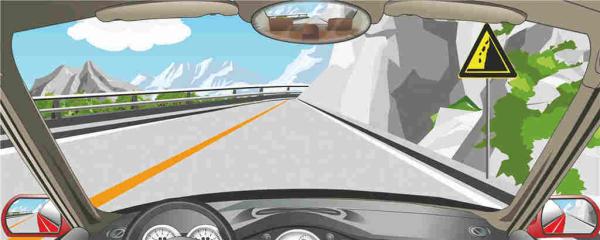
1. The sign on the right warns of a dangerous mountainside road on the left of the road ahead.
A. Right
B. Wrong
Answer: B
2. What matters need attention when driving on a rainy day?
A. Avoid using the emergency brake or making sharp turns
B. Keep a safe enough distance
C. Observe the traffic situation of non-motor vehicles and surrounding pedestrians
D. Drive at a safe speed
Answer: ABCD
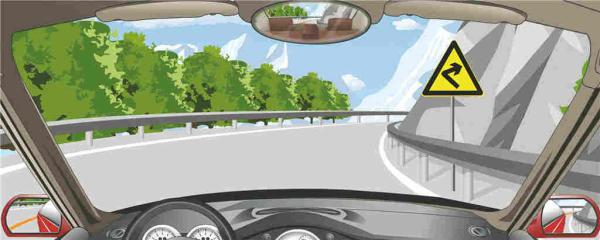
3. When driving on this dangerous mountainside road motor vehicle drivers should drive along the left side of the road.
A. Right
B. Wrong
Answer: B
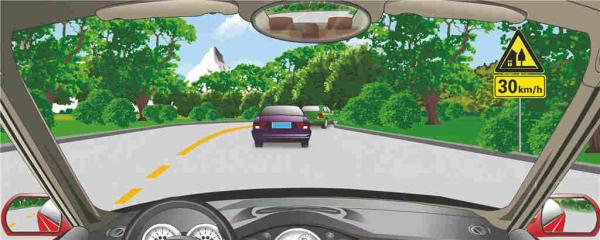
4. The sign on the right warns of a village or town ahead suggesting a 30km/hour speed.
A. Right
B. Wrong
Answer: A
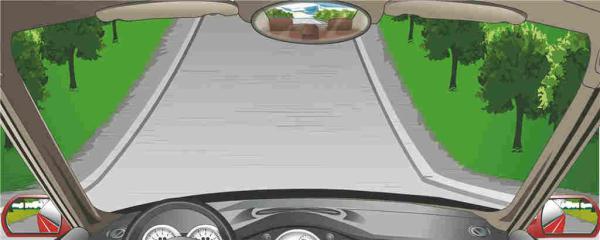
5. When encountering a road like this, motor vehicle drivers should downshift in advance to maintain the dynamic of the motor vehicle.
A. Right
B. Wrong
Answer: A
6. The main impact of muddy roads on safe driving is that the wheels may easily spin and skid
A. Right
B. Wrong
Answer: A
7. When driving on a snowy day, drivers should follow the tracks on the road before them.
A. Right
B. Wrong
Answer: A
8. The sign in front indicates the allocation of roads ahead.
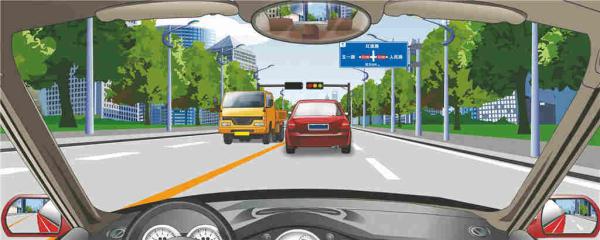
A. Right
B. Wrong
Answer: B
9. When finding a tire burst on the road, the driver should gently depress the brake pedal, reduce speed and stop the vehicle slowly.
A. Right
B. Wrong
Answer: A
10. Which one of the following is the safest way when driving a motor vehicle on this kind of road surface?
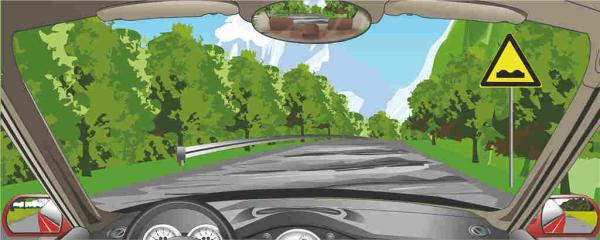
A. Slide over by using neutral gear
B. Pass with a high speed
C. Pass by speeding up
D. Pass with a low speed
Answer: D
11. Motor vehicle drivers don?ˉt need to fasten their seatbelt
A. Right
B. Wrong
Answer: B
12. Which one of the following is a safe way for motor vehicles to converge into an intersection marked with this sign?

A. Speeding up and driving into the traffic flow directly
B. Driving into the traffic flow behind the gray car on the main road
C. Driving into the traffic flow from the front of the red car on the main road
D. Turning on the indicator and driving into the flow directly
Answer: B
13. The sign on the right warns of a wildlife protection area ahead.
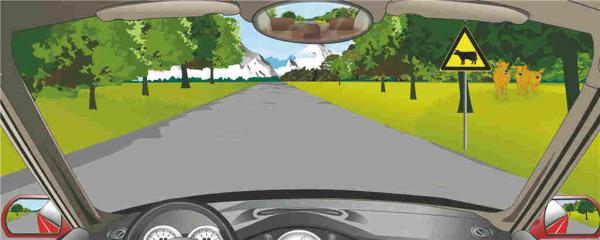
A. Right
B. Wrong
Answer: B
14. If the road condition behind is good, motor vehicle drivers should reverse rapidly.
A. Right
B. Wrong
Answer: B
15. The slow-down-and-yield line at the intersection ahead indicates that vehicle drivers should stop and give the right of way to vehicles on the trunk road.

A. Right
B. Wrong
Answer: B
16. What should the driver do when he encounters an oncoming ambulance in the same lane?
A. Keep to the side and reduce speed or stop to yield
B. Drive ahead by occupying another lane
C. Yield by speeding up and changing lanes
D. Drive ahead in the original lane
Answer: A
17. It is safest for a motor vehicle driver to overtake the vehicle in front from its righthand on this kind of road.
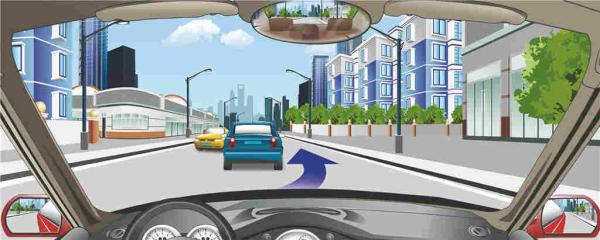
A. Right
B. Wrong
Answer: B
18. When a wounded person suffering bone fracture in the thigh, shank or spine, moving the wounded person is usually prohibited.
A. Right
B. Wrong
Answer: A
19. What should the driver do upon finding a burst rear tire?
A. Adjust by swiftly turning the steering wheel
B. Control the direction while reducing speed slowly
C. Swiftly turn the steering wheel to the opposite direction
D. Swiftly take braking measures
Answer: B
20. What should be done to keep safe when a motor vehicle driver is overtaking in this condition?
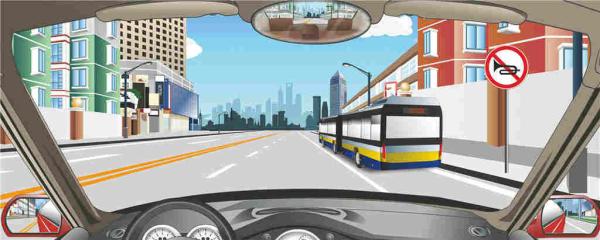
A. Reducing speed and keeping a safe distance
B. Continuously sounding the horn to indicate the vehicle in front
C. Accelerating to pass while keeping a certain distance
D. Overtaking by occupying the opposite lane
Answer: A