

1. When a motor vehicle accidentally hits the guardrail of the highway, what should be done by the driver in order to keep safe?
A. Firmly holding and properly adjusting the steering wheel
B. Turning swiftly to the opposite direction
C. Immediately applying emergency braking
D. Immediately steering to the collision side
Answer: A
2. On which of the following roads may the wheels be most easily locked when braking?
A. Concrete road
B. Dirt road
C. Road covered by ice and snow
D. Sand road
Answer: C
3. Motor vehicles are not permitted to change lanes in this position.

A. Right
B. Wrong
Answer: A
4. Mr. Wu drove a large bus with 33 passengers (capacity 22 people). At the spot of 7 kilometers mark by 300 meters on the No 163 County Road, the bus lost control and fell into a ravine. As a result of the accident, 10 people were killed and 21 injured. In accordance with the alcohol test after the accident the blood alcohol content of Mr. Wu was 26 milligram per milliliter. What is the main illegal act committed by Mr. Wu?
A. Speeding
B. Carrying more passengers than permitted
C. Fatigued driving
D. Driving after drinking
Answer: BD
5. When encountering a school bus which stops at the right roadside and students are embarking or disembarking, and there are three motor vehicle lanes in each direction, motor vehicle drivers on the left lane behind the bus should stop and wait.
A. Right
B. Wrong
Answer: B
6. Which one of the following is the safest way when driving a motor vehicle on this kind of road surface?
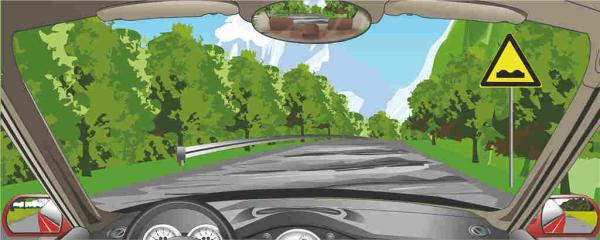
A. Slide over by using neutral gear
B. Pass with a high speed
C. Pass by speeding up
D. Pass with a low speed
Answer: D
7. The sign on the right is an advance announcement of the highway destination.
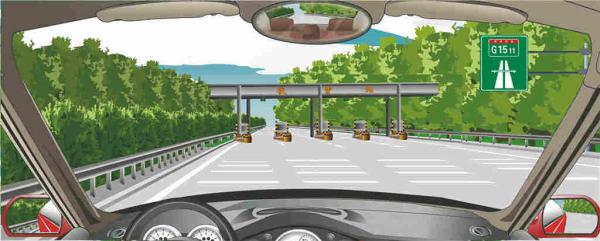
A. Right
B. Wrong
Answer: B
8. When encountering a road like this, motor vehicle drivers should downshift in advance to maintain the dynamic of the motor vehicle.
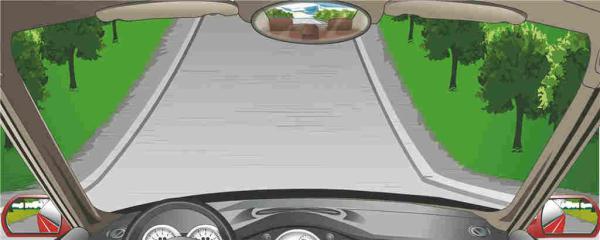
A. Right
B. Wrong
Answer: A
9. What should the driver do when a motor vehicle encounters this situation on a mountain road?

A. Stick to respective lanes and speed up to approach each other
B. Drive close to the central line of the road
C. Retain the normal speed
D. Slow down
Answer: D
10. When the wounded person is suffering main artery bleeding, where should the rescue personnel press by thumb to stop the bleeding?
A. The artery near the heart
B. The artery lower to the wound
C. The artery further from the heart
D. The artery in the center of the wound
Answer: A
11. The sign on the right warns of children on the section ahead.
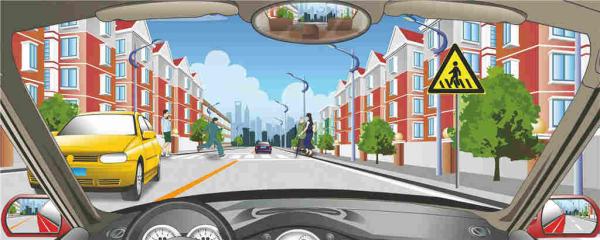
A. Right
B. Wrong
Answer: B
12. What should the driver do when the motor vehicle counters this situation?
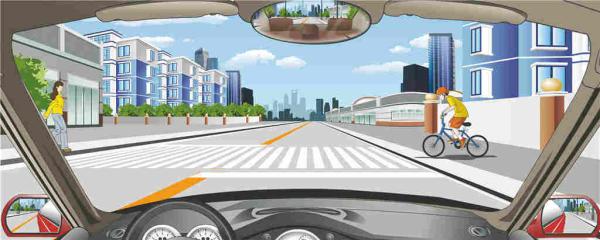
A. Sound the horn continuously to warn
B. Speed up and bypass from the front
C. Slow down when encountering any risks
D. Slow down voluntarily and yield
Answer: D
13. Under the circumstances shown in the flash, what should be done by the vehicle in front?
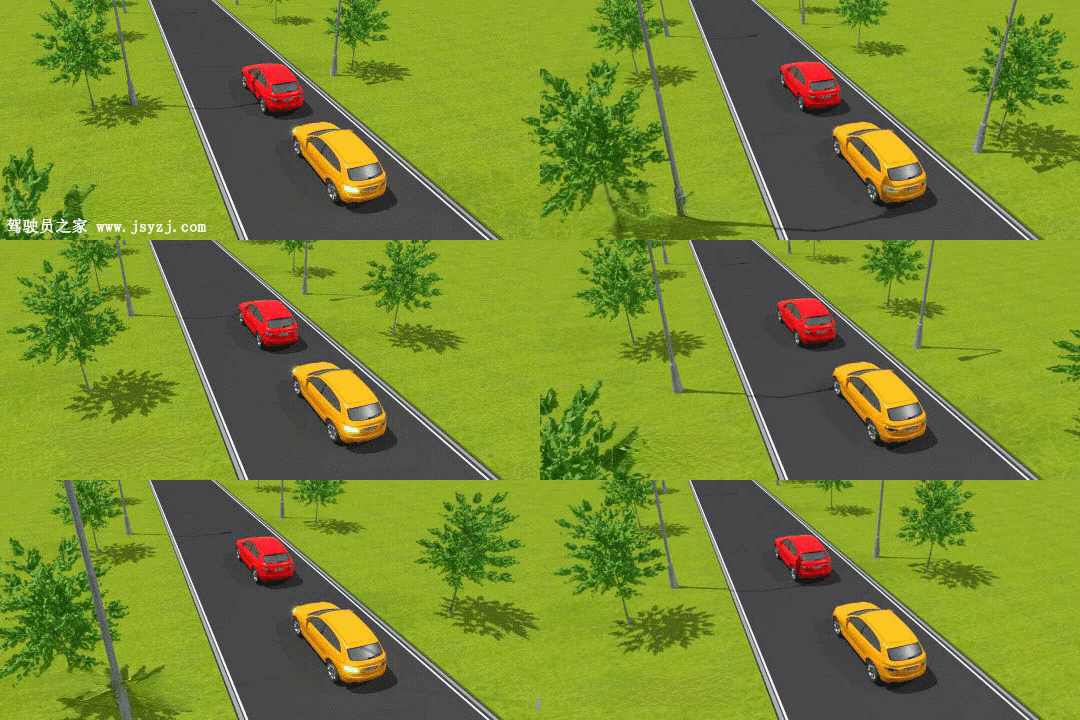
A. Reduce speed swiftly or apply emergency brake
B. Drive at a higher speed after giving a proper space
C. Reduce speed and yield by the right side of the road
D. Drive at a higher speed by the right side of the road
Answer: C
14. As shown in this picture, the intersection guide line is designed to help drivers make turns.

A. Right
B. Wrong
Answer: A
15. The motor vehicle equipped with ABS may sideslip during an emergency brake.
A. Right
B. Wrong
Answer: A
16. Which one of the following statements is correct in this situation?
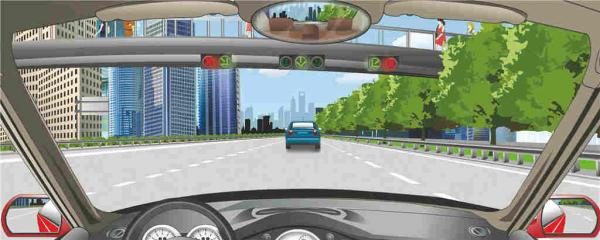
A. Vehicles are prohibited from passing in the lanes on either side
B. Move into the lane on either side at a reduced speed
C. Move into the lane on the right side
D. Move into the lane on either side at an increased speed
Answer: A
17. When seeing this sign, the driver should slow down promptly.
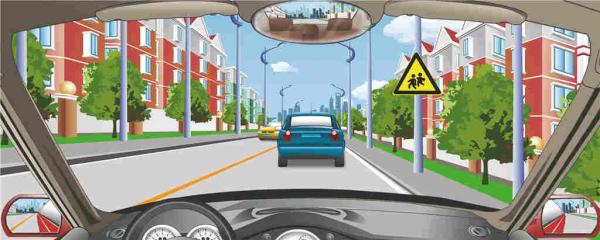
A. Right
B. Wrong
Answer: A
18. When driving on a long downhill road, which is the best way to control driving speed?
A. Coast in neutral gear
B. Depress the clutch and coast
C. Use the engine to brake
D. Depress the brake pedal continuously
Answer: C
19. Gun powder, explosives and detonating powder belong to which of the following dangerous chemicals?
A. Oxidizing materials
B. Inflammable solid materials
C. Explosives
D. Self-igniting articles
Answer: C
20. What should motor vehicle drivers do when approaching an oncoming vehicle on a frozen road?
A. Cut speed as approaching each other
B. Pass each other by speeding up properly
C. Pass each other slowly by cutting speed in advance
D. Pass each other along the central line to the best
Answer: C