

1. What device does the switch of this symbol control?
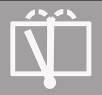
A. the windscreen wiper and washer
B. the rear window defrosting or defogging
C. the rear window wiper and washer
D. the windscreen defrosting or defogging
Answer: C
2. This sign warns the driver there is school area ahead.
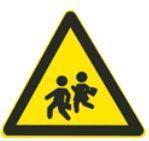
A. Right
B. Wrong
Answer: B
3. If discovering pedestrians abruptly cross the road while driving, the driver should immediately reduce speed and evade.
A. Right
B. Wrong
Answer: A
4. Whats the meaning of this sign?
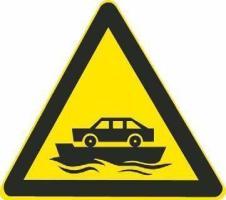
A. overflowing bridge
B. ferry
C. pier
D. overflowing road
Answer: B
5. When a following vehicle gives the overtaking signal, the driver should ________ if conditions permit.
A. Move to the right side and speed up
B. Voluntarily reduce speed and drive along the right side
C. Yield a proper space and speed up
D. Reduce speed rapidly or apply an emergency braking
Answer: B
6. What is this instrument?
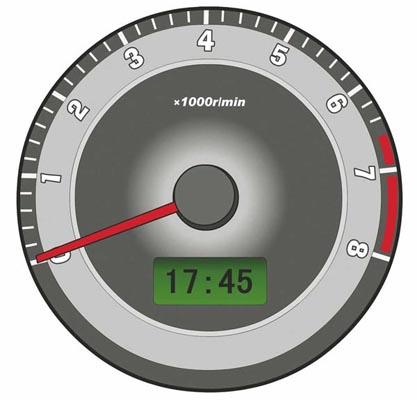
A. engine tachometer
B. driving speed meter
C. interval mileage meter
D. fuel consumption / 100 km
Answer: A
7. You have the priviledged passing right of way at the intersection in this situation.
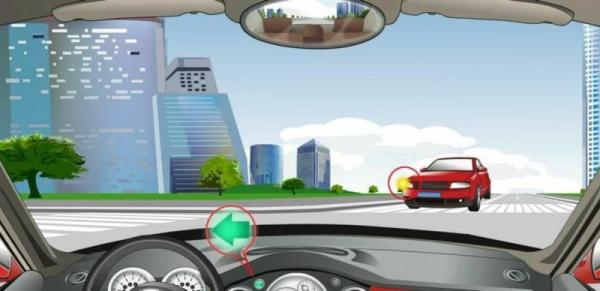
A. Right
B. Wrong
Answer: A
8. This sign indicates intersection ahead.
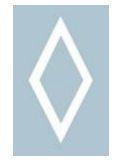
A. Right
B. Wrong
Answer: B
9. When encountering slow-moving vehicles at an intersection that has no traffic signals, the motorized vehicle should pass alternately.
A. Right
B. Wrong
Answer: A
10. A motorized vehicle can make a U turn on this road as long as it does not interfere other vehicles.
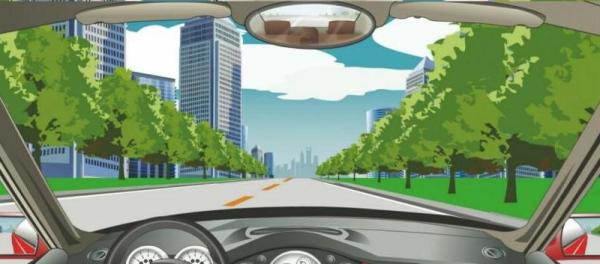
A. Right
B. Wrong
Answer: A
11. This sign indicates landslide section ahead and bypassing.
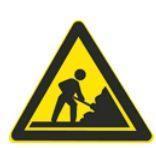
A. Right
B. Wrong
Answer: B
12. Which is correct when changing lane?
A. turn on the directional signal and turn left quickly
B. reduce speed properly when entering the left lane
C. cannot interfere other vehicles
D. speed up to enter the left lane
Answer: C
13. When a motorized vehicle returns to the original lane after overtaking, the driver should turn on the right-turn signal.
A. Right
B. Wrong
Answer: A
14. When a vehicle goes downhill on a mountain road, it is not allowed to overtake.
A. Right
B. Wrong
Answer: A
15. Which part of the driver can be protected by the safety pillow when there is a rear-end collision?
A. waist
B. chest
C. head
D. neck
Answer: D
16. A motorized vehicle driver who drives the vehicle which permission is different is subject to a ________.
A. 2-point penalty
B. 3-point penalty
C. 6-point penalty
D. 12-point penalty
Answer: D
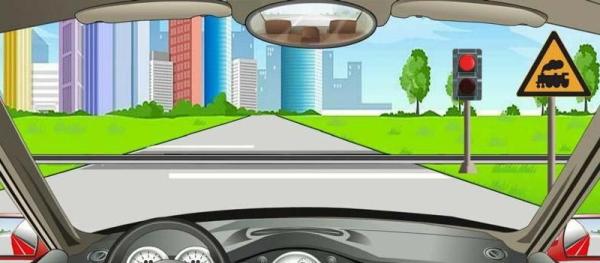
17. You should speed up to go through the railway crossing in this case.
A. Right
B. Wrong
Answer: B
18. Traffic Police only imposes a fine if a vehicle is suspected of using the falsified or altered label of inspection.
A. Right
B. Wrong
Answer: B
19. When a motorized vehicle goes at night through an intersection that has no traffic lights, the driver should not use the high and low beam lights alternately.
A. Right
B. Wrong
Answer: B
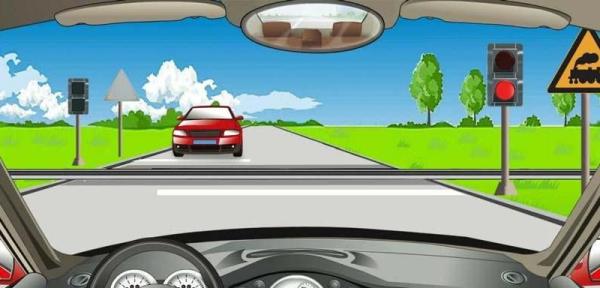
20. Pass the crossing as fast as possible if there is a red light at the intersection of a road or a level crossing.
A. Right
B. Wrong
Answer: B