

1. What is this manipulation device?
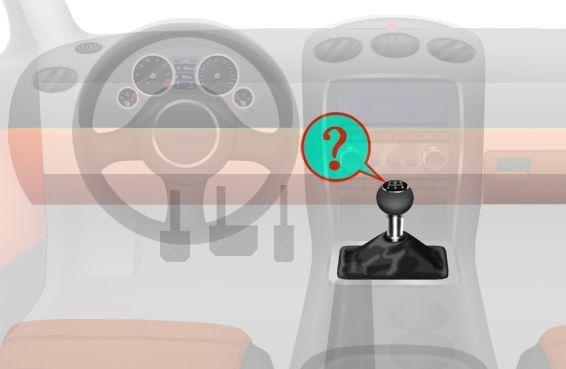
A. the handbrake
B. the air throttle lever
C. the gear lever
D. the clutch lever
Answer: C
2. Whats the meaning of this sign?

A. running by right side
B. no going straight
C. straight one-way road
D. yield if going to go straight
Answer: C
3. This set of the hand signals of the traffic police indicates that the vehicles should ___ .
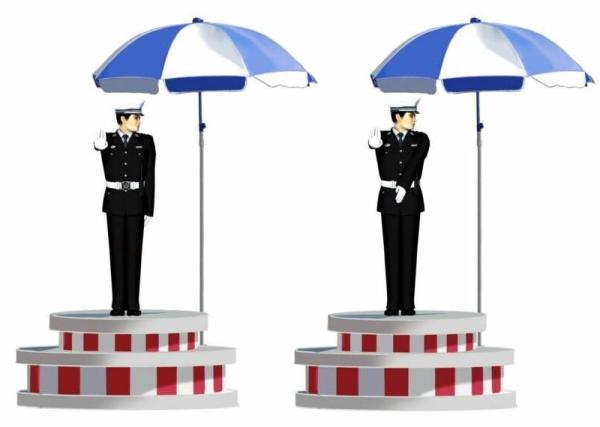
A. wait to turn left
B. pull over
C. reduce speed and pass slowly
D. turn left
Answer: D
4. A driver who drives an illegally assembled motorized vehicle is subject to ______ .
A. being held for criminal liabilities according to law
B. a fine of 200 yuan ~ 2,000 yuan
C. being revoked the vehicle license
D. being detained for less than 15 days
Answer: B
5. When a vehicles turns, it should do so on the right side and refrain from occupying the lane of the other party. The left turn should be gentle and the right turn should be sharp.
A. Right
B. Wrong
Answer: A
6. It lights continuously to indicate that ______

A. safety bags work
B. not buckled up
C. ABS system malfunction
D. safety bags malfunction
Answer: D
7. You should speed up to go through the railway crossing in this case.
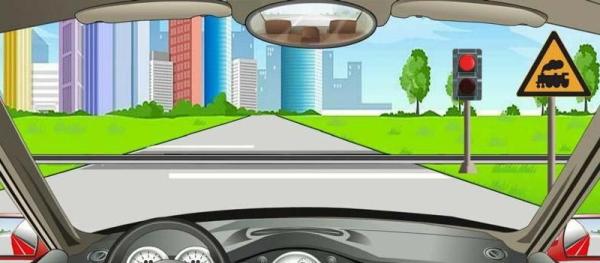
A. Right
B. Wrong
Answer: B
8. When changing lanes on an expressway, the driver should turn on the turn signal in advance, observe the traffic conditions, and slowly turn the steering wheel and enter the new lane after making sure it is safe to do so.
A. Right
B. Wrong
Answer: A
9. When a vehicle reaches a muddy or burst-and-muddy section, the driver should stop,observe and select the level and solid section or the section with vehicle tracks.
A. Right
B. Wrong
Answer: A
10. When ignition switch is in the START position, the starter starts.
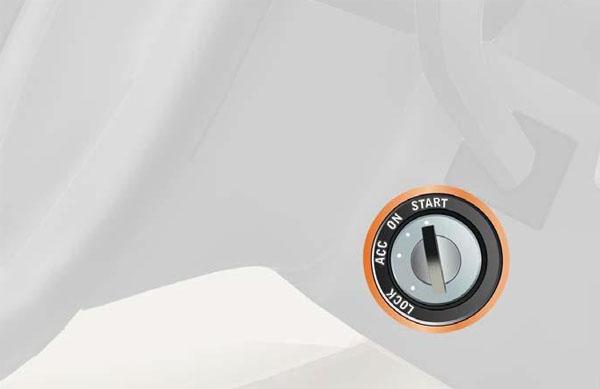
A. Right
B. Wrong
Answer: A
11. Whats the meaning of the white broken line by the carriage on the right side road?
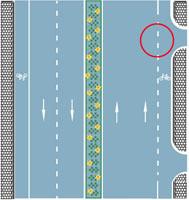
A. allowed to temporarily cross
B. prohibited from crossing
C. emergency lanes dividing line
D. crosswalk dividing line
Answer: A
12. In a vehicle that has safety belts, the driver should request the passengers to buckle up.
A. Right
B. Wrong
Answer: A
13. When driving at night, the drivers observation ability is visibly poorer and his visibility range becomes shorter than driving in the daytime.
A. Right
B. Wrong
Answer: A
14. As the road is wet and slippery after rain, brake application when driving can easily ___.
A. Cause sideways slide and traffic accident
B. Cause collision due to poor visibility
C. Be ignored by the drivers of other vehicles
D. Cause engine kill
Answer: A
15. When encountering a traffic jam on the expressway, the driver should follow the front vehicle lining up, and immediately turn on the hazard light to prevent rear-end collision.
A. Right
B. Wrong
Answer: A
16. Which part does it control when rotating this part of the switch?
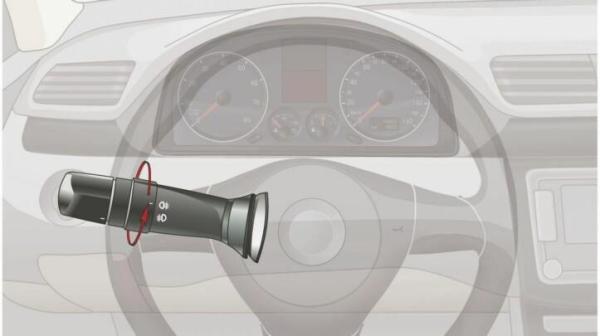
A. the low beam lights
B. the head and tail fog lights
C. high beam lights
D. turn signals
Answer: B
17. A motorized vehicle driver who drives more than 50% faster than the prescribed speed limit is subject to a 12-point penalty.
A. Right
B. Wrong
Answer: A
18. When a vehicle passes a curve on a mountain road, the driver should reduce speed, honk and stick to the right.
A. Right
B. Wrong
Answer: A
19. Whats the meaning of this sign?
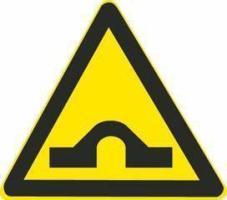
A. hump bridge
B. high outburst road
C. low-lying road
D. bump road
Answer: A
20. Which is correct when learning driving on road?
A. drive the corresponding coach car with coach sitting by to guide
B. drive the corresponding coach car alone
C. drive the corresponding coach car with other one who is not a coach sitting by to guide
D. drive the private car with coach sitting by to guide
Answer: A