

1. How should motor vehicle drivers make a U-turn at the intersection ahead?
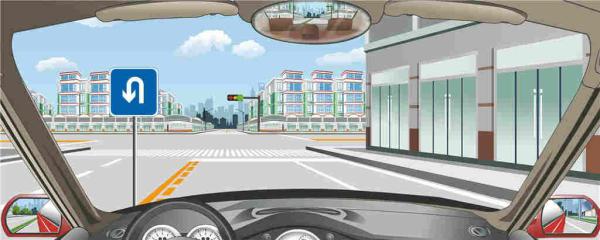
A. Make a U-turn in the waiting area for turning left
B. Make a U-turn at the broken line area of the Intersection
C. Wait until the left-turn indicator is on
D. Wait until the straight-going signal is on
Answer: B
2. This sign warns to bypass from the right side to avoid the roadblock.
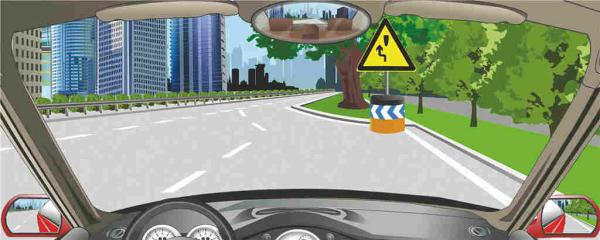
A. Right
B. Wrong
Answer: B
3. The sign on the right indicates that sounding the horn is prohibited here.
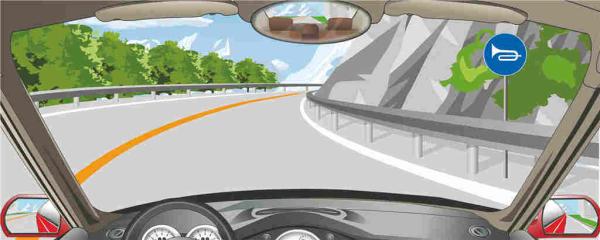
A. Right
B. Wrong
Answer: B
4. How to pass the intersection when running straight
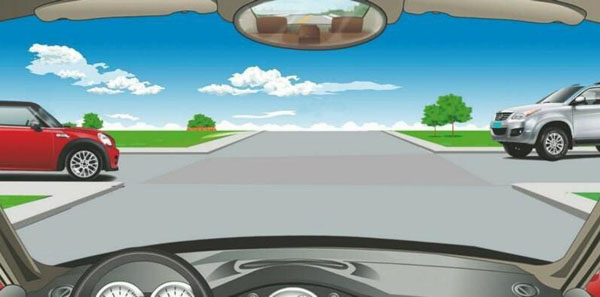
A. turn on the hazard lights and pass
B. directly speed up and pass straight
C. yield to the vehicle from the right road
D. yield to the vehicle from the left road
Answer: C
5. When extinguishing a fire, the driver should refrain from breathing through mouth or crying loudly Otherwise, the fire and smoke will scorch the upper respiratory tract.
A. Right
B. Wrong
Answer: A
6. Which one of the following is a safe way for motor vehicles to converge into an intersection marked with this sign?

A. Speeding up and driving into the traffic flow directly
B. Driving into the traffic flow behind the gray car on the main road
C. Driving into the traffic flow from the front of the red car on the main road
D. Turning on the indicator and driving into the flow directly
Answer: B
7. When a motor vehicle accidentally hits a guardrail of a highway, the driver should stabilize and adjust the steering wheel properly, and refrain from turning the steering wheel drastically.
A. Right
B. Wrong
Answer: A
8. Motor vehicles are prohibited from driving straight or turning left in this situation.
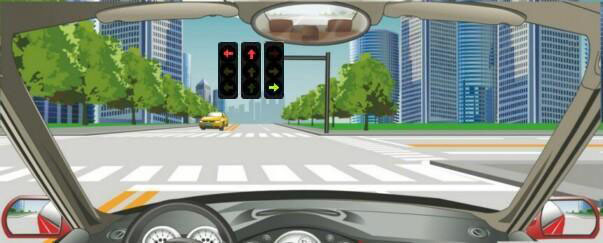
A. Right
B. Wrong
Answer: A
9. What needs attention when a motor vehicle drives on a road covered with ice and snow?
A. Braking length is extended
B. Anti-skating resistance will be greater
C. The adhesive force of the road will be greater
D. The braking length will be shorter
Answer: A
10. The sign on the right warns for children on the section ahead.
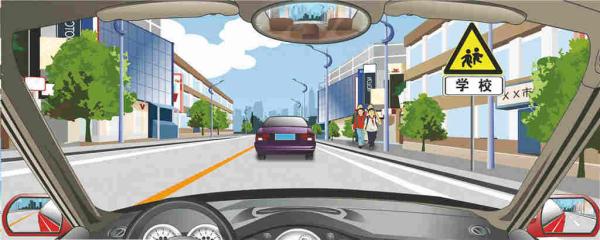
A. Right
B. Wrong
Answer: A
11. When driving in thick or extremely thick fog, what should the driver do due to the low visibility in such weather?
A. Turn on the headlamp and drive slowly
B. Turn on the fog lamp and drive slowly
C. Park in a safe place
D. Drive slowly close to the roadside
Answer: C
12. Which of the following is a bad driving habit?
A. Using lights in accordance with relevant rules
B. Carrying both vehicle and driving license
C. Discarding rubbish from the side window
D. Follow the guidance of the traffic signals
Answer: C
13. The marking on the road surface indicates that the speed limit of this road section is 80 km/hour.
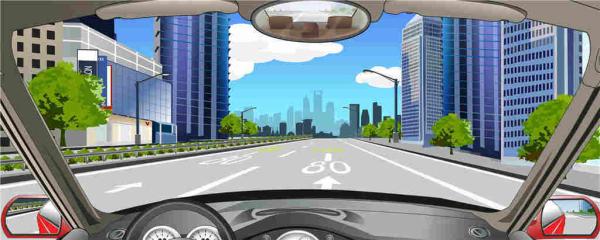
A. Right
B. Wrong
Answer: B
14. When rescuing a person sustaining full-body burns the rescue personnel may spray cool water to his body to put out the fire.
A. Right
B. Wrong
Answer: A
15. The sign in front indicates that the highway entry is on the right side of the road.
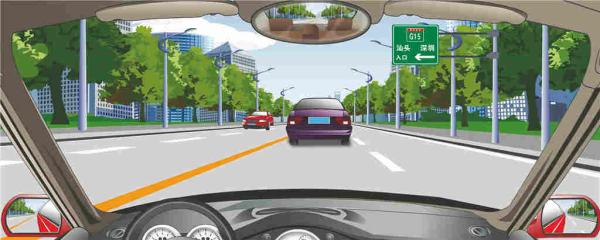
A. Right
B. Wrong
Answer: B
16. When braking, side skid or tail swing may occur if the rear wheels are blocked.
A. Right
B. Wrong
Answer: A
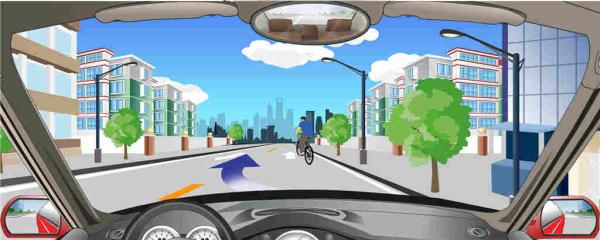
17. The broken yellow line in the center of the road indicates that overtaking by crossing the line is permitted in safe situations.
A. Right
B. Wrong
Answer: A
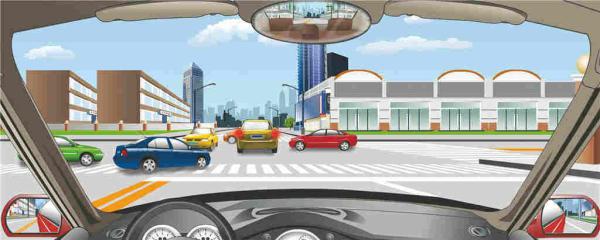
18. Under such circumstances, motor vehicle drivers should follow the vehicle in front and drive into the Intersection to wait.
A. Right
B. Wrong
Answer: B
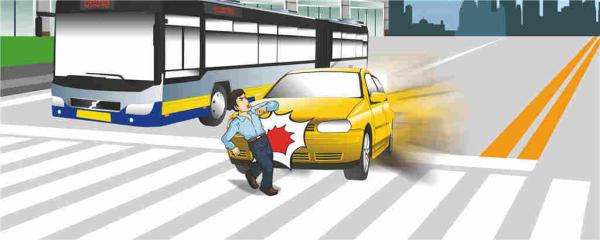
19. The main reason for this accident is that the pedestrian crossed the street in front of the motor vehicle.
A. Right
B. Wrong
Answer: B
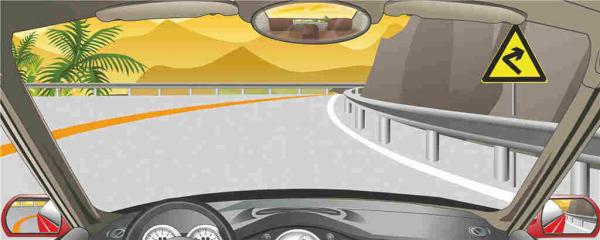
20. The sign on the right side warns of a sharp right turn ahead.
A. Right
B. Wrong
Answer: A