

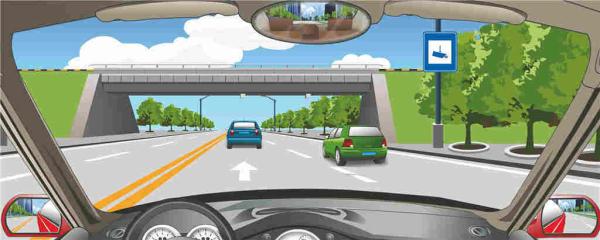
1. This sign warns that the section ahead is under traffic monitoring.
A. Right
B. Wrong
Answer: A
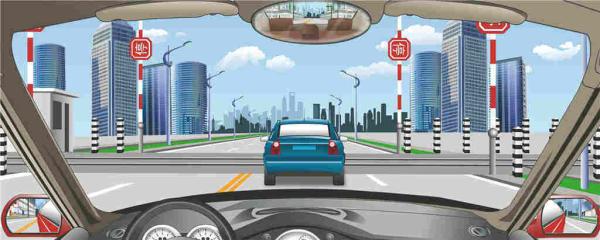
2. Under such circumstances, motor vehicles are not allowed to overtake.
A. Right
B. Wrong
Answer: A
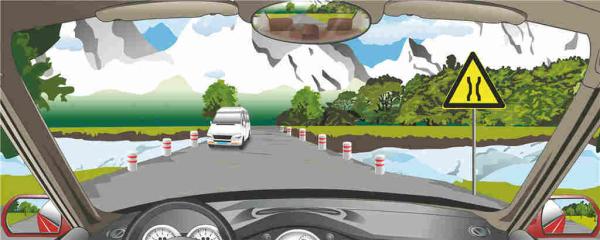
3. When encountering such a situation, the vehicles should cut speed or stop to yield as approaching each other.
A. Right
B. Wrong
Answer: A
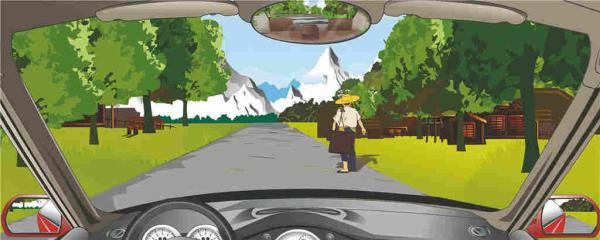
4. When encountering such pedestrians while driving, a longer safety distance should be kept by drivers.
A. Right
B. Wrong
Answer: A
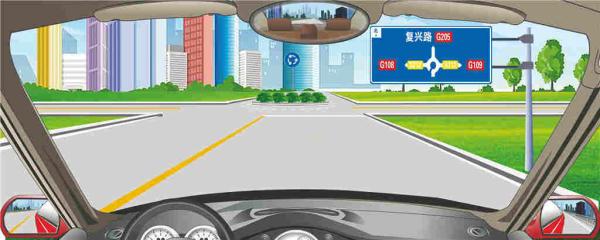
5. The sign in front gives information about the direction of road exits.
A. Right
B. Wrong
Answer: A
6. How to ensure safe driving at night?
A. Drive at speed limit
B. Cut speed and drive carefully
C. Maintain the current speed
D. Drive above the speed limit
Answer: B
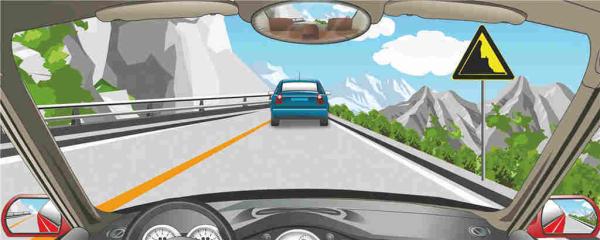
7. The sign on the right warns of a dangerous mountainside road ahead.
A. Right
B. Wrong
Answer: A
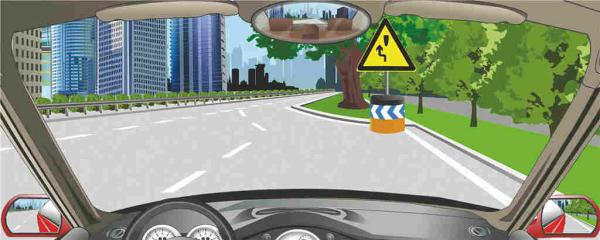
8. This sign warns to bypass from the right side to avoid the roadblock.
A. Right
B. Wrong
Answer: B
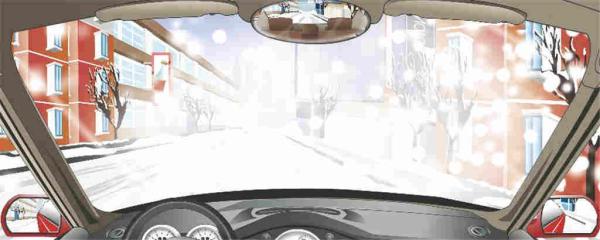
9. In the condition of low visibility, drivers should turn on the low-beam when setting off
A. Right
B. Wrong
Answer: A
10. The sign on the right side indicates that turning left is not permitted at the intersection ahead.
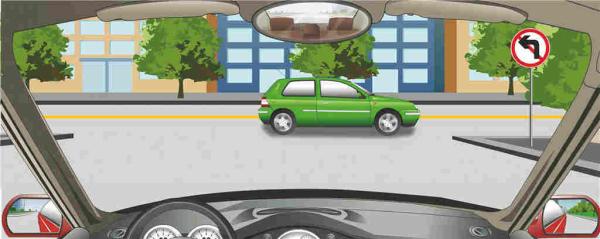
A. Right
B. Wrong
Answer: A
11. Under such circumstances, motor vehicle drivers should follow the vehicle in front and drive into the Intersection to wait.
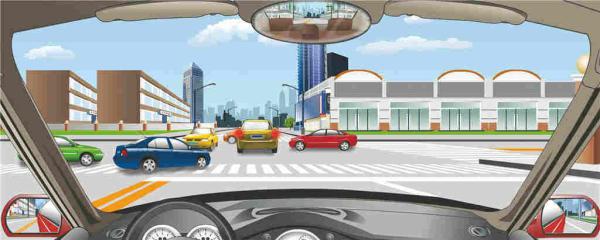
A. Right
B. Wrong
Answer: B
12. The right-front sign indicates a time-regulated pedestrian area.
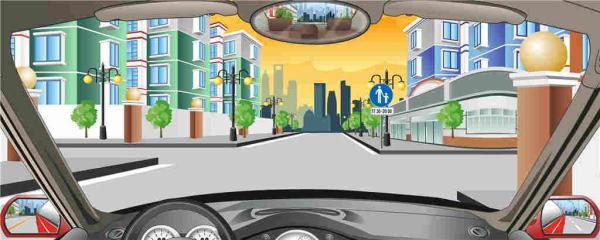
A. Right
B. Wrong
Answer: A
13. How will the adhesive force of road change when speed increases on a damp and slippery road?
A. Increase sharply
B. Increase gradually
C. decrease sharply
D. No change
Answer: C
14. The motor vehicle should slow down and pass slowly in this situation.
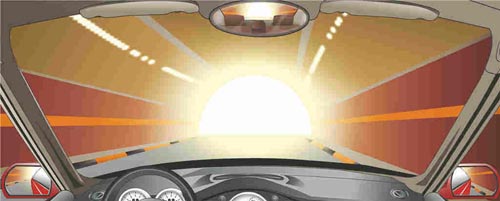
A. Right
B. Wrong
Answer: A
15. When seeing this sign, the driver should slow down promptly.
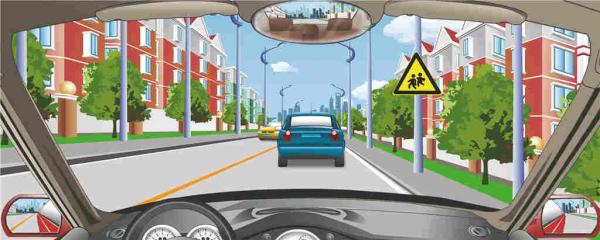
A. Right
B. Wrong
Answer: A
16. Motor vehicle drivers may make a U-turn in this area as long as it will not affect the passing of pedestrians.
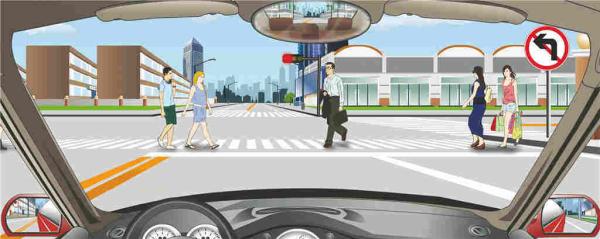
A. Right
B. Wrong
Answer: B
17. When parking for a long time on a downward slope due to breakdown on the road, drivers should use this method to stop up wheels.
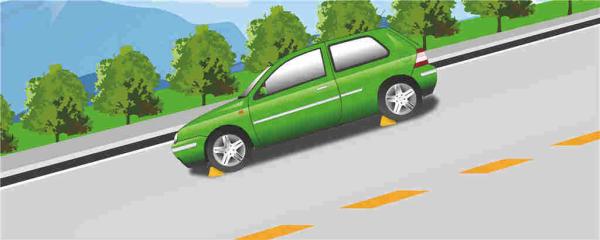
A. Right
B. Wrong
Answer: A
18. When approaching another vehicle at night, why should the driver alternate between high-and-low-beam at a distance more than 150 meters?
A. Warn each other before passing
B. Driving habit
C. Easy to observe the situation ahead from either side
D. Courtesy
Answer: C
19. Under such circumstances, what should be done by the motor vehicle driver?
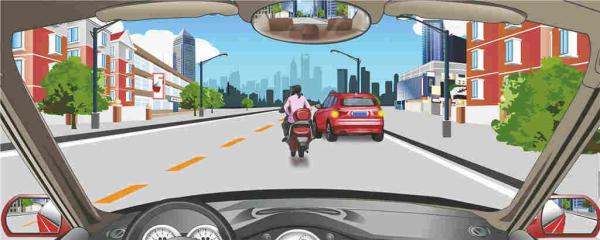
A. Reducing speed to give the right of way to the non-motor vehicle
B. Continuously sounding the horn to warn the vehicle in front to yield
C. Bypassing on the left of the non-motor vehicle
D. Accelerating to overtake by occupying the opposite lane
Answer: A
20. Drivers may turn left when traffic police give these hand signals.
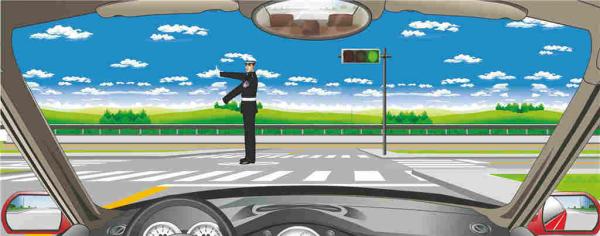
A. Right
B. Wrong
Answer: A