

1. When driving in a residential area, the driver should not exceed the speed indicated by the speed limit sign.
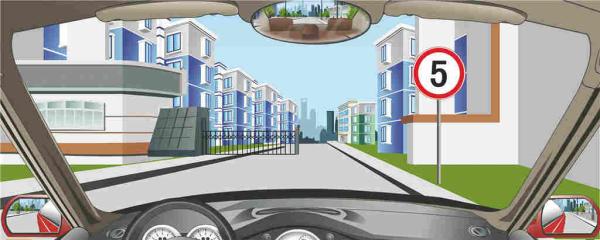
A. Right
B. Wrong
Answer: A
2. If a fast moving vehicle has a steering failure, using emergency braking can easily cause an overturn.
A. Right
B. Wrong
Answer: A
3. Which of the following is an inflammable solid material?
A. Matches
B. Gun powder
C. Calcium carbide
D. Explosives
Answer: A
4. The sign in front indicates that vehicles except large passenger vehicles are not allowed to drive on the right lane.
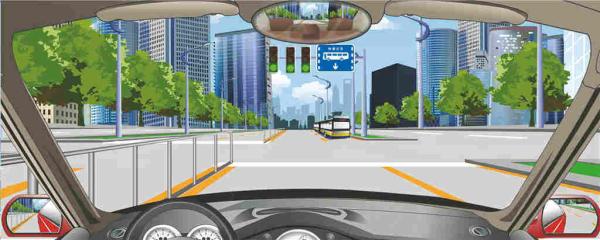
A. Right
B. Wrong
Answer: B
5. This sign warns that the section ahead is under traffic monitoring.
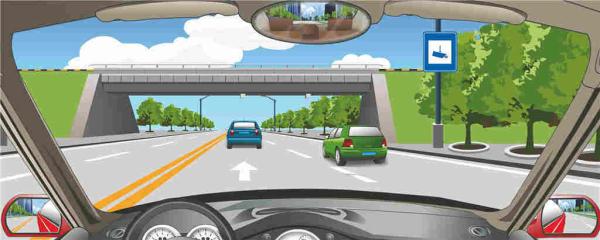
A. Right
B. Wrong
Answer: A
6. Which of the following is a bad driving habit when the vehicle in front is moving slowly in a queue?
A. Cutting in and rushing to pass
B. Not overtaking other vehicles forcefully
C. Stop or pass alternatively
D. Do not occupy on a non-motor vehicle lane
Answer: A
7. Under such circumstances, what should be done by motor vehicle drivers in order to yield to the pedestrians politely?
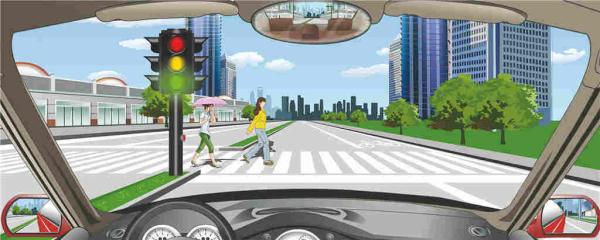
A. Set off after pedestrians pass
B. Set off and bypass in front of the pedestrians
C. Sound the horn to warn the pedestrians to yield
D. Set off and approach the pedestrians slowly
Answer: A
8. What should the driver do when the motor vehicle passes the level crossing?
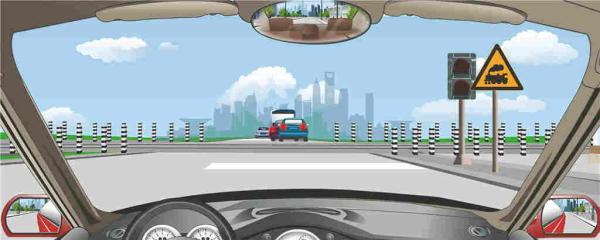
A. Change to neutral gear and slide over
B. Stop, look and pass
C. Speed up, look and pass rapidly
D. Slow down, look and pass slowly
Answer: B
9. When driving in rain and encountering pedestrians with umbrellas or wearing raincoats, what should be done by motor vehicle drivers in order to yield?
A. Drive at a normal speed
B. Sound the horn to alert when approaching the pedestrians
C. Speed up and bypass on the left
D. Reduce speed and sound the horn in advance
Answer: D
10. When encountering a situation like changing to a left lane, motor vehicle drivers should yield.

A. Right
B. Wrong
Answer: A
11. Which is the correct way to use a fire extinguisher?
A. Stand on the leeward side
B. Direct the fire extinguisher at the source of fire
C. Try to approach the source of fire as close as possible
D. Direct the fire extinguisher at the flames
Answer: B
12. Matches, sulfur and red phosphorus belong to which of the following dangerous chemicals?
A. Explosives
B. Oxidizing materials
C. Self-igniting articles
D. Inflammable solid materials
Answer: D
13. When there is no bandage for rescuing a wounded person, towels, handkerchiefs, bed sheets and stockings can all be used for dressing.
A. Right
B. Wrong
Answer: A
14. When a motor vehicle passes over an inundated road, what should the driver do for safe driving?
A. Slow down and drive with special care
B. Speed up and pass rapidly
C. Maintain a normal speed and pass through
D. Change to a low gear and speed up to pass
Answer: A
15. When extinguishing a fire, the driver should refrain from breathing through mouth or crying loudly Otherwise, the fire and smoke will scorch the upper respiratory tract.
A. Right
B. Wrong
Answer: A
16. What should be done when drivers evade an emergency on the highway?
A. Take braking measures to reduce speed
B. Yield by turning to the left side
C. Evade by swiftly turning the steering wheel
D. Yield by turning to the right side
Answer: A
17. When there is a sudden braking failure on a downhill road, in which ones of the following ways can drivers reduce speed?
A. Driving onto the emergency lane and reduce speed and stop there
B. Rubbing the vehicle body against the rocks or trees on roadside
C. Pulling up the handbrake first
D. Immediately changing to a low gear
Answer: ABD
18. As shown in the flash, the actions of the driver are correct.
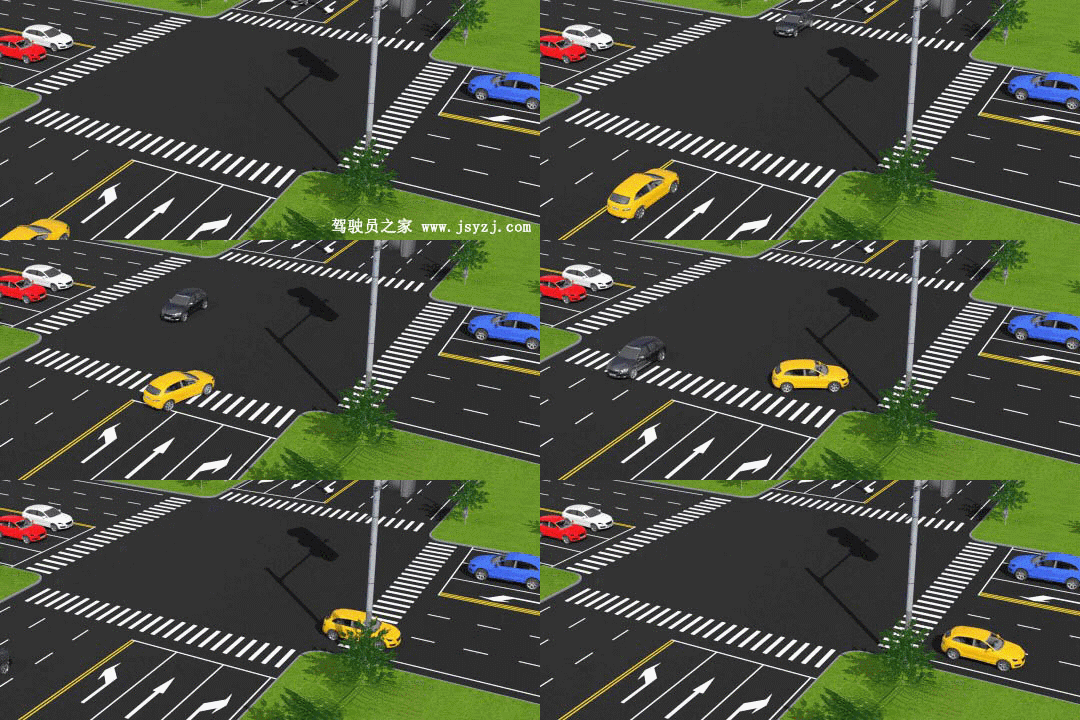
A. Right
B. Wrong
Answer: B
19. When there is no bandage for rescuing a wounded person, which of the following measures is wrong?
A. Dress the wounds with a handkerchief
B. Dress the wounds with a towel
C. Dress the wounds with cotton clothes
D. Dress the wounds with string
Answer: D
20. When driving on a snowy day, drivers should follow the tracks on the road before them.
A. Right
B. Wrong
Answer: A