

1. What should motor vehicle drivers do when parking temporarily on a rainy day?
A. Turn on hazard lamp
B. Turn on front and back fog lamp
C. Turn on low-beam
D. Set up warning sign at the back of the vehicle
Answer: A
2. When driving on this dangerous mountainside road motor vehicle drivers should drive along the left side of the road.
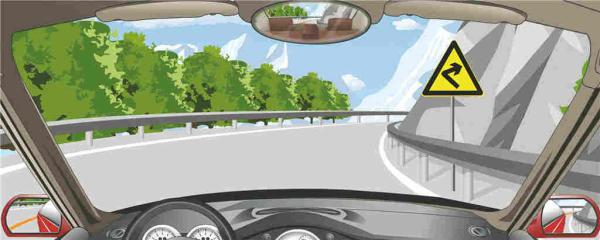
A. Right
B. Wrong
Answer: B
3. Mr. Yang drove an adapted minibus (capacity 9 people and carrying 64 passengers, including 62 kindergarten pupils). When driving in Ma Caogou Village of Yu Linzi County, the bus used the lane for oncoming traffic and had a head-on colision with a heavy dump truck. As a result of this accident, 22 people were killed and 44 injured. What are the main illegal acts in this case?
A. The truck exceeded the speed limit
B. Illegal adaptation of a motor vehicle
C. The minibus carried more passengers than capacity
D. Driving in the opposite direction lane
Answer: BCD
4. It is safest for a motor vehicle driver to overtake the vehicle in front from its righthand on this kind of road.
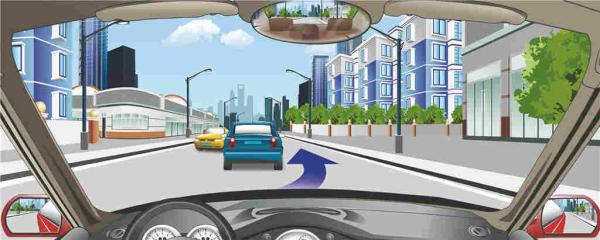
A. Right
B. Wrong
Answer: B
5. When braking failure happens to a fast-moving motor vehicle, what should be done by the driver to brake?
A. Continuously depressing the brake pedal
B. Immediately changing to a low gear to reduce speed and using the handbrake
C. Swiftly depressing the clutch pedal
D. Swiftly pulling up the handbrake
Answer: B
6. When temporarily parking on a raining day, what kind of lamp should the driver turn on?
A. Front and back fog lamps
B. Hazard warning lamp
C. Headlamp
D. Reversing lamp
Answer: B
7. When driving on a muddy road, what should drivers do if the wheels spin and slide?
A. Cover the ground under the wheels with gravels
B. Change to a high gear and speed out
C. Cover the ground under the driving wheels with gravels
D. Violently turn the steering wheel and suddenly speed up
Answer: C
8. The sign on the right warns of traffic signals ahead.
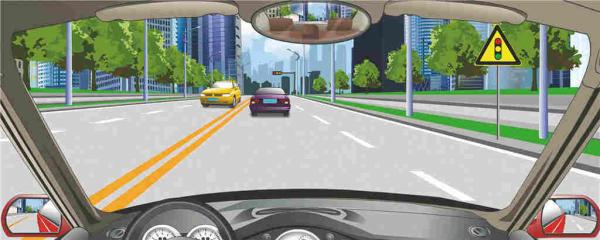
A. Right
B. Wrong
Answer: A
9. When driving on an expressway which of the following statements is correct?
A. Drivers may stop to pick up or drop off passengers in the emergency lane
B. Drives may load or unload cargo in the emergency lane
C. Drives may overtake other vehicles or stop in the deceleration or acceleration lane
D. Drives are prohibited from driving or stopping in the emergency lane in a non-emergency case
Answer: D
10. Under this circumstance, motor vehicle drivers should give the right of way to oncoming vehicle.

A. Right
B. Wrong
Answer: A
11. What needs attention when a motor vehicle drives on a road covered with ice and snow?
A. Braking length is extended
B. Anti-skating resistance will be greater
C. The adhesive force of the road will be greater
D. The braking length will be shorter
Answer: A
12. When a motor vehicle moves through water, drivers should intermittently and gently depress the brake pedal in order to restore braking efficiency.
A. Right
B. Wrong
Answer: A
13. Drivers may turn left when seeing these hand signals.
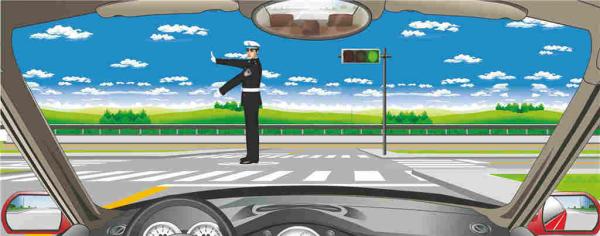
A. Right
B. Wrong
Answer: A
14. When a motor vehicle passes over an inundated road what should the driver do?
A. Stop and look at the situation
B. Make sure it is safe and pass over at a low speed
C. Intermittently and gently depress the brake pedal then wading across the water
D. Continuously but gently depress the brake pedal then wading across the water
Answer: ABC
15. The sign on the right warns of a ferry crossing 100 meters after turning right at the intersection ahead.

A. Right
B. Wrong
Answer: A
16. If a fast moving vehicle has a steering failure, using emergency braking can easily cause an overturn.
A. Right
B. Wrong
Answer: A
17. Under such circumstances, what should be done by the motor vehicle driver who has been overtaken?
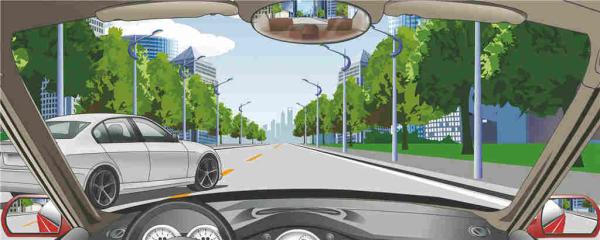
A. Sounding the horn to warn the vehicle that overtook
B. Reducing speed or pulling over by the right side
C. Protesting by turning on the high-beam
D. Catching up with and overtaking the vehicle that overtook, and offering admonitions
Answer: B
18. When the windscreen of a motor vehicle on the highway is cracked by flying rocks or debris which makes visibility poor, the driver should reduce speed gradually, turn on the hazard warning lamps, drive to a place where it will not obstruct the traffic flow and stop there.
A. Right
B. Wrong
Answer: A
19. It is an illegal act for the driver to make calls while driving.
A. Right
B. Wrong
Answer: A
20. Motor vehicles are prohibited from turning left in this situation.
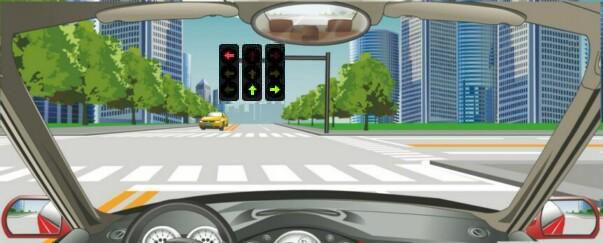
A. Right
B. Wrong
Answer: A