

1. Drivers may temporarily cross these central broken and solid yellow lines when overtaking.

A. Right
B. Wrong
Answer: A
2. A motor vehicle should not obstruct other vehicles when it enters the driving lane from an acceleration lane.
A. Right
B. Wrong
Answer: A
3. The road marker indicates that vehicles are only allowed to turn right at the intersection ahead.
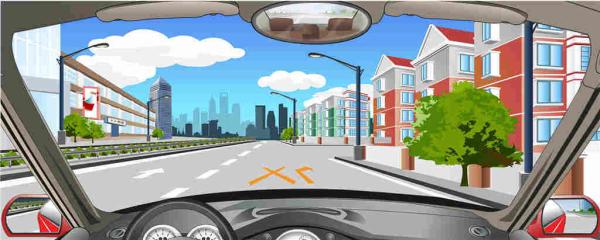
A. Right
B. Wrong
Answer: B
4. It is a bad habit for a driver to put his left arm on the window of the vehicle or hold the gear lever in his right hand for a long time.
A. Right
B. Wrong
Answer: A
5. What should a driver do when the engine stalls suddenly on the road?
A. Apply emergency braking to stop the vehicle
B. Slow down and stop the vehicle
C. Change to neutral gear and coast
D. Shut down the ignition switch
Answer: B
6. If a motor vehicle deviates from the straight direction due to steering failure, what should be done by the driver in order to reduce speed and stop the vehicle as soon as possible?
A. Gently depressing the brake pedal
B. Pulling up the handbrake
C. Immediately changing to a low gear to reduce speed
D. Decisively and continuously depressing and releasing the brake pedal
Answer: D
7. A motor vehicle may stop and yield if it encounters any problem when changing to the driving lane from an acceleration lane.
A. Right
B. Wrong
Answer: B
8. It is not a bad habit for a driver to frequently change lanes.
A. Right
B. Wrong
Answer: B
9. Under the circumstances shown in the flash, what should the driver do?
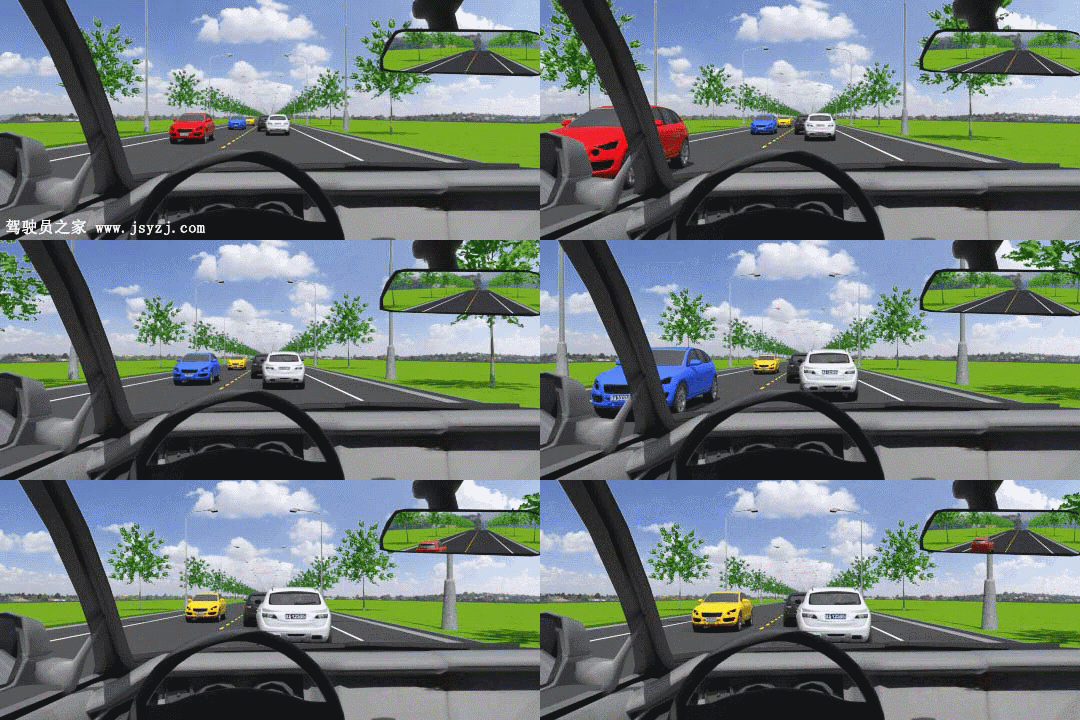
A. Find a chance to overtake the vehicle in front
B. Weave through motor vehicles ahead and pass
C. Reduce speed, stop, and wait in line
D. Sound the horn to urge vehicles in front
Answer: C
10. Having driven his truck at 90km/hour on an urban road without road lamps, Mr. Zhou is passing a narrow road using the high-beam and cutting off the way of an oncoming passenger car that runs into the right guardrail as a consequence. Which of the following law-breaking acts did Mr. Zhou commit?
A. Speeding
B. Approaching a vehicle not in accordance with related regulations and rules
C. Fatigued driving
D. Using lamps not in accordance with related regulations and rules
Answer: ABD
11. When driving on the highway in foggy, rainy, or snowy weather with a range of visibility between 100 meters and 200 meters, what should motor vehicle drivers do?
A. Turn on the fog lamp, low-beam, clearance lamp and front and rear position lamp
B. Drive at a speed of no more than 60 km/hour
C. Keep a breaking distance of more than 100 meters from the vehicle in front in the same lane
D. Leave the highway from the nearest exit as soon as possible
Answer: ABC
12. In order to keep safe when driving on the highway, which ones of the following statements are prohibited acts?
A. Reversing, moving against regulations, making a U-turn by crossing the central divider, or stopping in the lane.
B. Riding or rolling on the lane-dividing line or driving on the shoulder
C. Overtaking on ramps, accelerations lanes, or deceleration lanes.
D. Testing vehicles or learning to drive a vehicle
Answer: ABCD
13. Drivers may temporarily cross these central solid double yellow lines when overtaking.
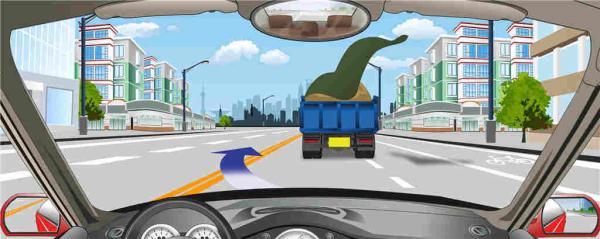
A. Right
B. Wrong
Answer: B
14. When driving in a strong wind, drivers should abruptly turn the steering wheel to return to the original direction if they feel the vehicle deviates horizontally due to a strong gale.
A. Right
B. Wrong
Answer: B
15. As shown in this picture, the vehicles intending to turn left are allowed to drive into the left-turn waiting area directly to wait for the green light.
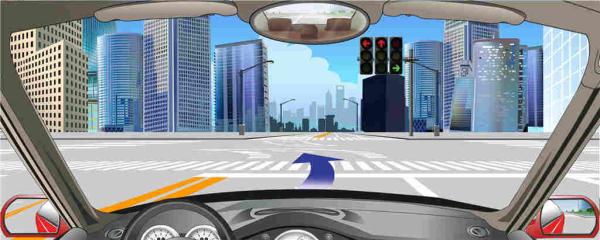
A. Right
B. Wrong
Answer: B
16. How many kinds of law-breaking acts are displayed in flash 7?
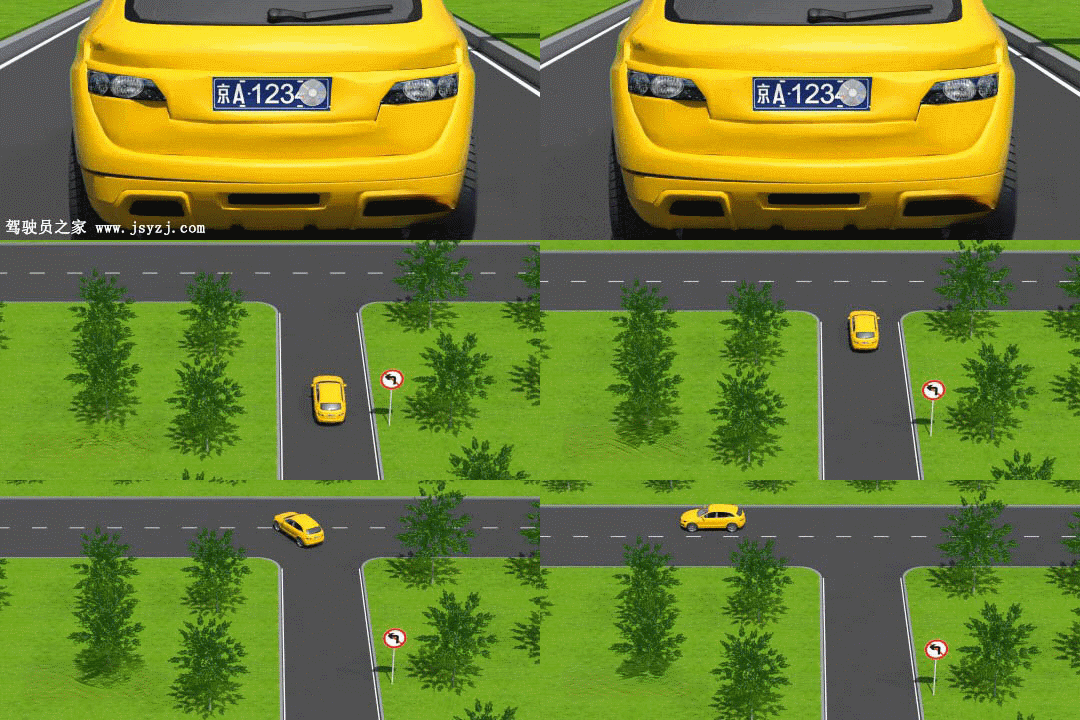
A. One
B. Two
C. Three
D. Four
Answer: B
17. The guide arrow on the road surface of this lane indicates that only left turns are permitted at the intersection ahead.
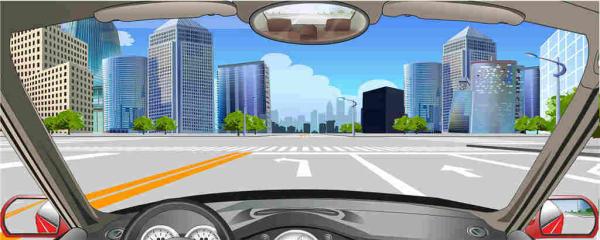
A. Right
B. Wrong
Answer: A
18. Dangerous chemicals possess the characteristics of explosion, inflammation, poison, erosion and radiation.
A. Right
B. Wrong
Answer: A
19. What should the driver do when he sees this sign on the road?
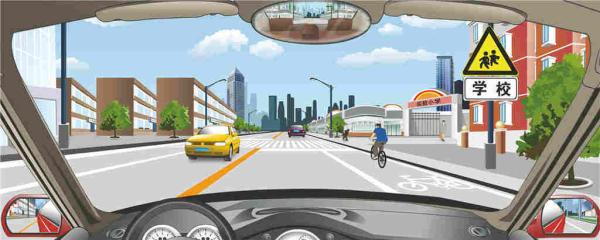
A. Use emergency braking
B. Slow down and take a look
C. Sound the horn intermittently
D. Prepare to bypass
Answer: B
20. In which of the following ways can motor vehicles avoid a tire burst?
A. Lowering tire pressure
B. Checking tires regularly
C. Removing foreign matters from the tire tread grooves timely
D. Replacing the tires that have cracks or deep cuts
Answer: BCD