

1. What should the driver do if the back wheel slides to the right on a muddy road?
A. Continuously speed up
B. Turn right
C. Turn left
D. Apply emergency brake
Answer: B
2. Which one of the following is the safest way when driving a motor vehicle on this road?
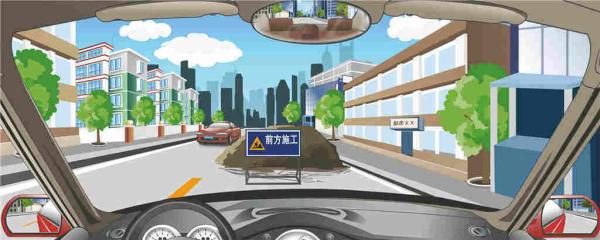
A. Speed up and bypass the obstacle
B. Take the opposite lane and compel the other vehicle to yield
C. Stop and yield to the oncoming vehicle
D. Sound the horn or turn on the headlamp
Answer: C
3. Drivers may turn left when traffic police give these hand signals.
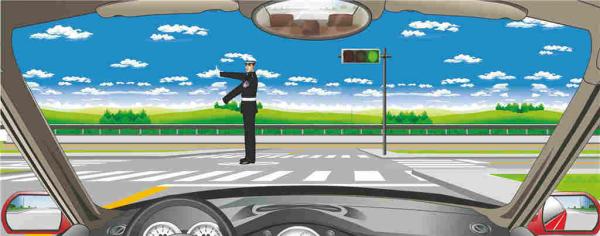
A. Right
B. Wrong
Answer: A
4. When driving on an expressway, which of the following statements is not correct?
A. Drivers are not allowed to drive by riding or rolling on the lane dividing line
B. Drivers are prohibited from driving on road shoulders
C. Drivers may overtake on the ramp, the acceleration lane or the deceleration lane
D. Drivers are prohibited from learning to drive
Answer: C
5. What action is important on this kind of mountain road?
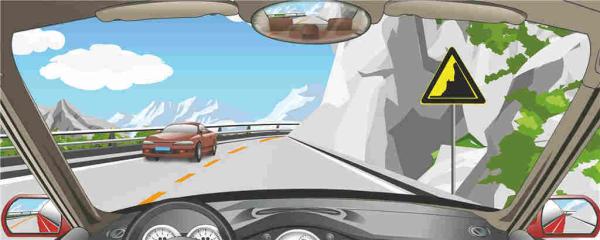
A. Take care of the dangerous hillside road on the left
B. Drive on the left
C. Drive along the central line of the road
D. Drive on the right side and pass slowly
Answer: D
6. What should the driver do if he encounters pedestrians in this situation at an intersection?
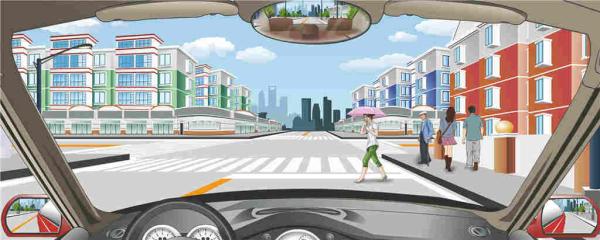
A. Slow down promptly and stop to yield
B. Sound the horn to warn the pedestrians to yield
C. Speed up and pass in front of the pedestrians
D. Turn on the headlamps to warn the pedestrians to yield
Answer: A
7. If a motor vehicle has an accident on a foggy day and stops on an expressway, which of the following acts is dangerous?
A. Leaving the motor vehicle as soon as possible
B. Standing outside the guardrail as much as possible
C. Turning on the hazard lamp and fog lamp
D. Placing a warning sign behind the vehicle in the oncoming direction
Answer: D
8. Mr. Zhou drove a light van (with 22 passengers) on the Bingcha Highway. At the spot of 79 kilometers mark by 150 meters of the highway, the van fell into the valley on one side, killing 12 people and injuring 10. What is the main illegal act committed by Mr. Zhou?
A. Driving a motor vehicle having failed to accept inspection in time
B. Carrying passengers on a freight motor vehicle
C. Speeding
D. Fatigued driving
Answer: B
9. The guide line of a changeable lane indicates that drivers can choose their direction at will.
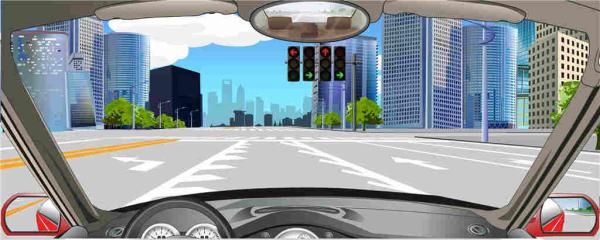
A. Right
B. Wrong
Answer: B
10. Which of the following method is correct to rescue an unconscious person?
A. Apply cardio-pulmonaryresuscitation immediately
B. Press the philtrum of the wounded person with force
C. Continuously slap the face of the wounded person
D. Check the breath of the wounded person before other emergency treatments
Answer: D
11. When there is a sudden braking failure on a downhill road, in which ones of the following ways can drivers reduce speed?
A. Driving onto the emergency lane and reduce speed and stop there
B. Rubbing the vehicle body against the rocks or trees on roadside
C. Pulling up the handbrake first
D. Immediately changing to a low gear
Answer: ABD
12. The sign on the right indicates to stop and yield at the intersection ahead.
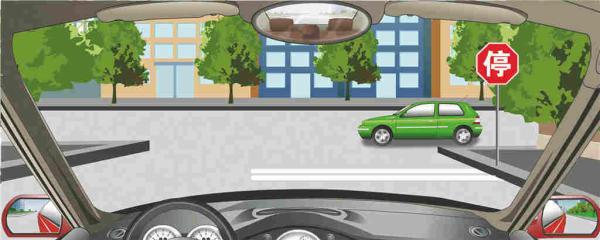
A. Right
B. Wrong
Answer: A
13. When a head-on collision with another vehicle is unavoidable, what should the driver do?
A. Change head-on collision to side collision
B. Immediately turn the steering wheel to the right side to evade
C. Immediately apply emergency braking
D. Immediately turn the steering wheel to the left side to evade
Answer: C
14. As shown in the flash, what should the motor vehicle driver do when encountering this situation?
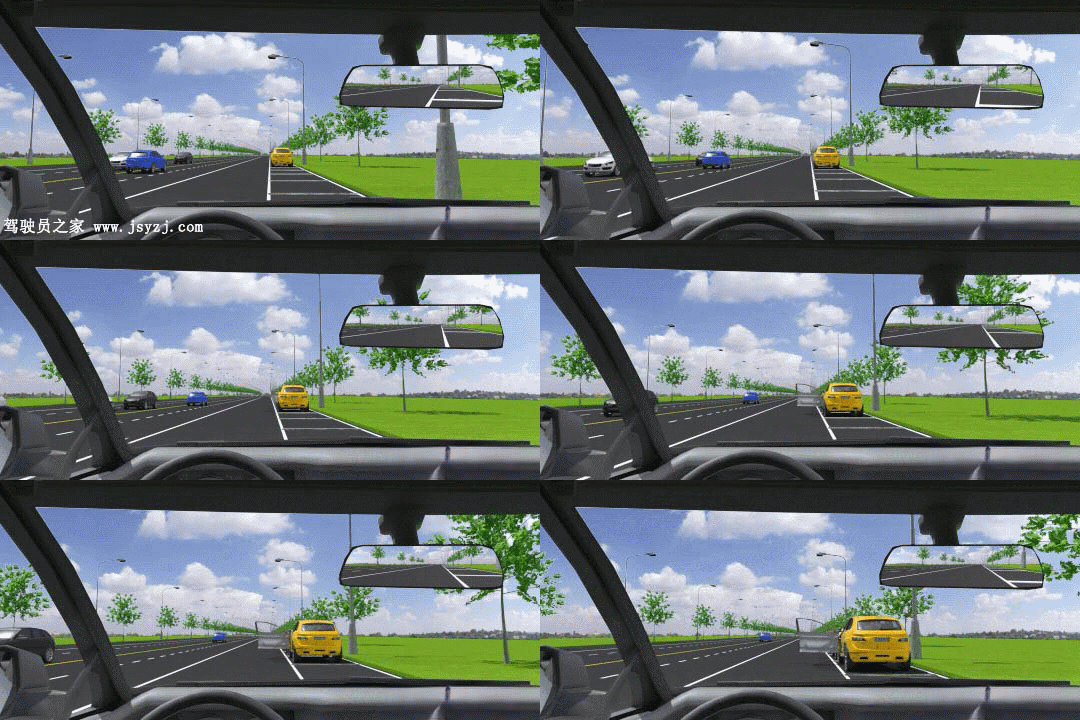
A. Reserve a safe crosswise distance and cut speed
B. Keep a normal speed
C. Use the emergency brake when approaching
D. Speed up and pass rapidly
Answer: A
15. Under such circumstances, motor vehicle drivers may sound the horn at the proper time and speed up to pass through.
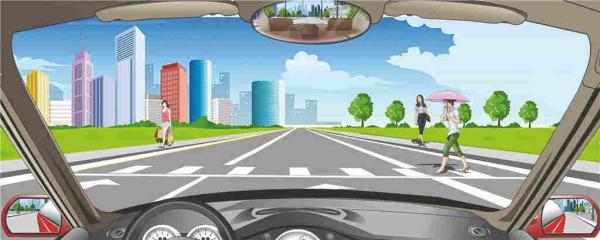
A. Right
B. Wrong
Answer: B
16. The yellow broken line on the curb indicates that vehicles are not allowed to stop and let passengers embark or disembark or load and unload freight at the roadside.
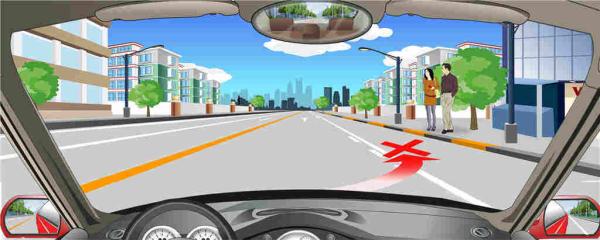
A. Right
B. Wrong
Answer: B
17. When encountering such pedestrians, what should motor vehicle drivers do?
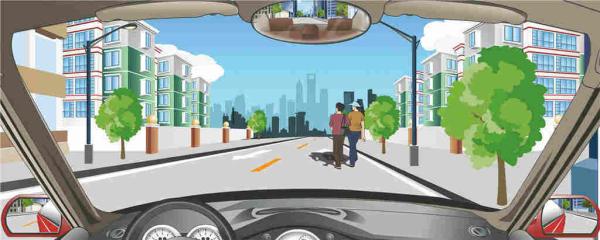
A. Go ahead along the middle line of the road
B. Continuously sound the horn
C. Speed up and overtake
D. Pay attention to the actions of such pedestrians
Answer: D
18. As shown in the flash, the actions of the driver are correct.
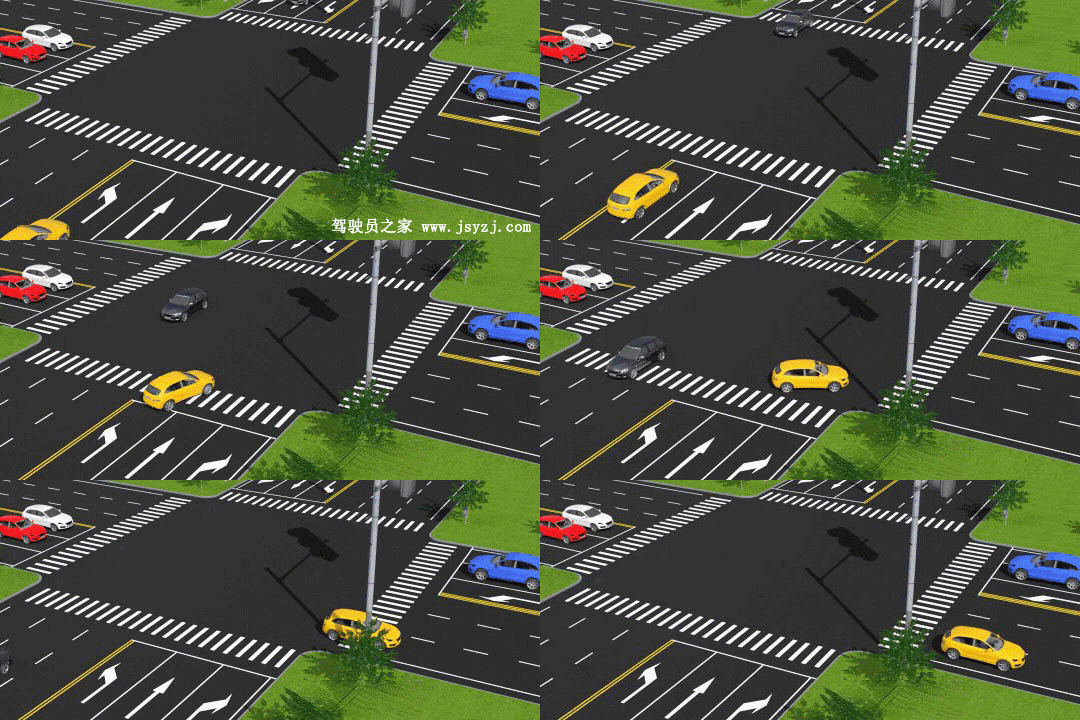
A. Right
B. Wrong
Answer: B
19. The right-front sign indicates a time-regulated pedestrian area.
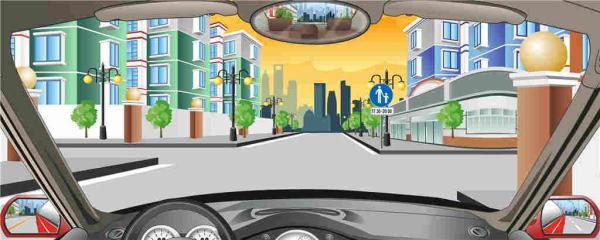
A. Right
B. Wrong
Answer: A
20. Mr. Qi drove a large bus with 28 passengers (capacity 55 people). When arriving at an intersection without any traffic signals from south to north at a speed of 50 kilometers per hour, the bus had a side collision with Mr. Li?ˉs heavy semi-trailer tractor (capacity 40 tons and carrying 55.2 tons) running from east to west. As a result of this accident, 12 people were killed and 17 injured. What are the main illegal acts in this case?
A. The bus carried more passengers than capacity
B. The bus exceeded the speed limit
C. The tractor carried more cargo than capacity
D. The driver of the tractor was inexperienced
Answer: BC