

1. A correct measure to avoid tire burst of motor vehicles is to lower the tire pressure.
A. Right
B. Wrong
Answer: B
2. When rescuing a wounded person suffering from bone fracture, which of the following should be kept in mind?
A. Immediately send him/her to the hospital on a stretcher
B. Properly change the original posture when the injured person wounded
C. Dress the fracture with a bandage
D. Do not move the fractured body-part
Answer: D
3. When a front tire bursts, after controlling the driving direction, what should be done by the driver in order to slow down and stop?
A. Immediately change to a high gear
B. Immediately change to a low gear
C. Immediately change to the neutral gear
D. Apply emergency braking
Answer: B
4. It is a bad habit for a driver to put his left arm on the window of the vehicle or hold the gear lever in his right hand for a long time.
A. Right
B. Wrong
Answer: A
5. When a motor vehicle breaks down on a mountain road, what should the driver do?
A. Park on a downhill section
B. Park on an uphill section
C. Park on a gentle section of the mountain road
D. Park on the crest of a slope
Answer: C
6. What should the driver do when the motor vehicle encounters this situation?
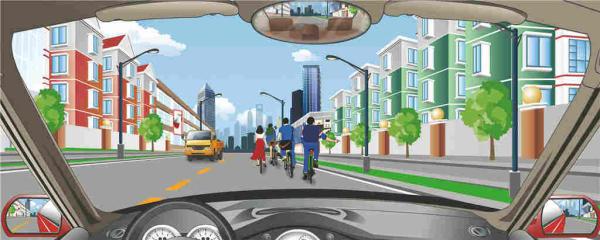
A. Overtake immediately
B. Sound the horn continuously to warn
C. Maintain safety distance and overtake
D. Sound horn and speed up to overtake
Answer: C
7. When driving on a muddy road, what should the driver do?
A. Try to avoid using the foot brake
B. Drive slowly in mid or low gear
C. Firmly hold the steering wheel
D. Speed up and pass through
Answer: ABC
8. The sign on the right warns of no passing due to collapse on the road ahead.
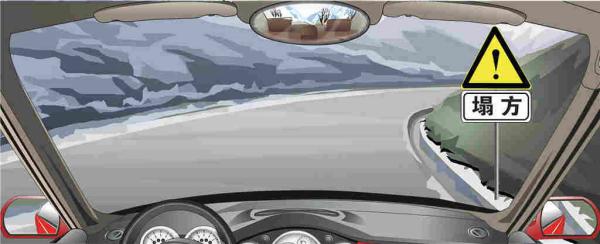
A. Right
B. Wrong
Answer: B
9. What should be done when drivers evade an emergency on the highway?
A. Take braking measures to reduce speed
B. Yield by turning to the left side
C. Evade by swiftly turning the steering wheel
D. Yield by turning to the right side
Answer: A
10. As shown in this picture, the vehicles intending to turn left are allowed to drive into the left-turn waiting area directly to wait for the green light.
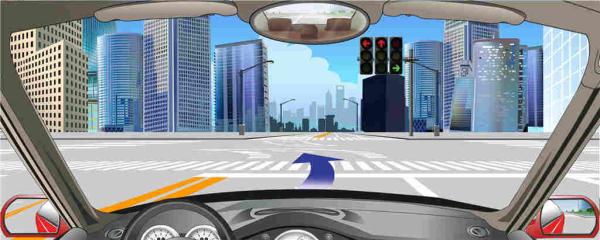
A. Right
B. Wrong
Answer: B
11. The sign on the left indicates no U-turn at the intersection ahead.

A. Right
B. Wrong
Answer: A
12. A motor vehicle should slow down and stop at this level crossing.
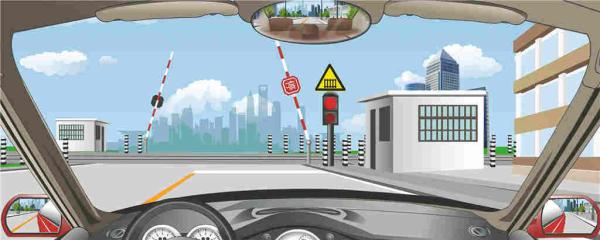
A. Right
B. Wrong
Answer: A
13. Which one of following ways is the safest when driving a motor vehicle on this road?
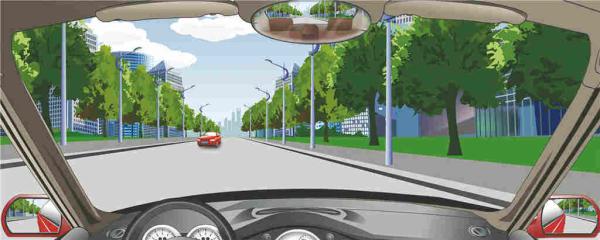
A. Driving along the central line of the road
B. Driving along the right side of the road
C. Driving at the middle of the road
D. Driving along the left side of the road
Answer: B
14. The yellow broken line on the curb indicates that vehicles are not allowed to stop and let passengers embark or disembark or load and unload freight at the roadside.
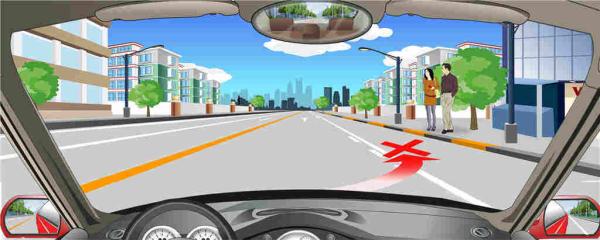
A. Right
B. Wrong
Answer: B
15. If a motor vehicle deviates from the straight direction due to steering failure, what should be done by the driver in order to reduce speed and stop the vehicle as soon as possible?
A. Gently depressing the brake pedal
B. Pulling up the handbrake
C. Immediately changing to a low gear to reduce speed
D. Decisively and continuously depressing and releasing the brake pedal
Answer: D
16. When approaching another vehicle at night, why should the driver alternate between high-and-low-beam at a distance more than 150 meters?
A. Warn each other before passing
B. Driving habit
C. Easy to observe the situation ahead from either side
D. Courtesy
Answer: C
17. Under such circumstances, the driver should stop the vehicle and yield to pedestrians.

A. Right
B. Wrong
Answer: A
18. The cross-hatched marking indicates an area where vehicle drivers are not allowed to stop.
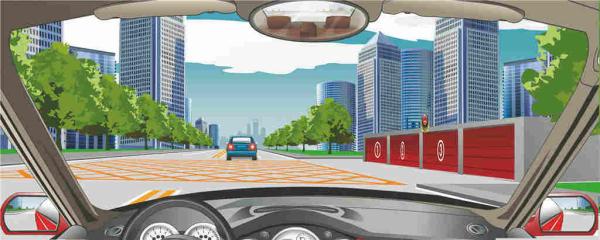
A. Right
B. Wrong
Answer: A
19. Which of the following measures should be taken first when rescuing a wounded person suffering blood loss?
A. Observe
B. Dress the wounds
C. Stop bleeding
D. Inquire
Answer: C
20. If a fast-moving motor vehicle has a steering failure, using emergency braking will not cause an overturn.
A. Right
B. Wrong
Answer: B