

1. When a motor vehicle has deviated from the straight moving direction and an accident is unavoidable, the driver should decisively and continuously depress the brake pedal so as to shorten the stopping distance and reduce the impact of vehicle collision.
A. Right
B. Wrong
Answer: A
2. When encountering this situation in a residential area, the driver should follow them closely.
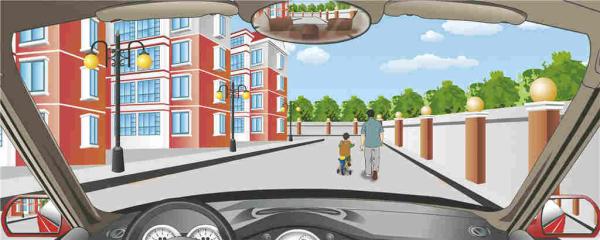
A. Right
B. Wrong
Answer: B
3. The signs on each side warn of changes in road alignment ahead.
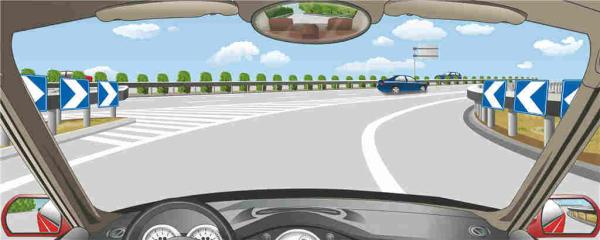
A. Right
B. Wrong
Answer: A
4. The slanted filled-in yellow marking in the middle of the road warns that there is a stationary obstacle ahead.
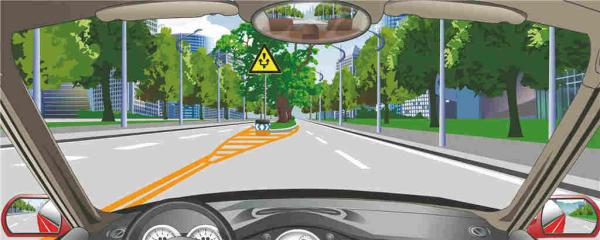
A. Right
B. Wrong
Answer: A
5. The sign in front indicates that vehicles except public buses are not allowed to drive in this lane.
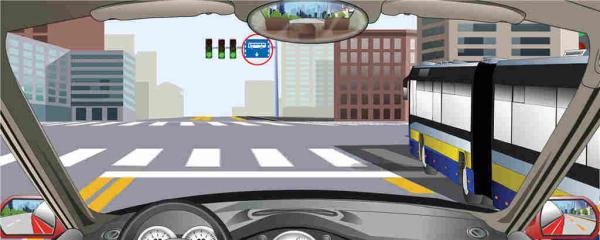
A. Right
B. Wrong
Answer: A
6. The marking on the road surface indicates that the speed limit of this road section is 50 km/hour.
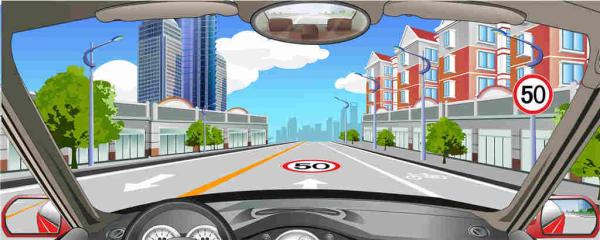
A. Right
B. Wrong
Answer: A
7. A motor vehicle should slow down and stop at this level crossing.
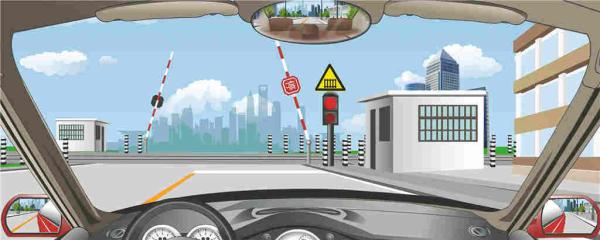
A. Right
B. Wrong
Answer: A
8. When encountering a road like this, motor vehicle drivers should downshift in advance to maintain the dynamic of the motor vehicle.

A. Right
B. Wrong
Answer: A
9. The sign on the right indicates a T-shaped intersection head.
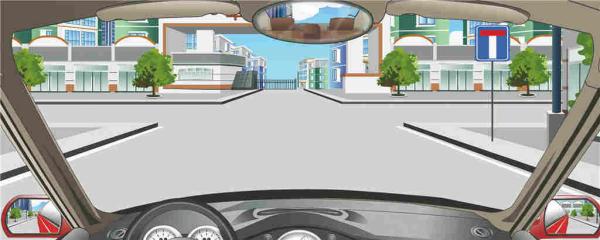
A. Right
B. Wrong
Answer: B
10. When encountering a road like this, motor vehicle drivers should downshift in advance and control speed by braking the engine.
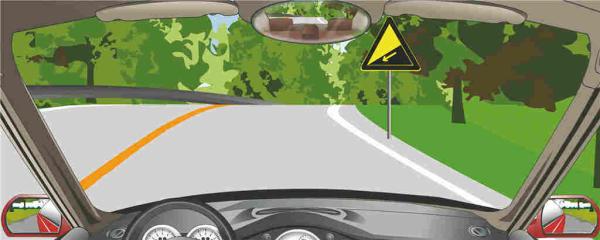
A. Right
B. Wrong
Answer: A
11. When driving in a residential area, the driver should not exceed the speed indicated by the speed limit sign.
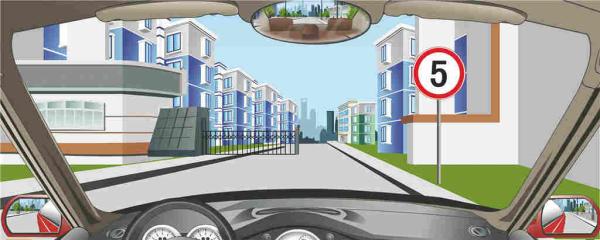
A. Right
B. Wrong
Answer: A
12. Under such circumstances, motor vehicle drivers should follow the vehicle in front and drive into the Intersection to wait.
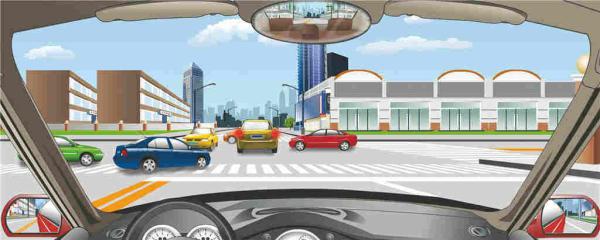
A. Right
B. Wrong
Answer: B
13. The sign on the right warns of a wildlife protection area ahead.
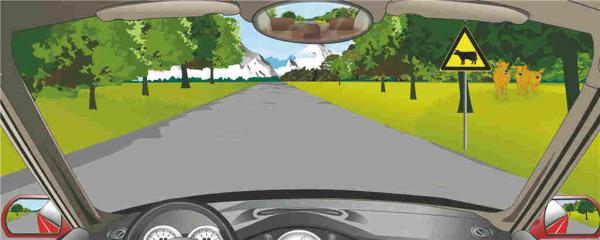
A. Right
B. Wrong
Answer: B
14. Under such circumstances, the driver should stop the vehicle and yield to pedestrians.

A. Right
B. Wrong
Answer: A
15. When there is a braking failure on a downhill road the driver should change the gear to one position or two positions lower, and control the speed by taking advantage of the braking role of the engine.
A. Right
B. Wrong
Answer: A
16. When passing this mountainous road, motor vehicle drivers should drive along the center of the road.
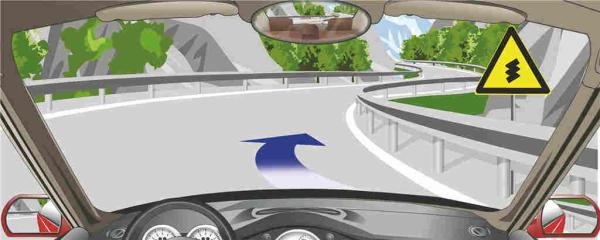
A. Right
B. Wrong
Answer: B
17. When driving in thick fog causing poor visibility on the expressway, the driver should apply emergency braking to stop at once.
A. Right
B. Wrong
Answer: B
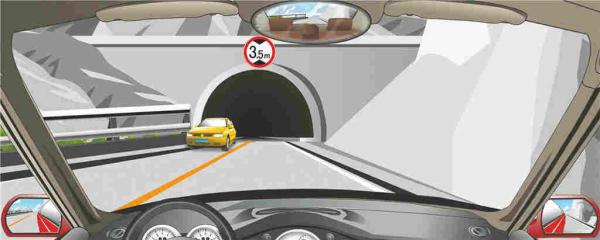
18. The sign above the tunnel indicates a height limit of 3.5 meters on the road ahead.
A. Right
B. Wrong
Answer: A
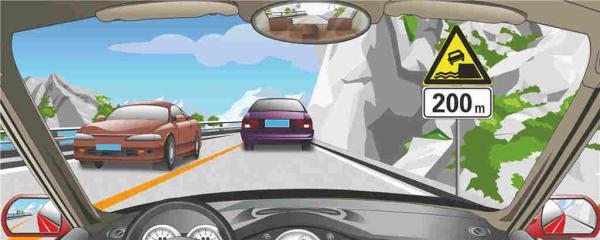
19. The sign on the right warns of an embankment road 200 meters ahead.
A. Right
B. Wrong
Answer: A
20. When a motor vehicle catches fire on the expressway the driver should drive the motor vehicle to the service area or the parking lot to extinguish the fire.
A. Right
B. Wrong
Answer: B