

1. Drivers are not allowed to drive on or across these filled-in slanted yellow lines.
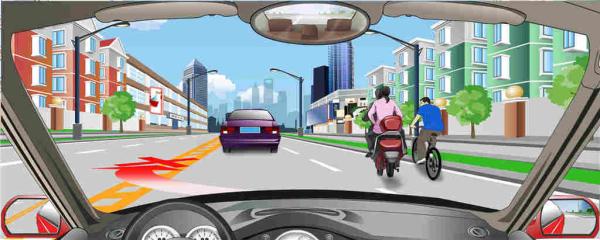
A. Right
B. Wrong
Answer: A
2. The driver may not yield when the motor vehicle encounters this situation at the intersection.
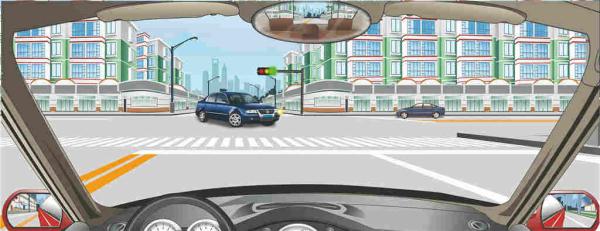
A. Right
B. Wrong
Answer: B
3. The guide arrow on the road surface of this lane indicates that only left turns are permitted at the intersection ahead.
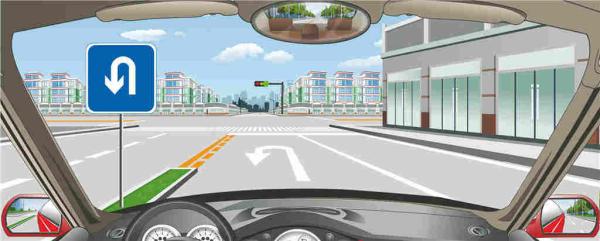
A. Right
B. Wrong
Answer: B
4. What should be done first after getting into the vehicle?
A. Observe the surrounding traffic situation
B. No need to observe the traffic situation around
C. Open the door and get in directly
D. Take note of the weather
Answer: A
5. Drivers may cross these central solid and broken yellow lines when overtaking.
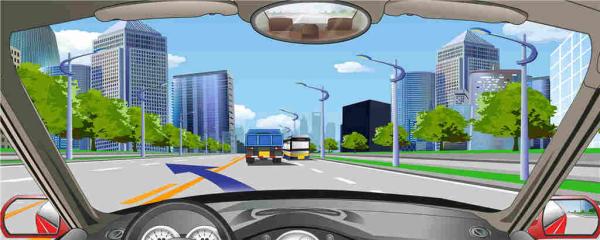
A. Right
B. Wrong
Answer: B
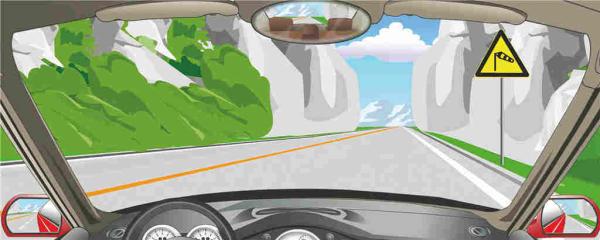
6. The sign on the right side warns of crosswind on the mountain pass ahead.
A. Right
B. Wrong
Answer: A
7. When driving on a muddy road, the driver should hold the steering wheel firmly and speed up to pass through.
A. Right
B. Wrong
Answer: B
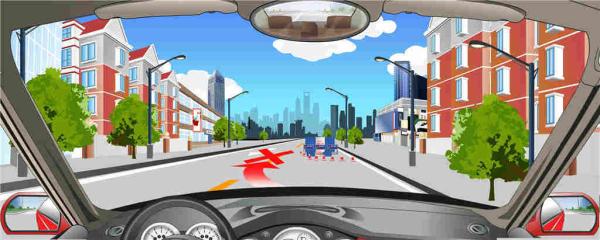
8. The broken yellow line in the center of the road indicates that bypassing by crossing the line is prohibited in any condition.
A. Right
B. Wrong
Answer: B
9. When rescuing a wounded person suffering from spinal fracture, which of the following measures should be taken?
A. Prevent heat loss
B. Rescue the wounded person with a soft stretcher
C. Keep the wounded part in position with a sling
D. Help the wounded person when walking
Answer: C
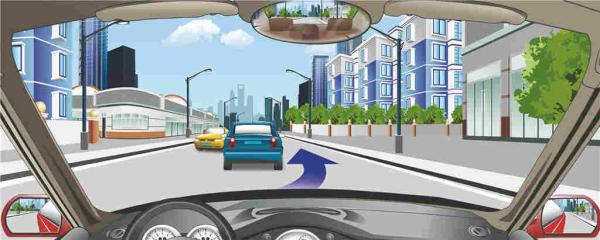
10. It is safest for a motor vehicle driver to overtake the vehicle in front from its righthand on this kind of road.
A. Right
B. Wrong
Answer: B
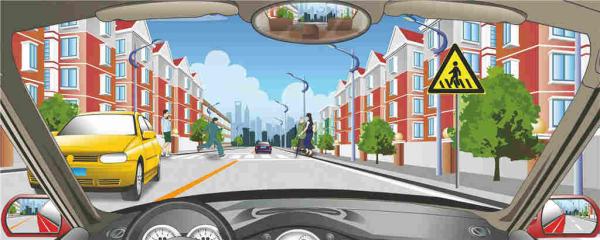
11. The sign on the right warns of children on the section ahead.
A. Right
B. Wrong
Answer: B
12. Motor vehicle drivers may reverse at an intersection.
A. Right
B. Wrong
Answer: B
13. What should the driver do when a motor vehicle encounters this situation on a mountain road?
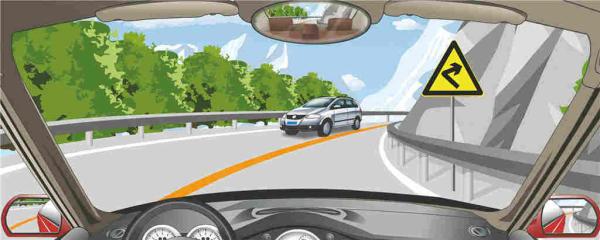
A. Stick to respective lanes and speed up to approach each other
B. Drive close to the central line of the road
C. Retain the normal speed
D. Slow down
Answer: D
14. When driving on a foggy day, the driver should turn on the fog lamp.
A. Right
B. Wrong
Answer: A
15. When there is a braking failure on a downhill road, if there is no favorable terrain or opportunity to stop the vehicle, the driver should drop gear by one position or two positions, and control the speed by taking advantage of the braking role of the engine.
A. Right
B. Wrong
Answer: A
16. The sign on the right warns to keep a safe distance on the road ahead.
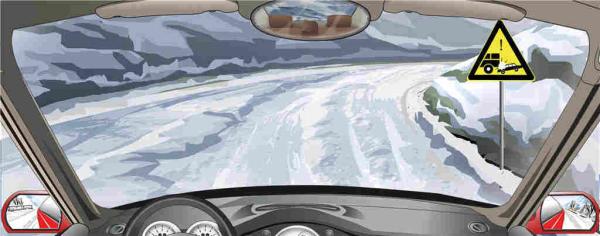
A. Right
B. Wrong
Answer: B
17. The sign on the right indicates to stop and yield at the intersection ahead.
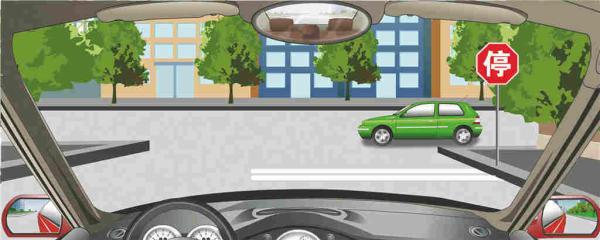
A. Right
B. Wrong
Answer: A
18. Motor vehicles are prohibited from turning left in this situation.
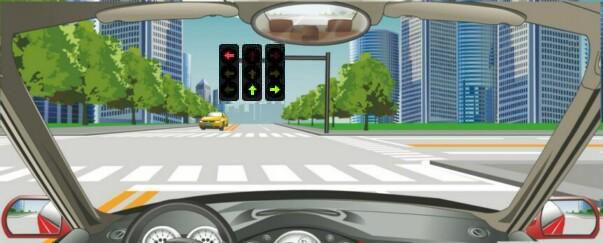
A. Right
B. Wrong
Answer: A
19. Drivers may temporarily cross these central solid double yellow lines when overtaking.
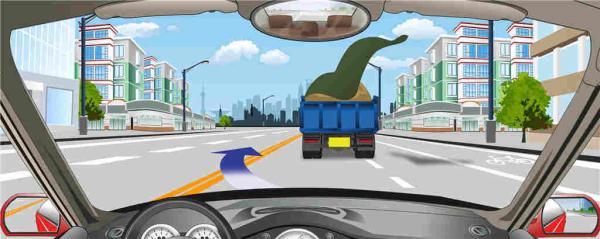
A. Right
B. Wrong
Answer: B
20. Which one of the following ways to pass this intersection is correct?
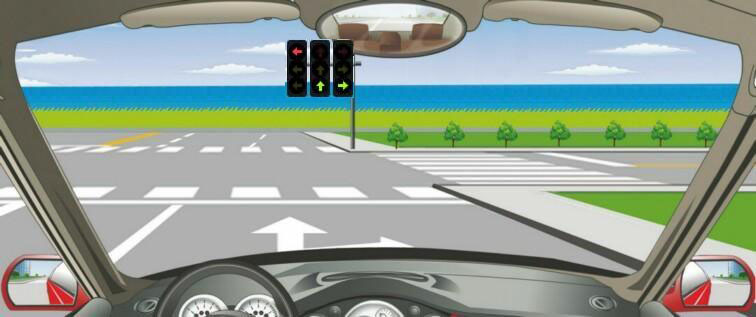
A. Turn left or right
B. Drive straight or turn left
C. Turn left
D. Drive straight or turn right
Answer: D