

1. Which one of the following is a safe way for motor vehicles to pass an intersection marked with this sign?
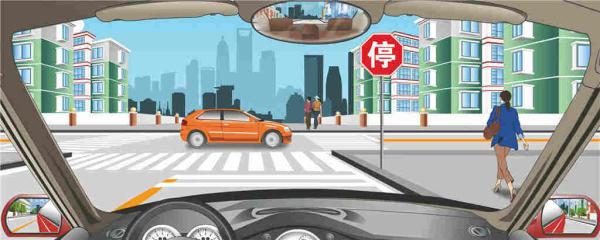
A. Stopping and observing the traffic situation around the intersection
B. Approaching the intersection by speeding up
C. Approaching the intersection at a reduced speed
D. Observing the traffic situation on the left rear side
Answer: A
2. After a motor vehicle falls into water, the driver won?ˉt be able to open the side doors or windows to escape until water nearly fills up the compartment.
A. Right
B. Wrong
Answer: A
3. Under this circumstance, motor vehicle drivers should give the right of way to oncoming vehicle.

A. Right
B. Wrong
Answer: A
4. When a fast-moving vehicle is likely to collide with the vehicle in front, what should the driver do?
A. Brake to reduce speed first, and then steer to evade
B. Turn the steering wheel quickly to the left side to evade
C. Turn the steering wheel quickly to the right side to evade
D. Steer to evade first, and then brake to reduce speed
Answer: A
5. What should the driver do in this condition?

A. Go through normally on the right side
B. Sound the horn and speed up to go through the tunnel
C. Stop and yield to the oncoming vehicle
D. Turn on the headlamp to warn the oncoming vehicle to yield
Answer: C
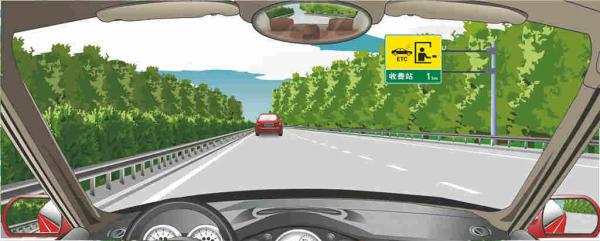
6. The sign on the right indicates a one-kilometer distance from the ETC toll station.
A. Right
B. Wrong
Answer: A
7. If a motor vehicle experiences a water sliding phenomenon when running on an expressway in rain, what should the driver do?
A. Slow down by suddenly depressing the brake pedal
B. Slow down by slowly releasing the accelerator pedal
C. Turn the steering wheel immediately to adjust the direction
D. Speed up to increase the displacement of the wheels
Answer: B
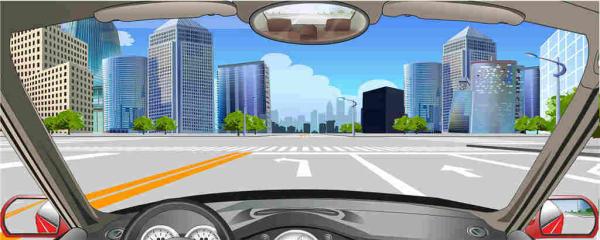
8. The guide arrow on the road surface of this lane indicates that only left turns are permitted at the intersection ahead.
A. Right
B. Wrong
Answer: A
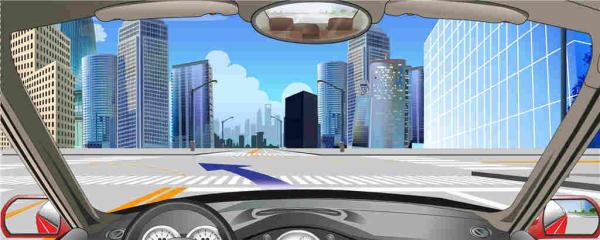
9. As shown in this picture, the intersection guide line is designed to help drivers make turns.
A. Right
B. Wrong
Answer: A
10. When the motor vehicle encounters a crosswalk in this situation, the driver may speed up and pass rapidly.
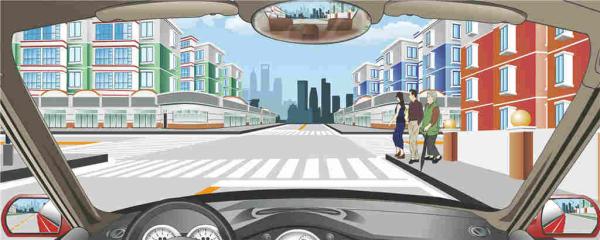
A. Right
B. Wrong
Answer: B
11. When passing a sharp curve, motor vehicle drivers may overtake if there are few other vehicles on the road.
A. Right
B. Wrong
Answer: B
12. Drivers may turn left when traffic police give these hand signals.
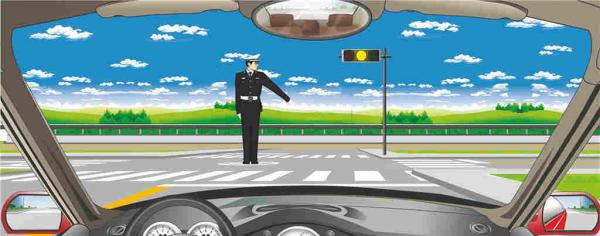
A. Right
B. Wrong
Answer: B
13. When steering failure happens to a fast moving motor vehicle, what should the driver do?
A. Apply emergency braking
B. Immediately change to a low gear
C. Reasonably use the driving brake and the stopping brake and refrain from applying emergency braking
D. Turn on the hazard lamps
Answer: BCD
14. The sign on the right indicates a one-kilometer distance from ETC toll station ahead.
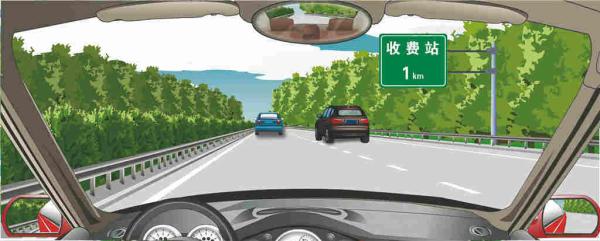
A. Right
B. Wrong
Answer: B
15. Motor vehicle drivers don?ˉt need to fasten their seatbelt
A. Right
B. Wrong
Answer: B
16. The sign on the right warns of an unguarded railway crossing 150 meters ahead.
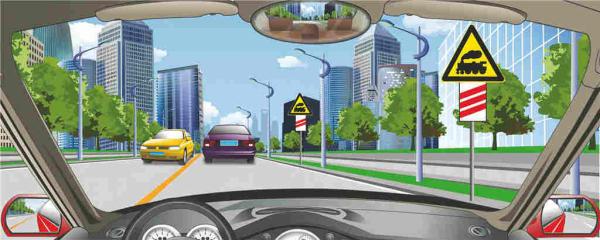
A. Right
B. Wrong
Answer: A
17. How many kinds of law-breaking acts are displayed in flash 2?
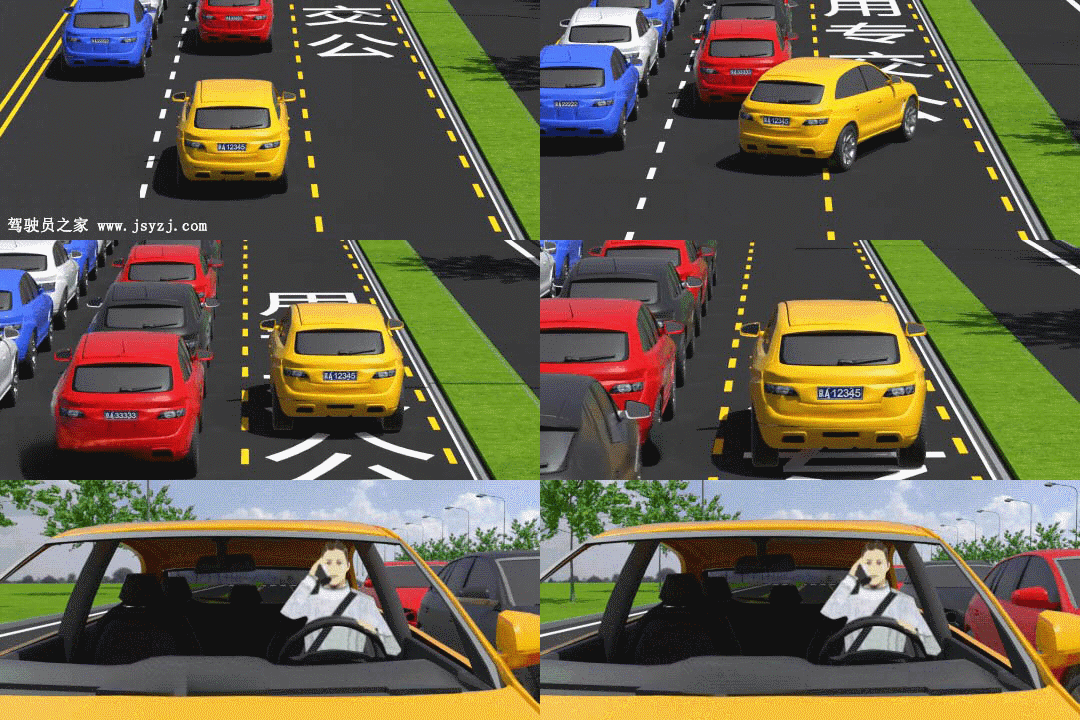
A. One
B. Two
C. Three
D. Four
Answer: B
18. Which of the following is a basic requirement for rescuing the injured at the scene of a traffic accident?
A. Treat wounds first and safe life later
B. Save life first and treat wounds later
C. Help lightly wounded persons first
D. Help seriously wounded persons later
Answer: B
19. What should a motor vehicle driver do to ensure safety when experiencing a breakdown at night?
A. Park in a safe place
B. Turn on hazard lamp
C. Turn on clearance lamp and tail lamp
D. Set up a warning sign in accordance with regulation
Answer: ABCD
20. Under such circumstances, the motor vehicle driver should voluntarily reduce speed and let the vehicle behind overtake.
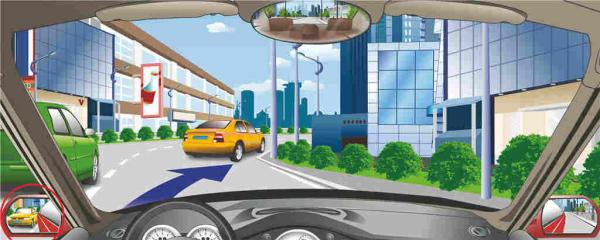
A. Right
B. Wrong
Answer: A