

1. The sign on the right warns of entering a tunnel, and requires reduced speed.
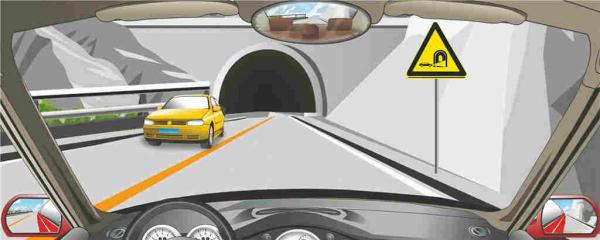
A. Right
B. Wrong
Answer: B
2. Drivers should drive at a lower speed when traffic police give these hand signals.
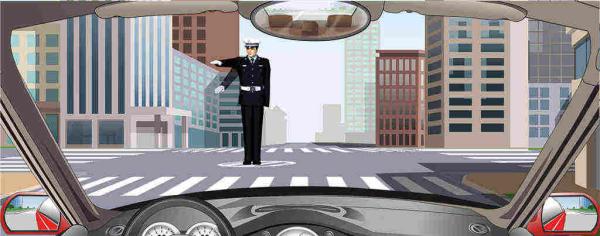
A. Right
B. Wrong
Answer: A
3. The sign in front is an advance announcement of the directions led by the interchange.
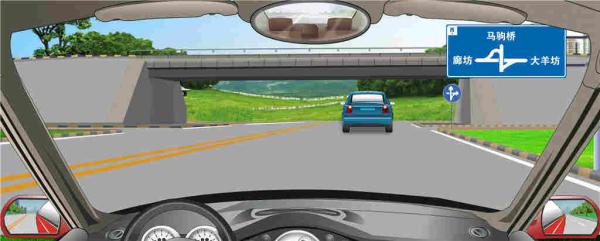
A. Right
B. Wrong
Answer: A
4. When a motor vehicle slides sideways, how should the driver adjust the direction?
A. If the front wheels skid sideways, turn the steering wheel in the direction of the skid
B. If the front wheels skid sideways, turn the steering wheel in the opposite direction of the skid
C. If the rear wheels skid sideways, turn the steering wheel in the direction of the skid
D. If the rear wheels skid sideways, turn the steering wheel in the opposite direction of the skid
Answer: BC
5. The sign on the right warns of a dangerous mountainside road ahead.
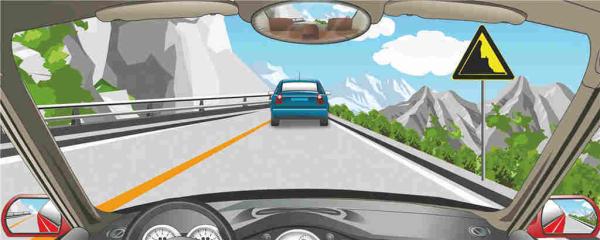
A. Right
B. Wrong
Answer: A
6. Under such circumstances, what should be done by the motor vehicle driver who has been overtaken?
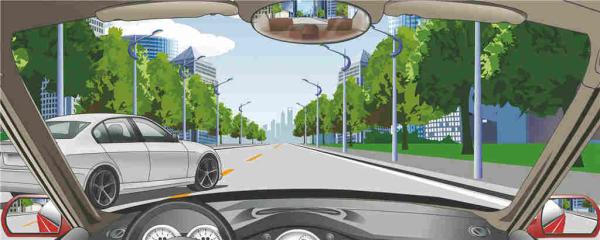
A. Sounding the horn to warn the vehicle that overtook
B. Reducing speed or pulling over by the right side
C. Protesting by turning on the high-beam
D. Catching up with and overtaking the vehicle that overtook, and offering admonitions
Answer: B
7. When running on an expressway with three lanes in each direction, which one of the following lanes is not appropriate for the motor vehicle to use if its speed ranges between 90 kilometers per hour and 110 kilometers per hour?
A. The far left lane
B. The middle lane
C. The far right lane
D. Any lane
Answer: A
8. When finding a tire burst on the road, the driver should gently depress the brake pedal, reduce speed and stop the vehicle slowly.
A. Right
B. Wrong
Answer: A
9. If a motor vehicle experiences a water sliding phenomenon when running on an expressway in rain, what should the driver do?
A. Slow down by suddenly depressing the brake pedal
B. Slow down by slowly releasing the accelerator pedal
C. Turn the steering wheel immediately to adjust the direction
D. Speed up to increase the displacement of the wheels
Answer: B
10. Drivers may turn left when traffic police give these hand signals.
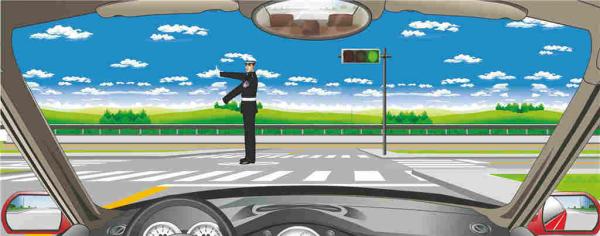
A. Right
B. Wrong
Answer: A
11. When rescuing a wounded person suffering blood loss in an emergency, it is necessary to first stop the bleeding by compression before other treatments are taken in accordance with the conditions of bleeding.
A. Right
B. Wrong
Answer: A
12. Which one of the following is the safest way when driving a motor vehicle on this road?
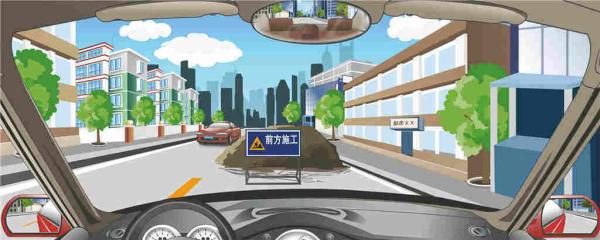
A. Speed up and bypass the obstacle
B. Take the opposite lane and compel the other vehicle to yield
C. Stop and yield to the oncoming vehicle
D. Sound the horn or turn on the headlamp
Answer: C
13. The sign on the right warns of an unguarded railway intersection ahead.

A. Right
B. Wrong
Answer: B
14. When a motor vehicle encounters an accident on an expressway, the driver and all passengers should not get off the vehicle and walk around at will.
A. Right
B. Wrong
Answer: B
15. What should drivers keep in mind when driving on a mountainous road?
A. Keep a safe distance
B. Avoid occupancy of another lane when making a turn
C. Downshift in advance when ascending an abrupt slope
D. Taking full advantage of engine braking when descending a long slope
Answer: ABCD
16. Which of the following acts are prohibited when passing through a tunnel?
A. Overtaking
B. Stopping
C. Making a U-turn
D. Reversing
Answer: ABCD
17. What should the driver do if he encounters this situation at the intersection when driving straight?
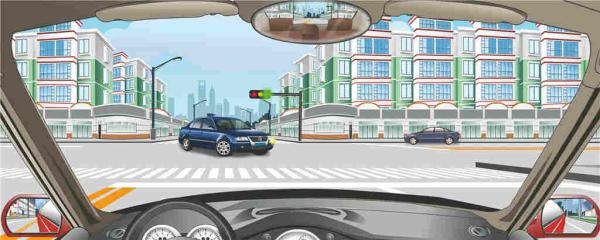
A. Sound the horn to warn the other vehicle to yield
B. Speed up and pass in the front of the vehicle
C. Turn on the headlamp to warn the other vehicle to yield
D. Slow down or stop to yield
Answer: D
18. What is the main impact of foggy weather on safe driving?
A. Easy to slide sideways
B. Low visibility
C. Increase the resistance
D. Widen the field of vision
Answer: B
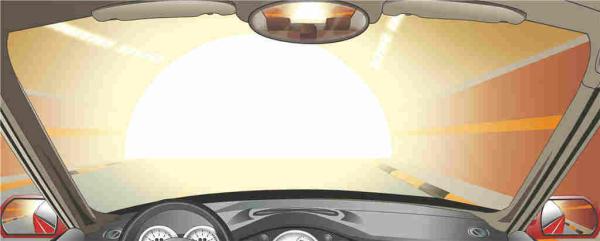
19. When a motor vehicle approaches the exit of a tunnel the driver should firmly hold the steering wheel to prevent any harmful effects of a strong side wind.
A. Right
B. Wrong
Answer: A
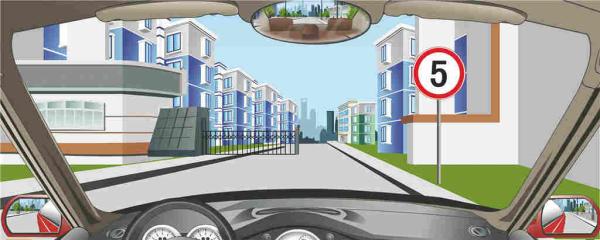
20. When driving in a residential area, the driver should not exceed the speed indicated by the speed limit sign.
A. Right
B. Wrong
Answer: A