

1. This set of the hand signals of the traffic police indicates that the vehicles should ___ .

A. wait to turn left
B. pull over
C. turn right
D. reduce speed and pass slowly
Answer: C
2. Whats the meaning of this sign?
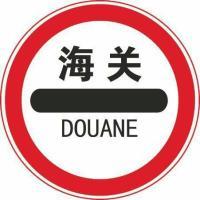
A. national boundaries
B. border defense
C. boundaries
D. customs
Answer: D
3. It lights to indicate that ______

A. engine compartment is opened
B. cover of fuel tank is opened
C. doors of both sides are opened
D. luggage compartment is opened
Answer: C
4. It lights to indicate that ______

A. the tail fog light is turned on
B. the low beam light is turned on
C. the high beam light is turned on
D. the head fog light is turned on
Answer: A
5. Whats the meaning of this sign?
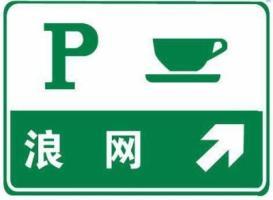
A. expressway parking area ahead
B. expressway shelter ahead
C. expressway car park ahead
D. expressway service area ahead
Answer: A
6. If a motorized vehicle driver allows his vehicle to be driven by a person whose driving license has been revoked, the traffic police will detain the driving license.
A. Right
B. Wrong
Answer: A
7. Whats the meaning of this sign?

A. bump road
B. low-lying road
C. high outburst road
D. hump bridge
Answer: B
8. Which of the following vehicle in front in the same lane is not allowed to be overtaken?
A. police car on duty
B. large bus or large truck
C. taxis
D. public bus
Answer: A
9. Whats the meaning of this sign?
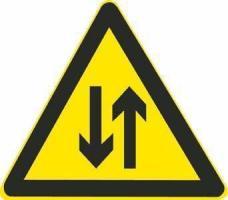
A. reduce speed and yield
B. variable lane
C. separated road
D. two-way traffic
Answer: D
10. No running into the middle lane when encountering this situation.
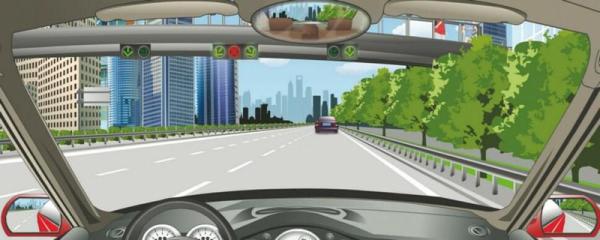
A. Right
B. Wrong
Answer: A
11. The vehicle is allowed to _______ at this intersection.

A. go straight
B. turn right
C. turn left
D. go straight or turn left
Answer: B
12. When a vehicle on the main road approaches a conjunction with a feeder road, the driver should ______ in order to prevent a collision with a vehicle that suddenly enters from the feeder road.
A. Maintain the normal speed
B. Reduce speed in advance, observe and drive with care
C. Honk and swiftly pass
D. Speed up in advance and pass
Answer: B
13. After starting the engine, it lights to indicate that ______

A. fuel pump abnormal or malfunction
B. ignition system malfunction
C. fuel supply system is abnormal
D. fuel in tank reaches the minimum level
Answer: D
14. Whats the meaning of this sign?
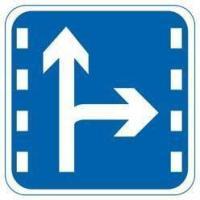
A. straight-going and left-turn lane
B. straight-going and side road exit lane
C. lane for both going straight and right turn
D. lanes for going in different directions
Answer: C
15. What is this instrument?
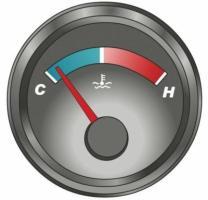
A. water temperature meter
B. fuel meter
C. ammeter
D. pressure meter
Answer: A
16. Traffic lights are divided into red, green and yellow light.
A. Right
B. Wrong
Answer: A
17. This sign warns the driver to run slowly with care and beware of the vehicles from horizontal road.
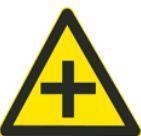
A. Right
B. Wrong
Answer: A
18. How long can a driver drives without rest?
A. less than 6hrs
B. less than 8hrs
C. less than 10hrs
D. less than 4hrs
Answer: D
19. Traffic Police can detain the vehicle according to law if it runs on the road failing to place a label of inspection.
A. Right
B. Wrong
Answer: A
20. It lights when turning on the front high beam lights.
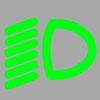
A. Right
B. Wrong
Answer: B