

1. When leaving an expressway, drivers should enter the ramp after slowing down in the deceleration lane.
A. Right
B. Wrong
Answer: A
2. What should motor vehicle drivers do under the circumstance shown in the flash?
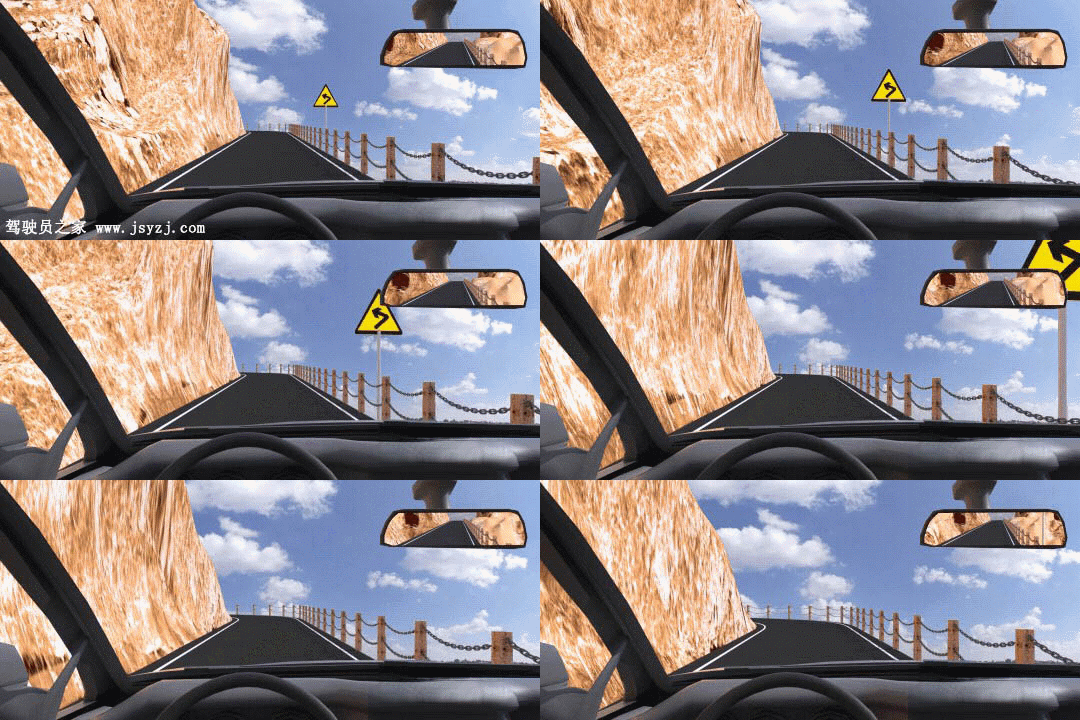
A. Drive by borrowing the opposite lane
B. Brake suddenly and pass through at a lower speed
C. Drive by the outer side of the curve
D. Reduce speed fully and drive by the right side
Answer: D
3. Mr. He drove his large bus with 53 passengers (permitted carrying capacity 47) to 454 km mark by 100m along the Yining-hefei Expressway in Nanjing jurisdiction, where he was tailgated by a heavy-type semitrailer tractor. The bus left the road, breaking through the guardrail and catching fire. 17 people were killed and 27 injured. Which of the following law-breaking acts did Mr. He commit?
A. Speeding
B. Exceeding the carrying capacity of the motor bus
C. Driving a motor vehicle overdue for annual inspection
D. Improper operation
Answer: B
4. When there is a sudden braking failure on a downhill road, in which ones of the following ways can drivers reduce speed?
A. Driving onto the emergency lane and reduce speed and stop there
B. Rubbing the vehicle body against the rocks or trees on roadside
C. Pulling up the handbrake first
D. Immediately changing to a low gear
Answer: ABD
5. The driver may not yield when the motor vehicle encounters this situation at the intersection.
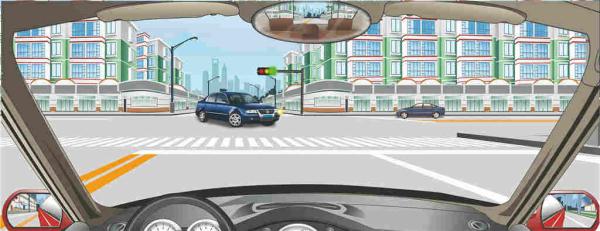
A. Right
B. Wrong
Answer: B
6. Motor vehicle drivers don?ˉt need to use any lamp at night when passing through a road section where the street light condition is good.
A. Right
B. Wrong
Answer: B
7. What caused this drivers death in an accident?

A. Failing to fasten seatbelt
B. Positioned too close to the steering wheel
C. Failing to hold the steering wheel
D. Failing to turn on SRS
Answer: A
8. The sign on the right warns of a danger from rockfall on the left side.
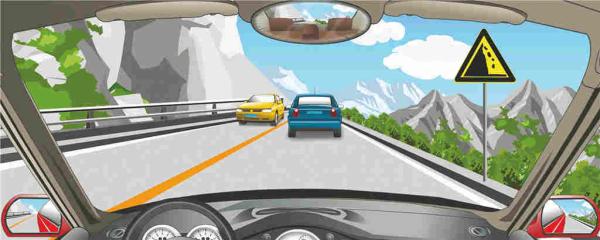
A. Right
B. Wrong
Answer: A
9. Motor vehicle drivers don?ˉt need to fasten their seatbelt
A. Right
B. Wrong
Answer: B
10. As shown in this flash, what should the motor vehicle driver do when encounters this situation?
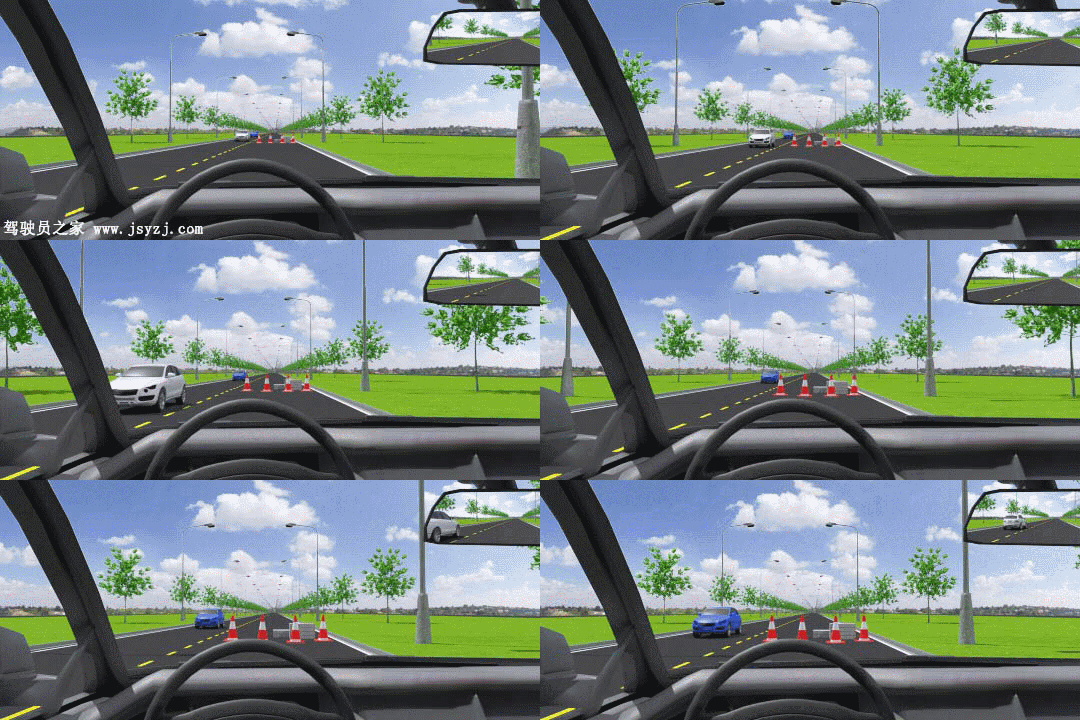
A. Use the mergency brake
B. Turn sharply and pass rapidly
C. Slide over rapidly without encountering collision
D. Stop smoothly
Answer: D
11. After a motor vehicle falls into water, the driver won?ˉt be able to open the side doors or windows to escape until water nearly fills up the compartment.
A. Right
B. Wrong
Answer: A
12. Which one of the following is the safest way when driving a motor vehicle on this road?
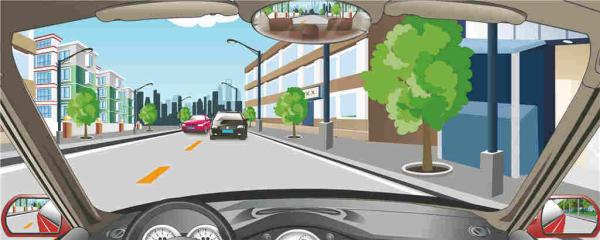
A. Cutting speed or stopping to yield
B. Driving along the center of the road
C. Keeping a normal speed
D. Approaching vehicles by taking the opposite lane
Answer: A
13. Gun powder, explosives and detonating powder belong to which of the following dangerous chemicals?
A. Oxidizing materials
B. Inflammable solid materials
C. Explosives
D. Self-igniting articles
Answer: C
14. When this signal is constantly flashing, how should a driver react?
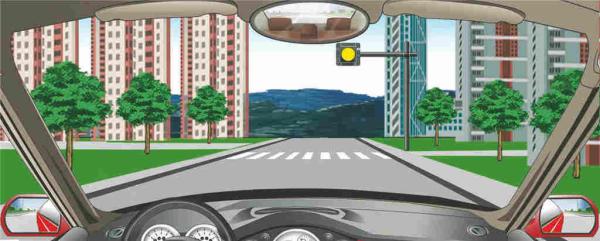
A. Speed up as soon as possible
B. Pull over and wait
C. Observe the traffic situation around to make sure of safe driving
D. Refrain from passing
Answer: C
15. What is the meaning of the sign on the right?
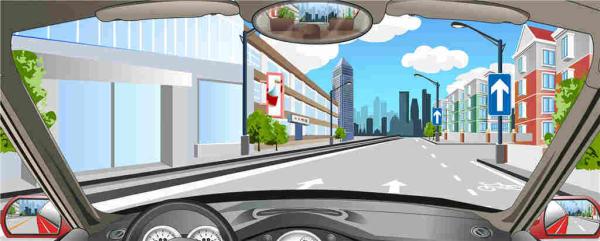
A. Drive on the right side of the road ahead
B. No entry ahead
C. One-way road ahead
D. Watch for the right-hand intersection ahead
Answer: C
16. What should the driver do when the motor vehicle encounters this situation?
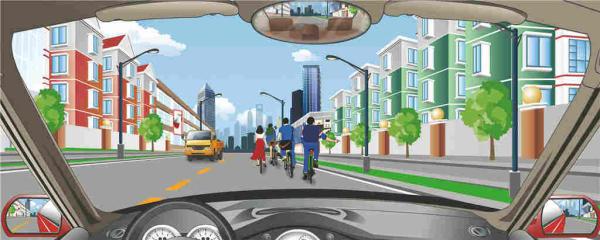
A. Overtake immediately
B. Sound the horn continuously to warn
C. Maintain safety distance and overtake
D. Sound horn and speed up to overtake
Answer: C
17. What is the function of ABS during emergency braking?
A. Shortening the braking distance
B. Keeping steering capacity of the motor vehicle
C. Relief the braking inertia
D. Controlling directions automatically
Answer: B
18. Drivers may go ahead when traffic polices posture is like this.
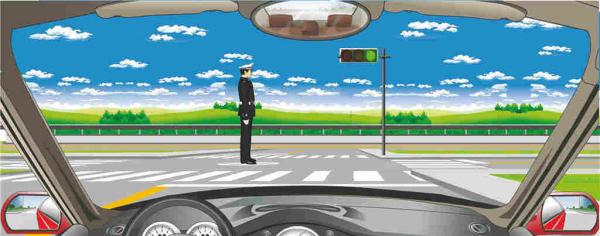
A. Right
B. Wrong
Answer: A
19. The road marker indicates that vehicles are only allowed to turn right at the intersection ahead.
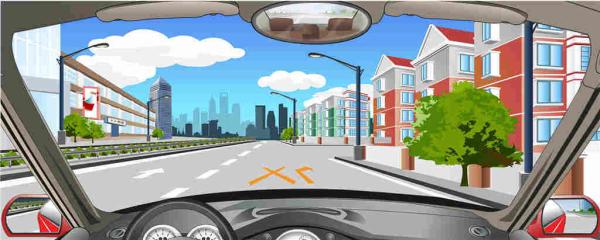
A. Right
B. Wrong
Answer: B
20. Mr. Zou drove a large sleeper coach (capacity 35 people and carrying 47 passengers). At the spot of 938 kilometers of the Jinggang ao Expressway, large amounts of dangerous chemicals in the coach blew up, killing 41 people and injuring 6. What are the main illegal acts in this case?
A. Carrying more passengers than permitted
B. Passengers carried flammable and explosive substances
C. Speeding
D. Illegal parking
Answer: AB