

1. Which of the following is a bad habit when changing lanes?
A. Turning on the indicator in advance
B. Observing closely before changing a lane
C. Change lanes at will
D. Not obstructing the passing of other normally moving vehicles
Answer: C
2. The sign in the red circle indicates that the left road is only for small vehicles.
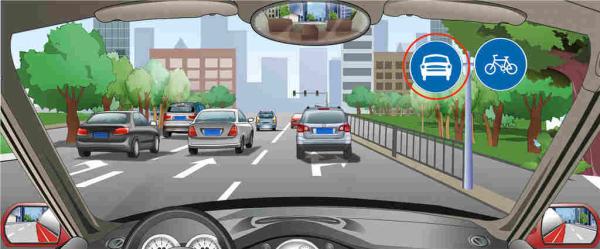
A. Right
B. Wrong
Answer: B
3. The sign on the right is an advance announcement of the highway destination.
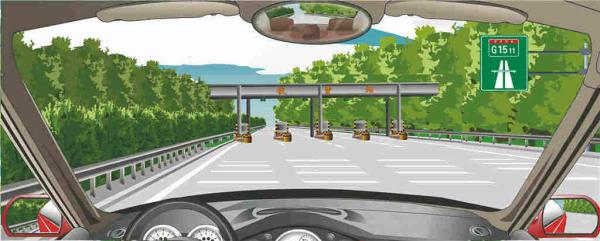
A. Right
B. Wrong
Answer: B
4. When encountering such pedestrians, motor vehicle drivers may continuously sound the horn to alert them to yield.
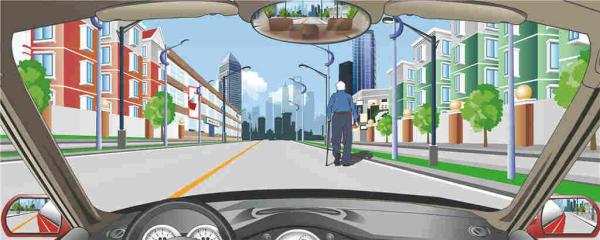
A. Right
B. Wrong
Answer: B
5. Under such circumstances at an intersection. what should motor vehicle drivers do?
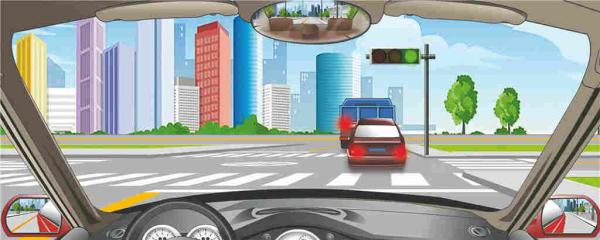
A. Drive into the intersection and wait
B. Wait in front of the intersection stop-line
C. Pass through in the right non-motor vehicle lane
D. Pass through the intersection by borrowing the opposite lane
Answer: B
6. When encountering an emergency on a highway, the driver should not drastically turn to evade.
A. Right
B. Wrong
Answer: A
7. vehicles may stop temporarily in this area.
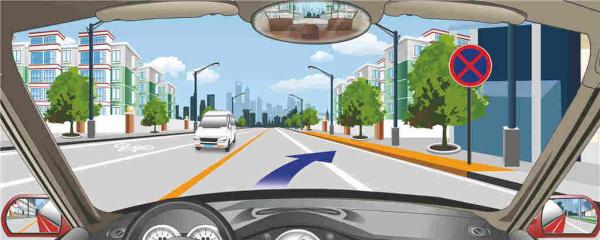
A. Right
B. Wrong
Answer: B
8. What should the driver do upon finding that one of the right tires is leaking while driving?
A. Brake swiftly to slow down
B. Brake slowly to slow down
C. Turn to the left side swiftly
D. Apply emergency braking
Answer: B
9. Where is the proper parking place for breakdown motor vehicles stopping for examination?
A. In the far outer lane
B. In the inner lane
C. In the emergency lane
D. Entrance area of the ramp
Answer: C
10. The braking distance will be shortened greatly when the motor vehicle is equipped with ABS brakes.
A. Right
B. Wrong
Answer: B
11. Motor vehicles are not allowed to stop in this area for a long time.
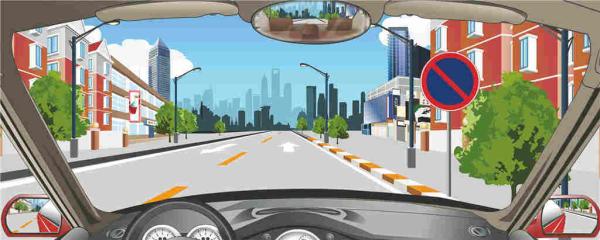
A. Right
B. Wrong
Answer: A
12. The sign on the right indicates a T-shaped intersection head.
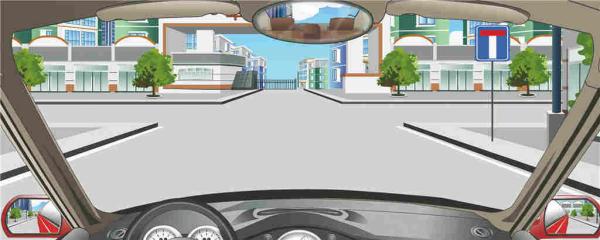
A. Right
B. Wrong
Answer: B
13. The sign on the right warns of a non-motor vehicle lane.
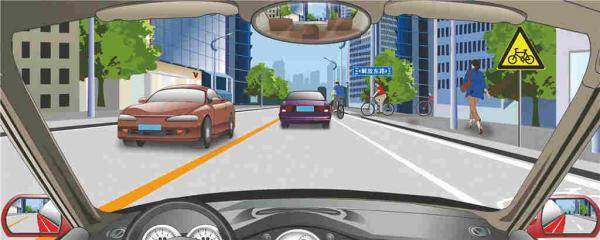
A. Right
B. Wrong
Answer: B
14. When there is a braking failure on a downhill road, the driver should immediately try to find and drive to an emergency lane; after stopping the vehicle on the emergency lane, the driver should pull up the stopping brake so as to prevent a second danger arising from the vehicle sliding.
A. Right
B. Wrong
Answer: A
15. As shown in this flash, what should the motor vehicle driver do when encounters this situation?
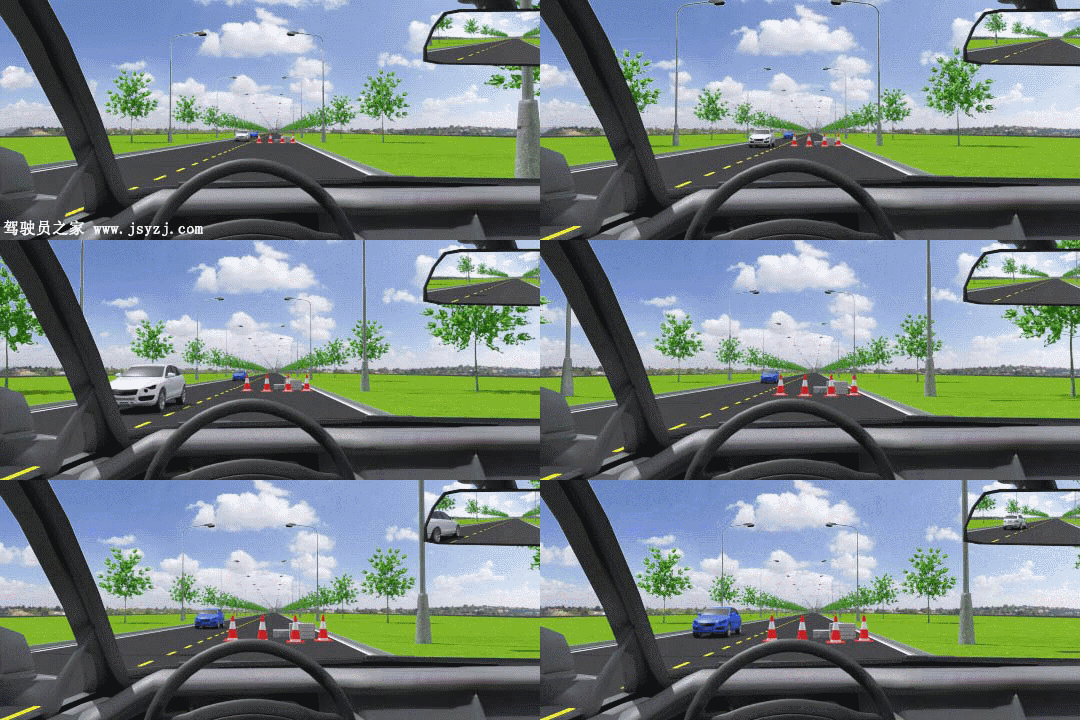
A. Use the mergency brake
B. Turn sharply and pass rapidly
C. Slide over rapidly without encountering collision
D. Stop smoothly
Answer: D
16. When reversing in this condition, in which of the following ways can motor vehicle drivers keep safe?

A. Reverse at a lower speed
B. Voluntarily stop and yield
C. Continuously sound the horn to alert
D. Reverse in a clockwise direction
Answer: B
17. What should the driver do to ensure safe driving when the motor vehicle encounters this situation in a residential area?

A. Sound the horn to warn the pedestrians
B. Speed up and pass as quickly as possible
C. Retain a normal speed
D. Slow down and prepare to stop
Answer: D
18. Drivers may go ahead when traffic polices posture is like this.
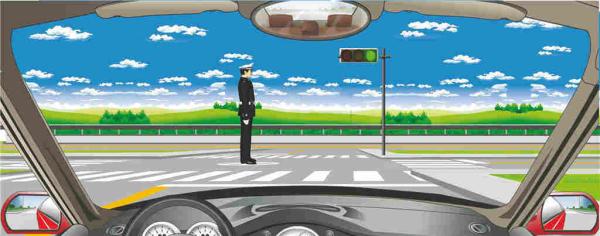
A. Right
B. Wrong
Answer: A
19. The sign on the right indicates a left-turn bypass route at the intersection ahead.
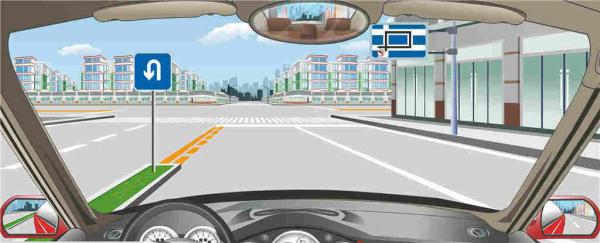
A. Right
B. Wrong
Answer: A
20. When a motor vehicle passes over an overflowing bridge, what should the driver do after stopping and observing closely?
A. Change to a high gear and pass rapidly
B. Constantly observe the changes of the flow
C. Prepare to stop at any time
D. Change to a low gear and pass through at a constant speed
Answer: D