

1. When a vehicle goes uphill, the driver should observe the road conditions and the length of the slope in advance and shift to the lower gear in a timely manner to ensure the vehicle has sufficient power.
A. Right
B. Wrong
Answer: A
2. Whats the meaning of this sign?
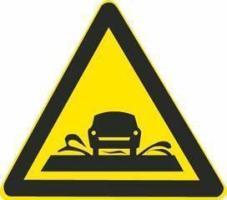
A. muddy road
B. low-lying road
C. overflowing road
D. ferry
Answer: C
3. Whats the meaning of this mark on the road?
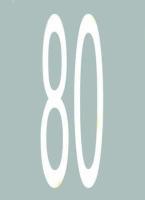
A. minimum speed limit is 80km/hr
B. average speed is 80km/hr
C. maximum speed limit is 80km/hr
D. 80km/hr speed limit ban is lifted
Answer: A
4. When the motor vehicle installed ABS system applys emergency braking, the driver can depress the brake pedal heavily.
A. Right
B. Wrong
Answer: A
5. When a vehicle reaches a muddy or burst-and-muddy section, the driver should stop,observe and select the level and solid section or the section with vehicle tracks.
A. Right
B. Wrong
Answer: A
6. May watch car video in good road conditions.
A. Right
B. Wrong
Answer: B
7. Whats the meaning of this sign?
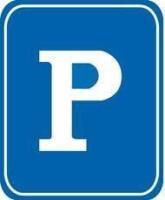
A. internal car park
B. special car park
C. uncovered car park
D. indoor car park
Answer: C
8. Whats the meaning of this sign?
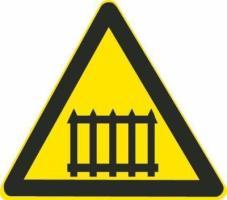
A. a manned level crossing
B. multi-crossing of railway and road
C. grade separation level crossing
D. an unmanned level crossing
Answer: A
9. You may speed up to go through the intersection in this case.Answer£o
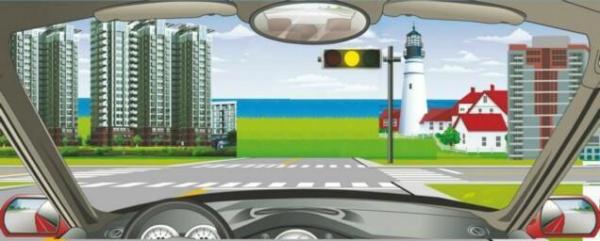
A. Right
B. Wrong
Answer: B
10. Whats the meaning of this guide arrow?

A. indicate turning left or making a U turn ahead
B. indicate going straight or turning left ahead
C. indicate going straight or changing to left lane ahead
D. indicate going straight or making a U turn ahead
Answer: D
11. This set of the hand signals of the traffic police indicates that the vehicles should ____ .
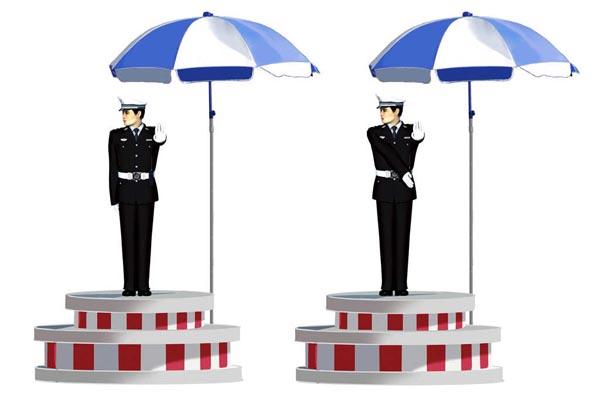
A. reduce speed and pass slowly
B. pull over
C. stop
D. turn right
Answer: D
12. The main impact of foggy weather on safe driving is _________.
A. The engine can easily stop
B. The vehicle can easily slide sideways
C. The resistance the vehicle increases
D. The visibility is low and the vision is poor
Answer: D
13. You can drive a motorized vehicle a short distance after drinking as long as it does not interfere the driving operation.
A. Right
B. Wrong
Answer: B
14. Whats the meaning of this sign?
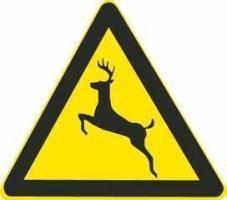
A. watch for wildlife
B. watch for animals
C. zoo park
D. opened pastoral area
Answer: A
15. A driver should buckled up before the vehicle moves.
A. Right
B. Wrong
Answer: A
16. In which situation the traffic police may detain the vehicle?
A. no lable of inspection
B. no ID card
C. no lable of environmental protection
D. no vehicle registration papers
Answer: A
17. It lights to indicate that ______

A. the head fog light is turned on
B. the low beam light is turned on
C. the high beam light is turned on
D. the tail fog light is turned on
Answer: C
18. Before the motorized vehicle runs on the road, the driver should check the safety and technical performance of the vehicle.
A. Right
B. Wrong
Answer: A
19. As the braking distance increases on a wet road in a rainy day, the driver should use the emergency brake as much as possible to reduce speed.
A. Right
B. Wrong
Answer: B
20. When a vehicle passes a level crossing, the driver should use the low gear to pass and should not change gear halfway in order to avoid engine kill.
A. Right
B. Wrong
Answer: A