

1. When rescuing a wounded person suffering from bone fracture, which of the following should be kept in mind?
A. Immediately send him/her to the hospital on a stretcher
B. Properly change the original posture when the injured person wounded
C. Dress the fracture with a bandage
D. Do not move the fractured body-part
Answer: D
2. The motor vehicle should slow down and pass slowly in this situation.
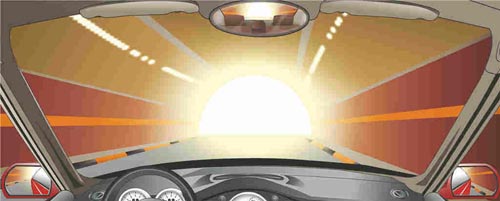
A. Right
B. Wrong
Answer: A
3. When braking, side skid or tail swing may occur if the rear wheels are blocked.
A. Right
B. Wrong
Answer: A
4. At this moment, the driver may speed up and pass the intersection rapidly.

A. Right
B. Wrong
Answer: B
5. When a motor vehicle encounters a group of youngsters bypassing the motor vehicles parking beside the road, the driver should slow down voluntarily and yield.
A. Right
B. Wrong
Answer: A
6. When a tire suddenly bursts on the road, in which of the following ways can motor vehicle drivers keep safe?
A. Applying emergency braking and pulling over
B. Firmly holding the steering wheel and keeping the vehicle going straight
C. Immediately releasing the accelerator pedal
D. Gently depressing the brake pedal
Answer: BCD
7. Where is the proper parking place for breakdown motor vehicles stopping for examination?
A. In the far outer lane
B. In the inner lane
C. In the emergency lane
D. Entrance area of the ramp
Answer: C
8. The sign in front indicates an indoor parking ground 100 meters ahead.
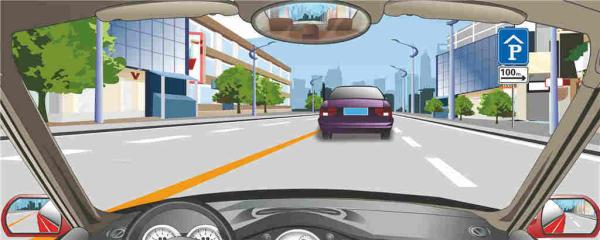
A. Right
B. Wrong
Answer: A
9. What should be done by drivers in order to safely pass through the curve in this condition?

A. Reduce speed and drive on the right side
B. Drive on the central line of the road
C. Drive on the outer side of the curve
D. Drive by borrowing the opposite lane
Answer: A
10. Those traffic police signals mean turning right.
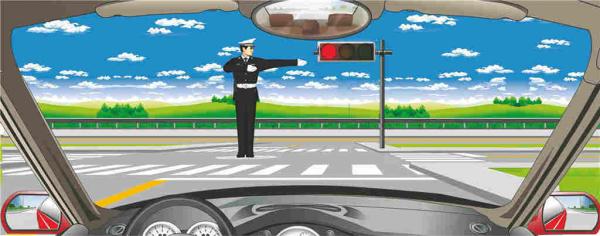
A. Right
B. Wrong
Answer: B
11. The sign on the right warns of entering a tunnel, and requires reduced speed.
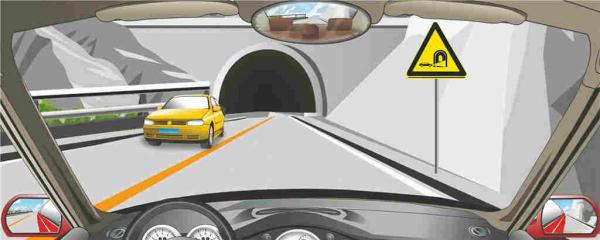
A. Right
B. Wrong
Answer: B
12. When there is a braking failure on a downhill road, if there is no favorable terrain or opportunity to stop the vehicle, the driver should drop gear by one position or two positions, and control the speed by taking advantage of the braking role of the engine.
A. Right
B. Wrong
Answer: A
13. The driver should turn on the left-turn indicator after entering the acceleration lane on an expressway.
A. Right
B. Wrong
Answer: B
14. The sign in front indicates a 2-kilometer distance from the destination of the highway ahead.
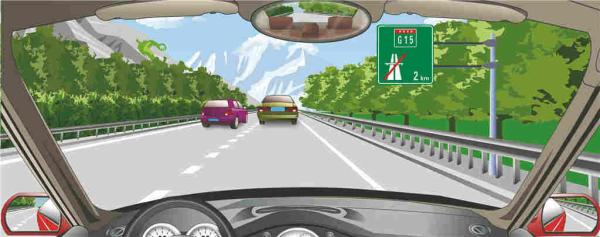
A. Right
B. Wrong
Answer: A
15. When driving on a foggy day, what kind of lamps should the driver turn on?
A. Fog lamp and hazard lamp
B. Fog lamp and indicator
C. Fog lamp and high-beam
D. Fog lamp and low-beam
Answer: A
16. Drivers may temporarily cross these central solid double yellow lines when overtaking.
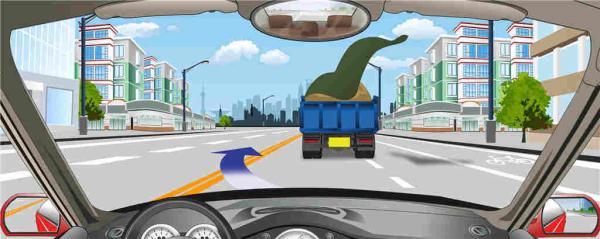
A. Right
B. Wrong
Answer: B
17. Mr. He drove his large bus with 53 passengers (permitted carrying capacity 47) to 454 km mark by 100m along the Yining-hefei Expressway in Nanjing jurisdiction, where he was tailgated by a heavy-type semitrailer tractor. The bus left the road, breaking through the guardrail and catching fire. 17 people were killed and 27 injured. Which of the following law-breaking acts did Mr. He commit?
A. Speeding
B. Exceeding the carrying capacity of the motor bus
C. Driving a motor vehicle overdue for annual inspection
D. Improper operation
Answer: B
18. The leading cause of this accident is that the driver failed to make sure that it was safe to reverse before doing so.
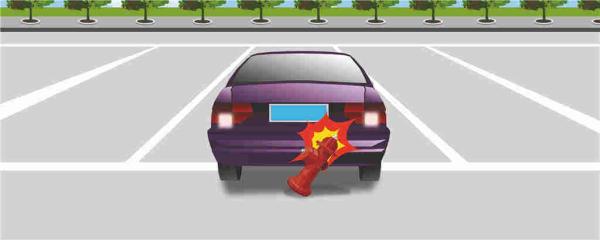
A. Right
B. Wrong
Answer: A
19. The white zig-zag line on the highway serves as a reference for the speed of a driver.
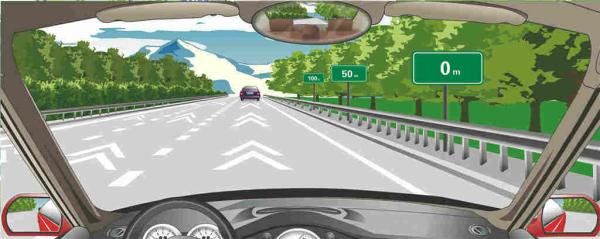
A. Right
B. Wrong
Answer: B
20. Motor vehicle drivers should use the windscreen wiper when setting off on a rainy day
A. Right
B. Wrong
Answer: A