

1. What should the driver do to ensure safe driving when the motor vehicle encounters this situation in a residential area?

A. Sound the horn to warn the pedestrians
B. Speed up and pass as quickly as possible
C. Retain a normal speed
D. Slow down and prepare to stop
Answer: D
2. Under this circumstance, motor vehicle drivers should not reduce speed.
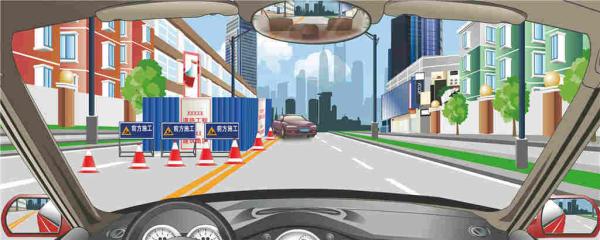
A. Right
B. Wrong
Answer: B
3. What should the driver do on this kind of curving mountain road?
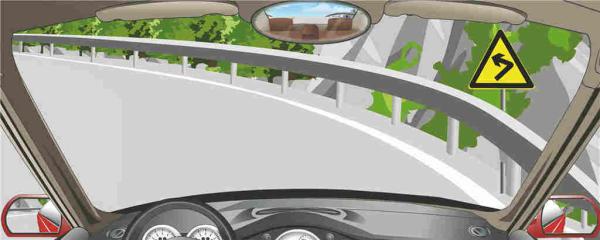
A. Borrow the opposite lane
B. Slow down and drive on the right
C. Stick to the central line of the road
D. Drive close to the right side
Answer: B
4. The sign on the right indicates that no restriction for temporary parking.
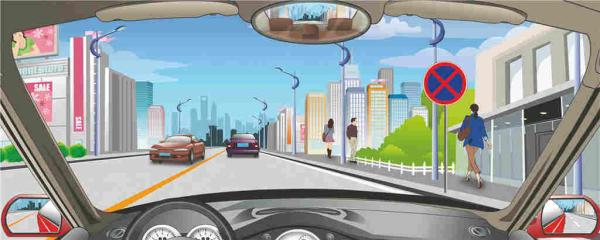
A. Right
B. Wrong
Answer: B
5. How should lamps be used when setting off in this situation?
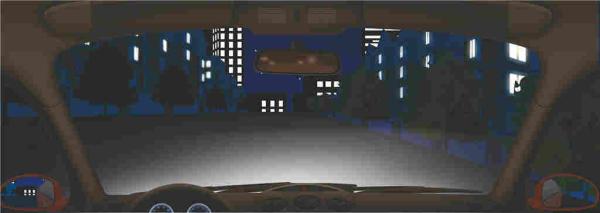
A. Turn on the high-beam
B. Turn on the left indicator only
C. Turn on the left indicator and low-beam
D. Turn on hazard lamp
Answer: C
6. What should the motor vehicle driver do when the motor vehicle encounters the crosswalk in this situation?

A. Slow down and pass
B. Speed up and pass
C. Sound the horn and pass
D. Stop immediately
Answer: A
7. In order to keep safe when driving on the highway, which ones of the following statements are prohibited acts?
A. Reversing, moving against regulations, making a U-turn by crossing the central divider, or stopping in the lane.
B. Riding or rolling on the lane-dividing line or driving on the shoulder
C. Overtaking on ramps, accelerations lanes, or deceleration lanes.
D. Testing vehicles or learning to drive a vehicle
Answer: ABCD
8. Rescue personnel should check the breath of the unconscious person before applying any other emergency treatment.
A. Right
B. Wrong
Answer: A
9. When a front tire bursts, after controlling the driving direction, what should be done by the driver in order to slow down and stop?
A. Immediately change to a high gear
B. Immediately change to a low gear
C. Immediately change to the neutral gear
D. Apply emergency braking
Answer: B
10. Mr. Yang drove an adapted minibus (capacity 9 people and carrying 64 passengers, including 62 kindergarten pupils). When driving in Ma Caogou Village of Yu Linzi County, the bus used the lane for oncoming traffic and had a head-on colision with a heavy dump truck. As a result of this accident, 22 people were killed and 44 injured. What are the main illegal acts in this case?
A. The truck exceeded the speed limit
B. Illegal adaptation of a motor vehicle
C. The minibus carried more passengers than capacity
D. Driving in the opposite direction lane
Answer: BCD
11. As shown in the flash, what should the motor vehicle driver do when encountering this situation?
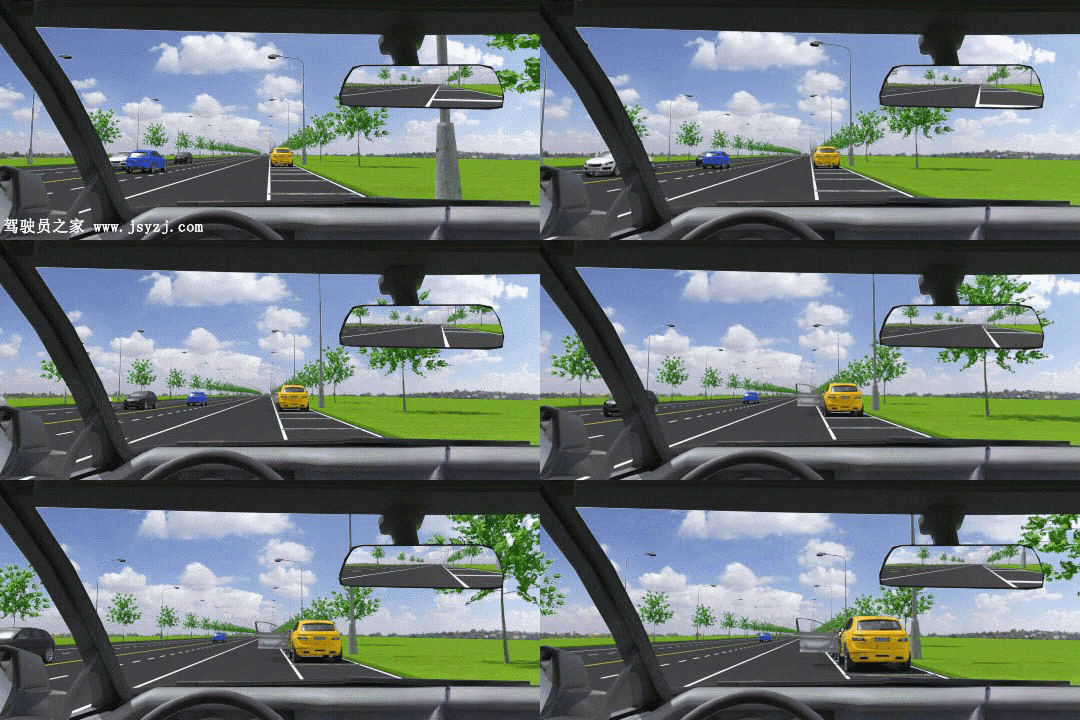
A. Reserve a safe crosswise distance and cut speed
B. Keep a normal speed
C. Use the emergency brake when approaching
D. Speed up and pass rapidly
Answer: A
12. Motor vehicles on this kind of road are only allowed to overtake the vehicle in front from left.
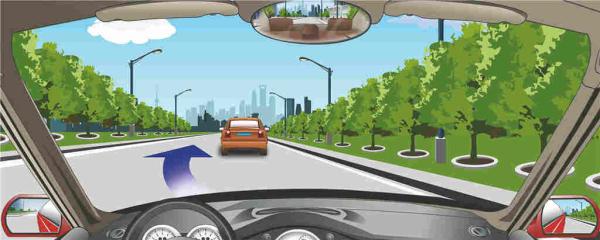
A. Right
B. Wrong
Answer: A
13. Under such circumstances at an intersection. what should motor vehicle drivers do?
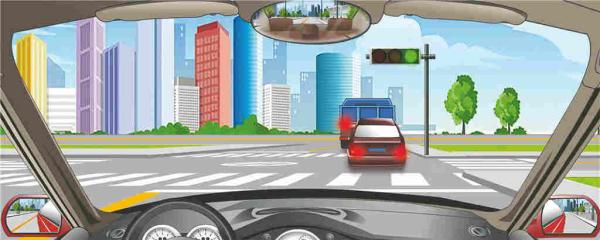
A. Drive into the intersection and wait
B. Wait in front of the intersection stop-line
C. Pass through in the right non-motor vehicle lane
D. Pass through the intersection by borrowing the opposite lane
Answer: B
14. When driving on a damp and slippery road, drivers should avoid using the emergency brake to his best ability.
A. Right
B. Wrong
Answer: A
15. What should be done first after getting into the vehicle?
A. Observe the surrounding traffic situation
B. No need to observe the traffic situation around
C. Open the door and get in directly
D. Take note of the weather
Answer: A
16. Turning on the high-beam is an effective way to improve visibility in fog weather.
A. Right
B. Wrong
Answer: B
17. Drivers may cross these central solid and broken yellow lines when overtaking.
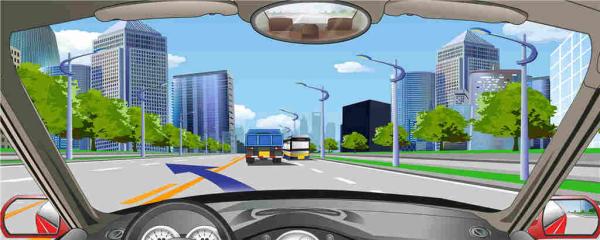
A. Right
B. Wrong
Answer: B
18. How should lamps be used when a motor vehicle meets an oncoming bicycle on a narrow road or a narrow bridge at night?
A. Continuously change between low-beam and high-beam
B. Use clearance lamp
C. Use high-beam
D. Use low-beam
Answer: D
19. When finding a tire burst on the road, the driver should use emergency braking while controlling the direction of the vehicle at the same time to stop the vehicle quickly.
A. Right
B. Wrong
Answer: B
20. Having driven a medium passenger vehicle (carrying 27 passengers) to the southern end of Qianling Village of Sidu Town, Mr. Xu drove upslope but the vehicle slid backward and dropped from an 80-meter cliff, killing 11 people and injuring 7. Which of the following law-breaking acts did Mr. Xu commit?
A. Fatigued driving
B. Drunk driving
C. Exceeding the carrying capacity of the passenger vehicle
D. Speeding
Answer: C