

1. When a motor vehicle passes over an inundated road, what should the driver do for safe driving?
A. Slow down and drive with special care
B. Speed up and pass rapidly
C. Maintain a normal speed and pass through
D. Change to a low gear and speed up to pass
Answer: A
2. The sign above the tunnel indicates a height limit of 3.5 meters on the road ahead.
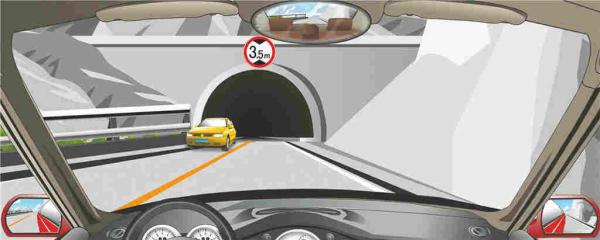
A. Right
B. Wrong
Answer: A
3. Under the circumstances shown in the flash, what should the driver do?
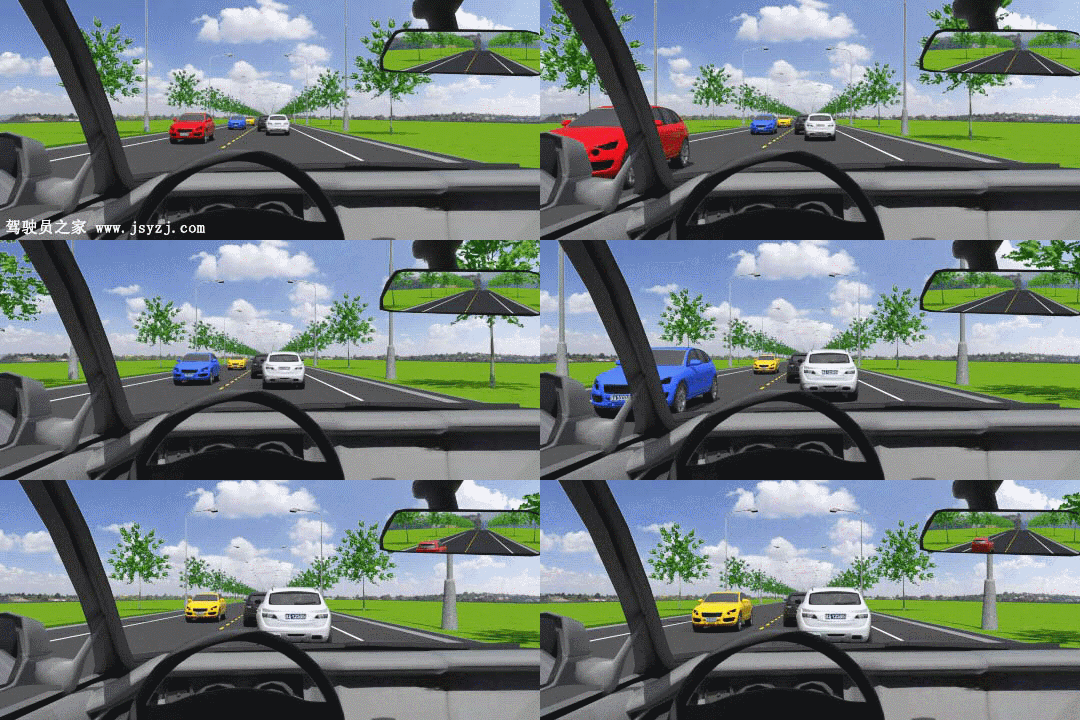
A. Find a chance to overtake the vehicle in front
B. Weave through motor vehicles ahead and pass
C. Reduce speed, stop, and wait in line
D. Sound the horn to urge vehicles in front
Answer: C
4. The sign on the left warns of no passing on the right-hand road ahead.
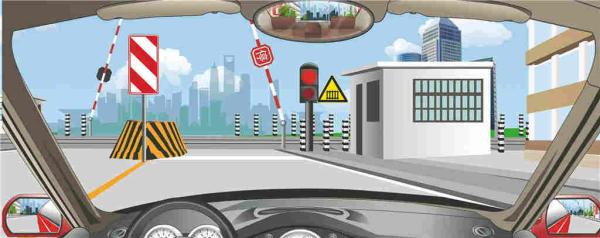
A. Right
B. Wrong
Answer: B
5. What should the driver do when seeing these hand signals?
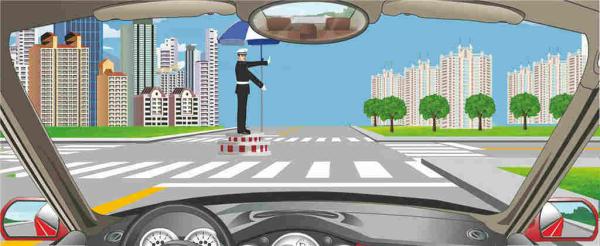
A. Go straight and pass through the intersection
B. Pull over
C. Drive to the waiting area for turning left
D. Turn right at the intersection
Answer: D
6. Motor vehicle drivers don?ˉt need to fasten their seatbelt
A. Right
B. Wrong
Answer: B
7. The broken white reflective line on the road warns that drivers should drive at a lower speed on the road section ahead.
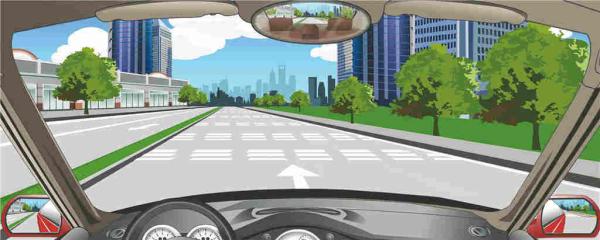
A. Right
B. Wrong
Answer: A
8. Which of the following method is correct to rescue an unconscious person?
A. Apply cardio-pulmonaryresuscitation immediately
B. Press the philtrum of the wounded person with force
C. Continuously slap the face of the wounded person
D. Check the breath of the wounded person before other emergency treatments
Answer: D
9. Crossing the broken white line on the right edge of the road is allowed.
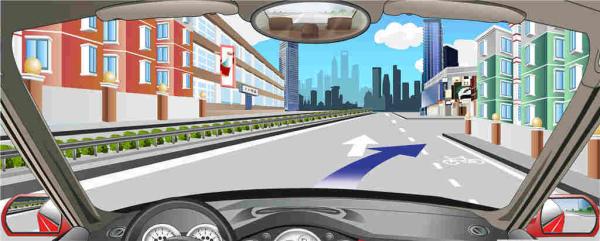
A. Right
B. Wrong
Answer: A
10. The driver should drive on the left in this kind of tunnel.
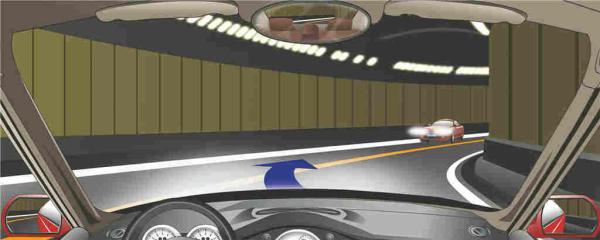
A. Right
B. Wrong
Answer: B
11. The marking on the road surface indicates that the speed limit of this road section is 50 km/hour.
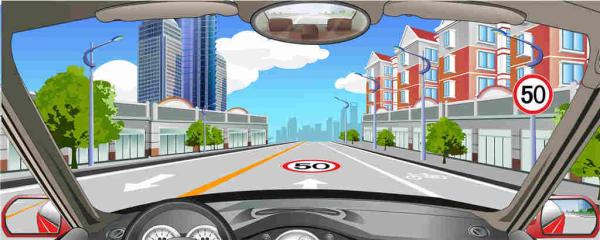
A. Right
B. Wrong
Answer: A
12. The sign on the right indicates that the vehicle should yield to the oncoming traffic as approaching each other.
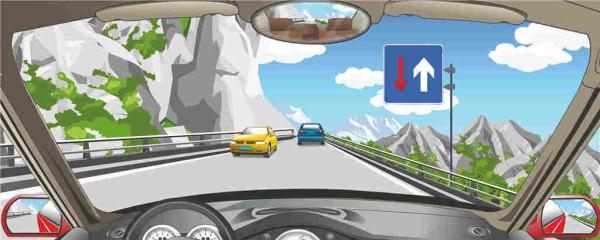
A. Right
B. Wrong
Answer: B
13. This road marker indicates that the minimum speed for this road section is 60 km/hour.
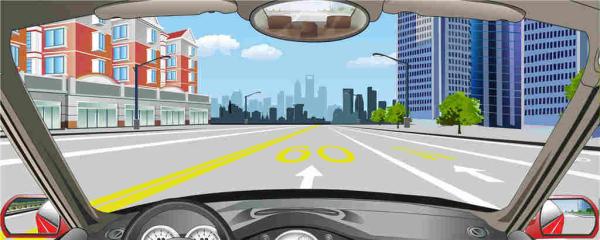
A. Right
B. Wrong
Answer: B
14. The crosswalk of the intersection warns that pedestrians have priority.

A. Right
B. Wrong
Answer: A
15. As shown in this picture, the intersection guide line is designed to help drivers make turns.
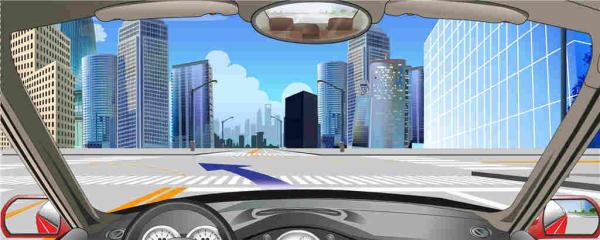
A. Right
B. Wrong
Answer: A
16. The sign on the right indicates that vehicles from the primary road have priority.
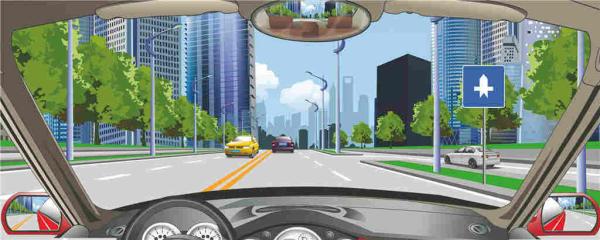
A. Right
B. Wrong
Answer: A
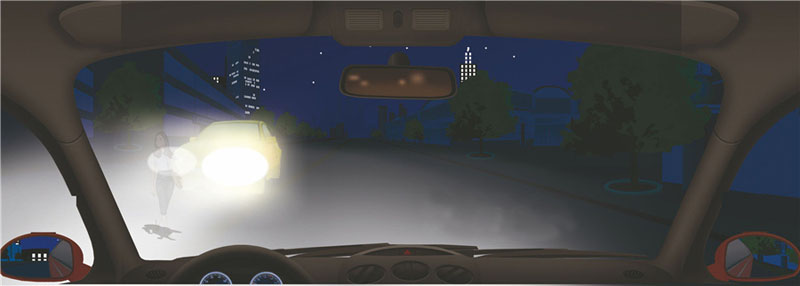
17. When approaching each other at night in this situation, drivers should watch for the danger where the two motor vehicles headlamps meet (the sight dead zone).
A. Right
B. Wrong
Answer: A
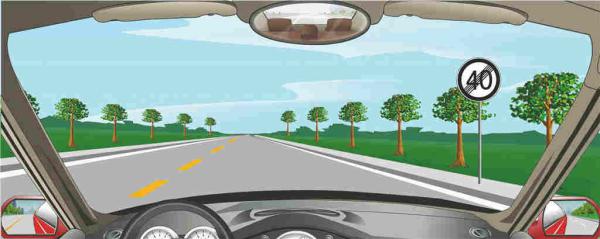
18. The sign on the right indicates that the speed limit of 40km/hour is lifted on the road ahead.
A. Right
B. Wrong
Answer: A
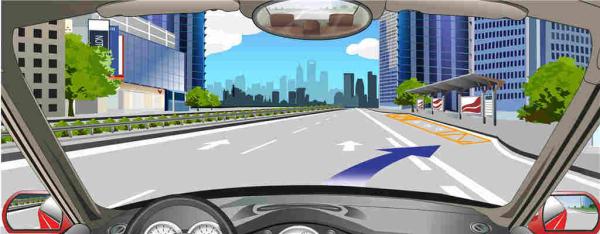
19. The area in the yellow rectangle markings on the right side of the road indicates that temporary stopping is permitted here.
A. Right
B. Wrong
Answer: B
20. If a motor vehicle deviates from the straight direction due to steering failure, what should be done by the driver in order to reduce speed and stop the vehicle as soon as possible?
A. Gently depressing the brake pedal
B. Pulling up the handbrake
C. Immediately changing to a low gear to reduce speed
D. Decisively and continuously depressing and releasing the brake pedal
Answer: D