

1. The sign on the right indicates a bypass route at the intersection ahead.
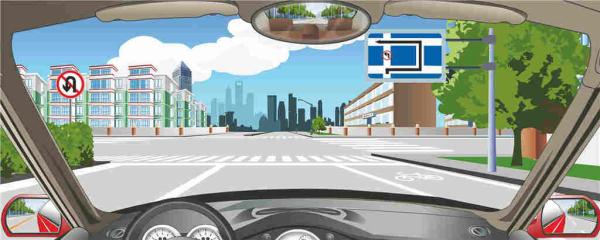
A. Right
B. Wrong
Answer: A
2. The sign on the left indicates U-turn is allowed here.
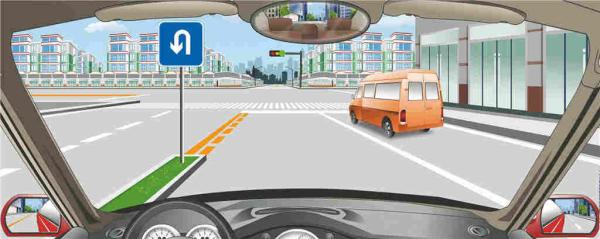
A. Right
B. Wrong
Answer: A
3. When a motor vehicle passes over an inundated road, what should the driver do for safe driving?
A. Slow down and drive with special care
B. Speed up and pass rapidly
C. Maintain a normal speed and pass through
D. Change to a low gear and speed up to pass
Answer: A
4. What should the driver do in this condition?

A. Go through normally on the right side
B. Sound the horn and speed up to go through the tunnel
C. Stop and yield to the oncoming vehicle
D. Turn on the headlamp to warn the oncoming vehicle to yield
Answer: C
5. What kind of harmful effect will be brought about by continuously using the foot brake on a long downhill road?
A. Shorten the engine?ˉs service life
B. Make the driver feel tired
C. Easily cause the vehicle to overturn
D. Reduce the braking efficiency
Answer: D
6. What should the driver pay attention to in this situation?
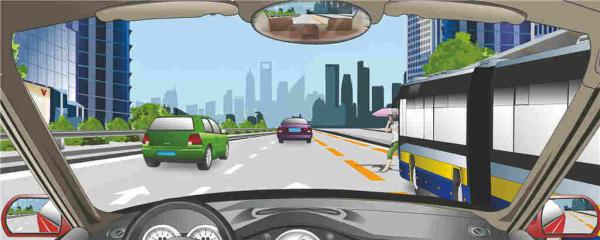
A. Pedestrians passing behind the vehicle
B. Pedestrians passing in front of the vehicle
C. Public buses suddenly reversing
D. Public buses suddenly setting off
Answer: B
7. When a bus encounters an unexpected situation or an accident, the driver should do his best to minimize the loss and should never cause a secondary accident or even greater loss for the sake of avoiding danger.
A. Right
B. Wrong
Answer: A
8. What action is important on this kind of mountain road?
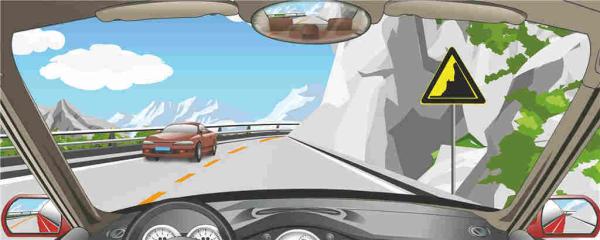
A. Take care of the dangerous hillside road on the left
B. Drive on the left
C. Drive along the central line of the road
D. Drive on the right side and pass slowly
Answer: D
9. Motor vehicles on this kind of road are only allowed to overtake the vehicle in front from left.
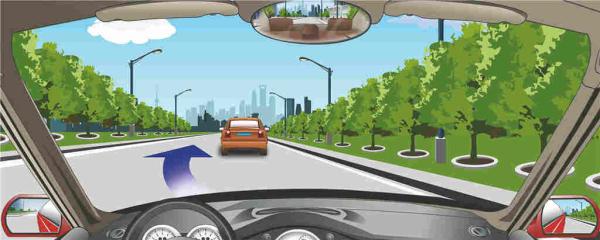
A. Right
B. Wrong
Answer: A
10. Under such circumstances, what should be done by a motor vehicle driver in order to yield out of courtesy?
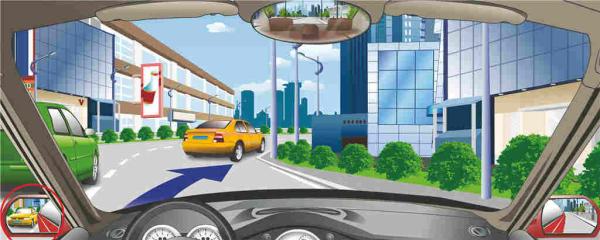
A. Driving at a higher speed
B. Closely following the vehicle in front
C. Driving at a higher speed by the right side
D. Driving at a lower speed by the right side
Answer: D
11. When braking failure happens to a fast-moving motor vehicle, what should be done by the driver to brake?
A. Continuously depressing the brake pedal
B. Immediately changing to a low gear to reduce speed and using the handbrake
C. Swiftly depressing the clutch pedal
D. Swiftly pulling up the handbrake
Answer: B
12. Having driven a large passenger vehicle (carrying 44 passengers, permitted carrying capacity 44) equipped with sleepers at 44km/hour on a frozen road, at 58 km mark by 500m on 540 County Road in Yanhe County, Mr. Luo sideslipped and left the road, killing 15 people and injuring 27. Which of the following law-breaking acts did Mr. Luo commit?
A. Exceeding the carrying capacity of the passenger vehicle
B. Speeding
C. Fatigued driving
D. Improper driving
Answer: B
13. How should lamps be used when motor vehicle drivers pass through a two-way tunnel?
A. Turn on the hazard lamps
B. Turn on the high-beam
C. Turn on the fog lamp
D. Turn on the low-beam
Answer: D
14. The sign on the right warns of a guarded railway intersection ahead.
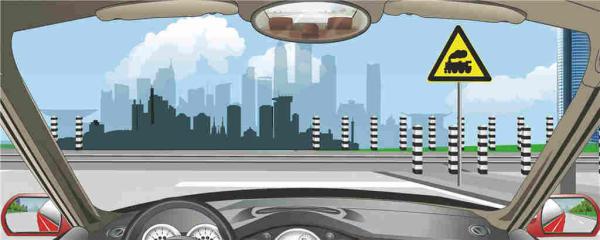
A. Right
B. Wrong
Answer: B
15. If a motor vehicle enters a driving lane under this situation, what should the driver do?
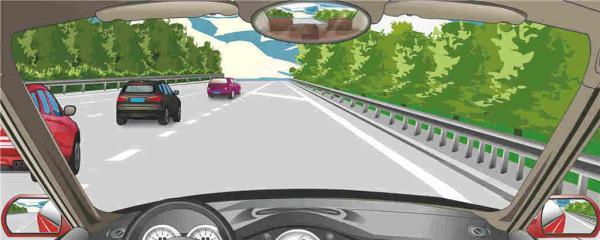
A. Control the driving speed and follow the last vehicle
B. Speed up and cut in front of the second vehicle
C. Speed up and cut in front of the first vehicle
D. Cut in between two vehicles at will
Answer: A
16. When a motor vehicle leaves an expressway, which of the following lamp should be turned on?
A. The left-turn indicator
B. The right-turn indicator
C. The hazard warning lamp
D. The headlamp
Answer: B
17. The broken white line rectangle area on the right side of the road indicates that long stopping is permitted here.
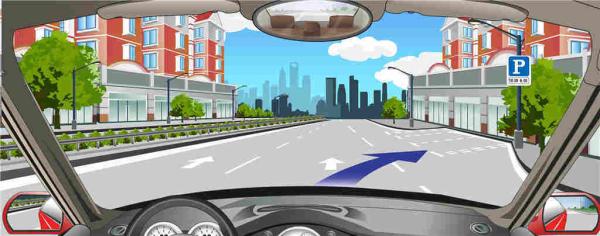
A. Right
B. Wrong
Answer: B
18. As shown in the flash, what should the driver do when the motor vehicle encounters this situation?
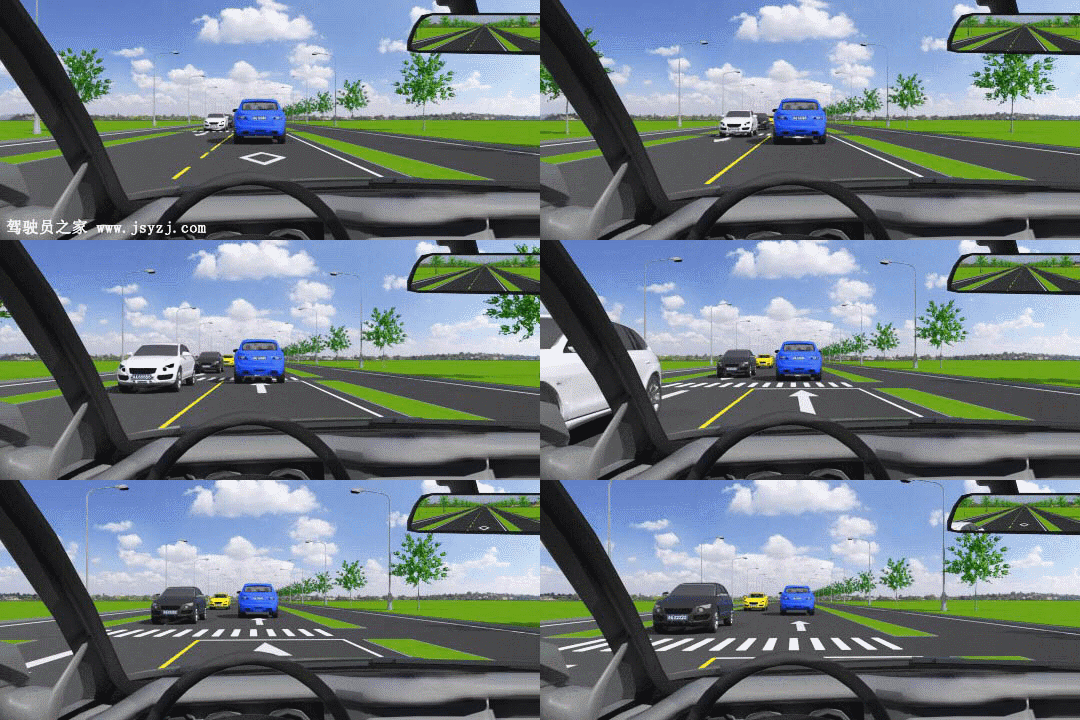
A. Speed up and pass rapidly
B. Stop immediately
C. Sound the horn to indicate the pedestrians to yield
D. Observe the movement of pedestrians and non-motor vehicles before passing
Answer: D
19. When passing a sharp curve, motor vehicle drivers may overtake if there are few other vehicles on the road.
A. Right
B. Wrong
Answer: B
20. When a motor vehicle stops temporarily in a rainy day,which lamp should be turned on?
A. Front and rear fog lamps
B. Hazard lamps
C. Headlamps
D. Reverse lamps
Answer: B