

1. As shown in this picture, the intersection guide line is designed to help drivers make turns.

A. Right
B. Wrong
Answer: A
2. When a front tire bursts, after controlling the driving direction, what should be done by the driver in order to slow down and stop?
A. Immediately change to a high gear
B. Immediately change to a low gear
C. Immediately change to the neutral gear
D. Apply emergency braking
Answer: B
3. Turning on the high-beam is an effective way to improve visibility in fog weather.
A. Right
B. Wrong
Answer: B
4. A correct measure to avoid tire burst of motor vehicles is to lower the tire pressure.
A. Right
B. Wrong
Answer: B
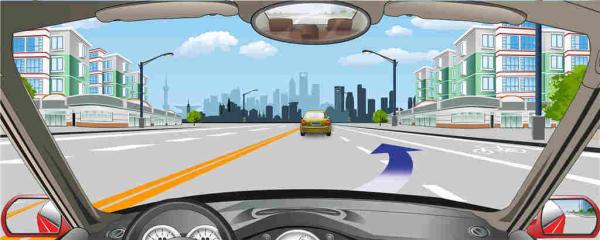
5. The broken white line on the right side of the road indicates that drivers are allowed to change lanes by crossing the line.
A. Right
B. Wrong
Answer: A
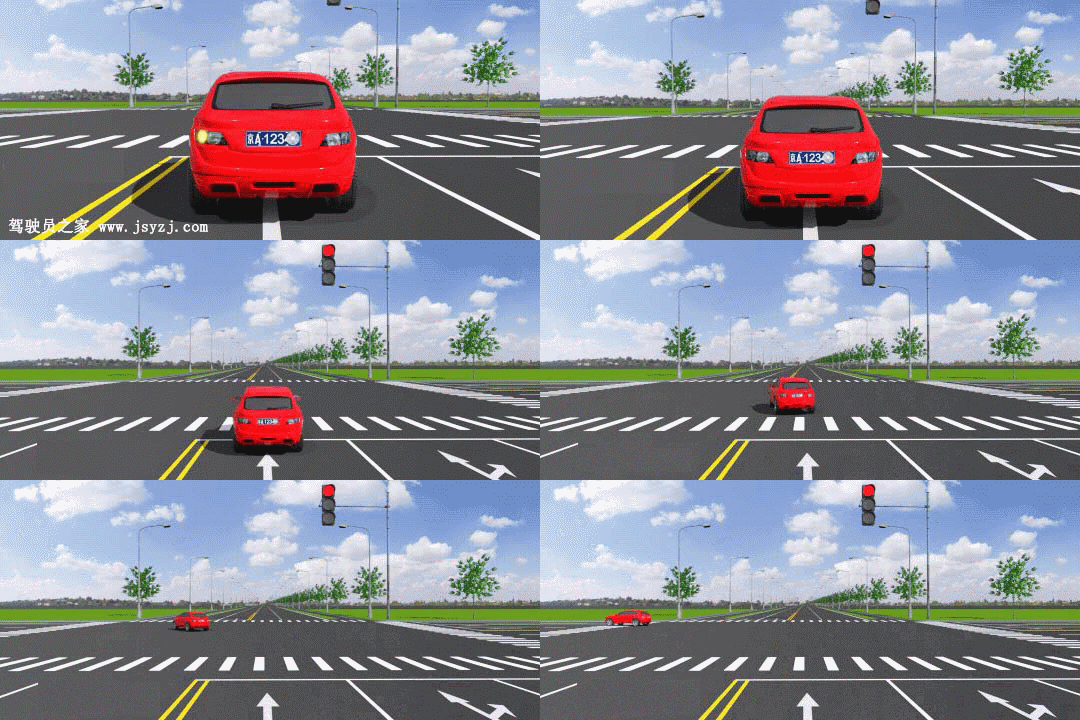
6. How many kinds of law-breaking acts are displayed in flash 4?
A. One
B. Two
C. Three
D. Four
Answer: C
7. What should the driver pay attention to when the motor vehicle passes a school?
A. Observe the traffic signs and markings
B. Slow down and pass slowly
C. Prohibited from sounding the horn
D. Pass rapidly
Answer: ABC
8. What kind of harmful effect will be brought about by continuously using the foot brake on a long downhill road?
A. Shorten the engine?ˉs service life
B. Make the driver feel tired
C. Easily cause the vehicle to overturn
D. Reduce the braking efficiency
Answer: D
9. When driving on a road covered with ice and snow drivers should not use the emergency brake but can apply a sharp turn.
A. Right
B. Wrong
Answer: B
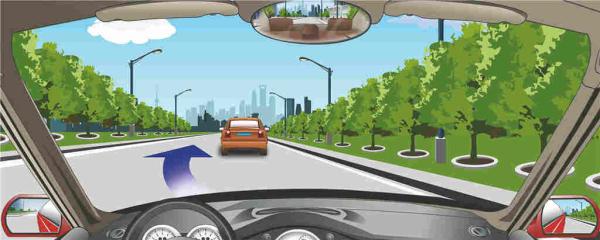
10. Motor vehicles on this kind of road are only allowed to overtake the vehicle in front from left.
A. Right
B. Wrong
Answer: A
11. When the speed indicated by the speed limit sign on the highway contradicts the speed indicated for the specific lanes the speed indicated for the specific lanes should prevail.
A. Right
B. Wrong
Answer: B
12. When rescuing a wounded person suffering from spinal fracture, which of the following measures should be taken?
A. Prevent heat loss
B. Rescue the wounded person with a soft stretcher
C. Keep the wounded part in position with a sling
D. Help the wounded person when walking
Answer: C
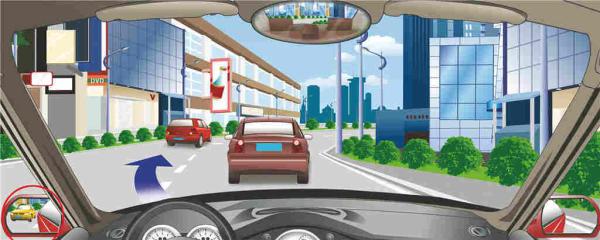
13. When encountering such a situation, the motor vehicle driver should change to the left lane rapidly.
A. Right
B. Wrong
Answer: B
14. When driving on a snowy day, drivers should follow the tracks on the road before them.
A. Right
B. Wrong
Answer: A
15. When driving on an expressway, which of the following statements is not correct?
A. Drivers are not allowed to drive by riding or rolling on the lane dividing line
B. Drivers are prohibited from driving on road shoulders
C. Drivers may overtake on the ramp, the acceleration lane or the deceleration lane
D. Drivers are prohibited from learning to drive
Answer: C
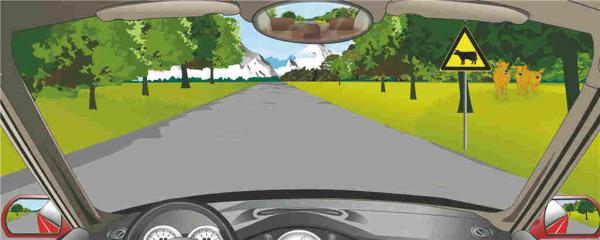
16. The sign on the right warns of a wildlife protection area ahead.
A. Right
B. Wrong
Answer: B
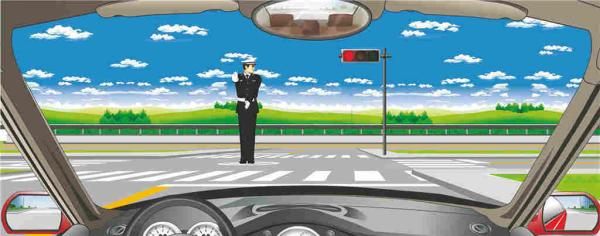
17. Drivers may turn left when traffic police give these hand signals.
A. Right
B. Wrong
Answer: B
18. What should the driver do upon finding a burst rear tire?
A. Adjust by swiftly turning the steering wheel
B. Control the direction while reducing speed slowly
C. Swiftly turn the steering wheel to the opposite direction
D. Swiftly take braking measures
Answer: B
19. When a motor vehicle encounters a group of youngsters bypassing the motor vehicles parking beside the road, the driver should slow down voluntarily and yield.
A. Right
B. Wrong
Answer: A
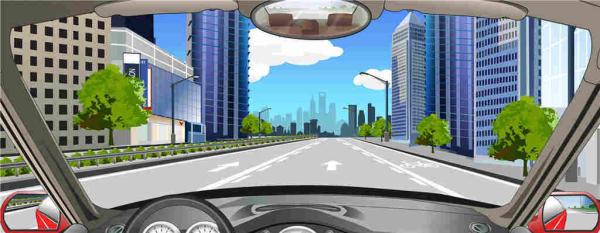
20. The diamond-shaped broken line warns that drivers should drive at a lower speed on the road sections ahead.
A. Right
B. Wrong
Answer: A