

1. When a motor vehicle encounters this situation at a crosswalk, the driver must slow down and pass slowly.
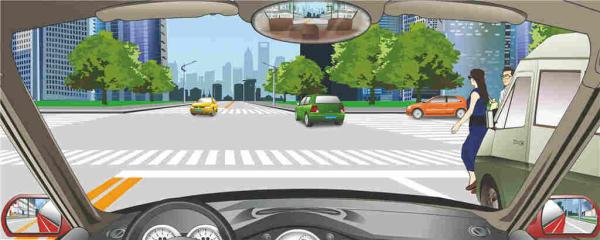
A. Right
B. Wrong
Answer: B
2. When driving in a heavy rain, drivers should contro their speed to prevent their vehicles from sliding.
A. Right
B. Wrong
Answer: A
3. Motor vehicle drivers are allowed to overtake on this road section.
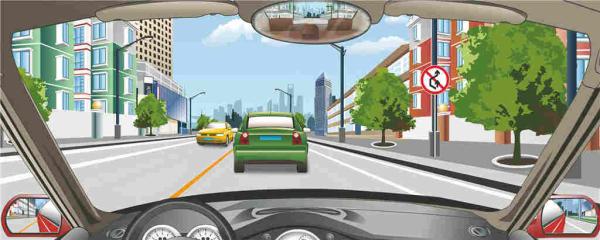
A. Right
B. Wrong
Answer: B
4. Sounding the horn on a foggy day can arouse the attention of the opposite side. After hearing the horn from the opposite side, the driver should also sound their own horn to respond.
A. Right
B. Wrong
Answer: A
5. Having driven his vehicle at 110km/hour on an urban road, Mr. Lin is trying to leave the scene after a rear-end collision but is held back by bystanders. The alcohol concentration in his blood, tested in an alcohol test by the traffic police, is 135.8mg per hundred milliliters. Which of the following law-breaking acts did Mr. Lin commit?
A. Drunk driving
B. Speeding
C. Fatigued driving
D. Hit-and-run driving
Answer: ABD
6. When encountering this situation at the gate of a school, the driver should prepare to stop.
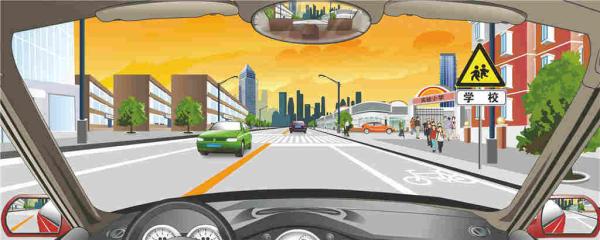
A. Right
B. Wrong
Answer: A
7. When rescuing a wounded person who has been poisoned by toxic gas, the first measure is to send him to a place with fresh air so that he will not continue to be poisoned.
A. Right
B. Wrong
Answer: A
8. After a motor vehicle falls into water, the driver should immediately close the windows to prevent water from flowing into the compartment and to keep the air from flowing out. At the same time, he/she should make calls to tell the rescue personnel the place of the accident and wait for their arrival.
A. Right
B. Wrong
Answer: B
9. The cross-hatched marking indicates an area where vehicle drivers are allowed to stop and wait.
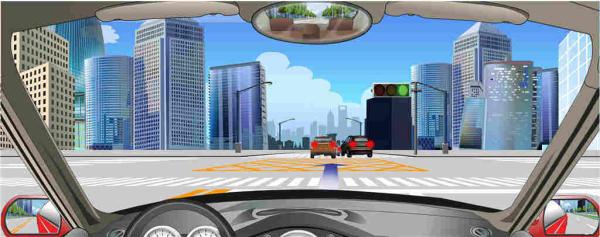
A. Right
B. Wrong
Answer: B
10. The sign on the right warns of an abrupt slope section ahead.
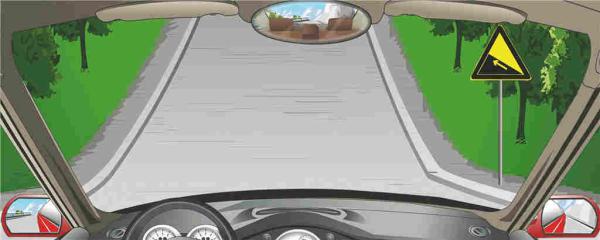
A. Right
B. Wrong
Answer: A
11. These traffic police signals indicate that passing is prohibited.
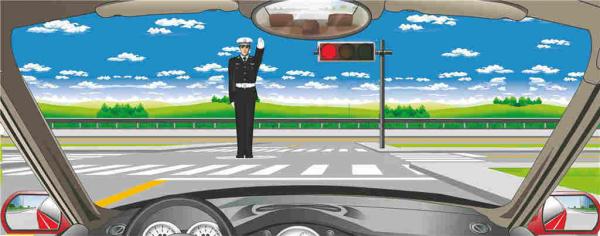
A. Right
B. Wrong
Answer: A
12. When a motor vehicle deviates from the normal direction due to steering failure, what should the driver do?
A. Immediately steer and adjust
B. Reduce speed and stop the vehicle as early as possible
C. Steer to the side where there is no obstacle to evade
D. Steer to the side where there is an obstacle to evade
Answer: B
13. When there is bleeding at the bone fracture of a wounded person, the first thing to do is to keep it in position before stopping the bleeding and dress the wound.
A. Right
B. Wrong
Answer: B
14. When a motor vehicle catches fire, the driver should manage to park the vehicle in an open place far away from urban areas, buildings, trees, other motor vehicles and flammable materials.
A. Right
B. Wrong
Answer: A
15. When encountering an emergency on a highway, the driver should not drastically turn to evade.
A. Right
B. Wrong
Answer: A
16. What should the driver do when the motor vehicle counters this situation?
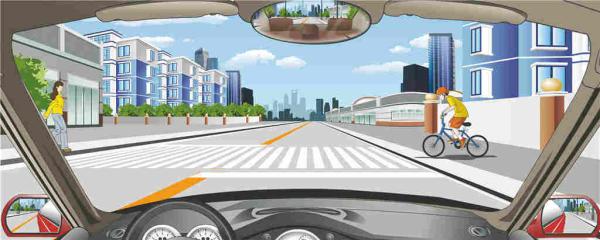
A. Sound the horn continuously to warn
B. Speed up and bypass from the front
C. Slow down when encountering any risks
D. Slow down voluntarily and yield
Answer: D
17. The sign on the left indicates no U-turn at the intersection ahead.

A. Right
B. Wrong
Answer: A
18. The sign on the right warns of a winding road to the left ahead.
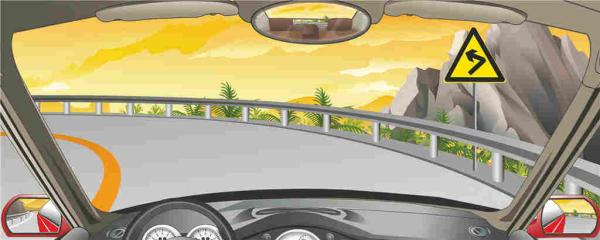
A. Right
B. Wrong
Answer: B
19. Driving and smoking has no negative effect on safe driving
A. Right
B. Wrong
Answer: B
20. When a motor vehicle passes over an overflowing bridge, what should the driver do after stopping and observing closely?
A. Change to a high gear and pass rapidly
B. Constantly observe the changes of the flow
C. Prepare to stop at any time
D. Change to a low gear and pass through at a constant speed
Answer: D