

1. After a motor vehicle enters the ramp from an expressway, it should reduce its speed below the prescribed speed limit.
A. Right
B. Wrong
Answer: A
2. How many kinds of law-breaking acts are displayed in flash 1?
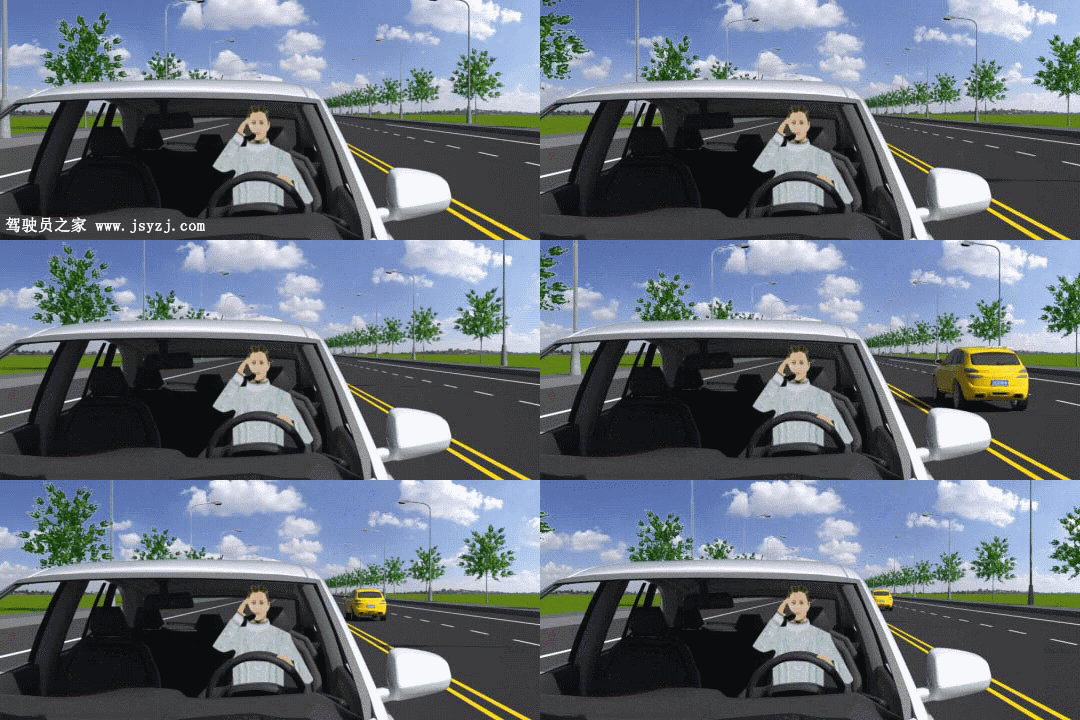
A. One
B. Two
C. Three
D. Four
Answer: B
3. When encountering such pedestrians, what should motor vehicle drivers do?
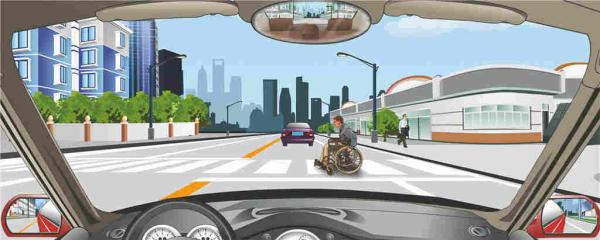
A. Bypass in front of the pedestrians
B. Bypass from behind the pedestrians
C. Sound the horn to alert the pedestrians
D. Voluntarily stop and yield
Answer: D
4. Motor vehicles are not allowed to stop in this area for a long time.
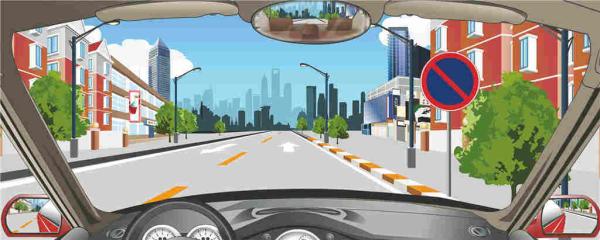
A. Right
B. Wrong
Answer: A
5. Under such circumstances at a congested intersection, what should motor vehicle drivers do?
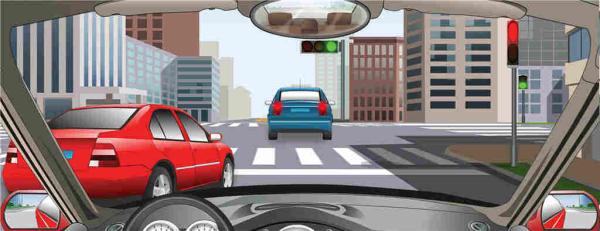
A. Force the vehicle to go back to its original lane
B. Closely follow the vehicle in front and refuse to yield
C. Politely yield and pass through
D. Sound the horn and turn on the head lamps
Answer: C
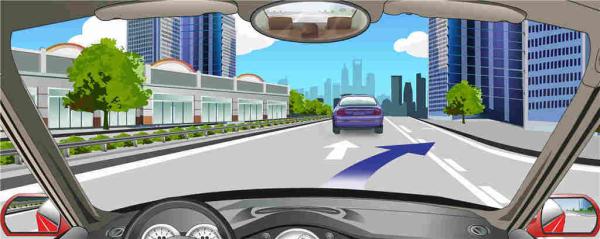
6. The broken and solid white line on the road indicates that crossing is allowed on the solid line side.
A. Right
B. Wrong
Answer: B
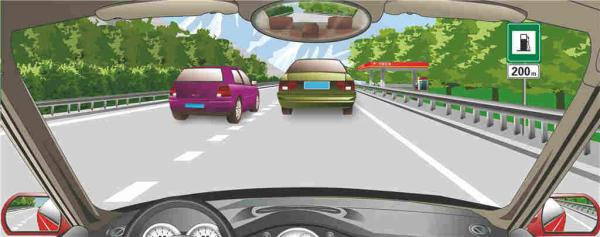
7. The sign on the right indicates a 200-meter distance from the gas station ahead.
A. Right
B. Wrong
Answer: A
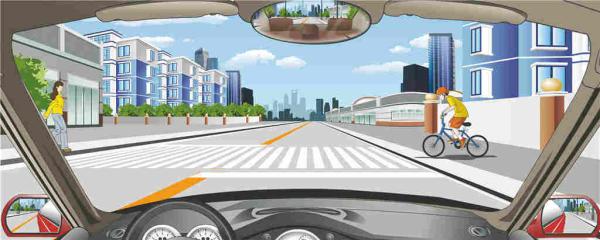
8. What should the driver do when the motor vehicle counters this situation?
A. Sound the horn continuously to warn
B. Speed up and bypass from the front
C. Slow down when encountering any risks
D. Slow down voluntarily and yield
Answer: D
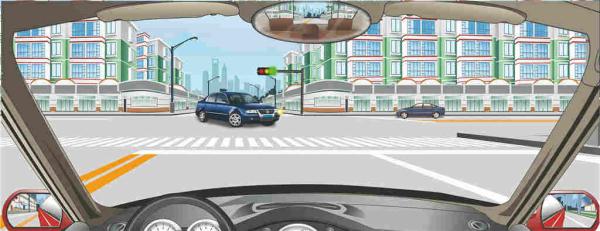
9. The driver may not yield when the motor vehicle encounters this situation at the intersection.
A. Right
B. Wrong
Answer: B
10. The sign on the right warns of a guarded railway crossing 100 meters ahead.

A. Right
B. Wrong
Answer: B
11. When a motor vehicle accidentally hits the guardrail of a highway, an effective protective measure is to turn dramatically in the opposite direction.
A. Right
B. Wrong
Answer: B
12. The right-front sign indicates a time-regulated pedestrian area.
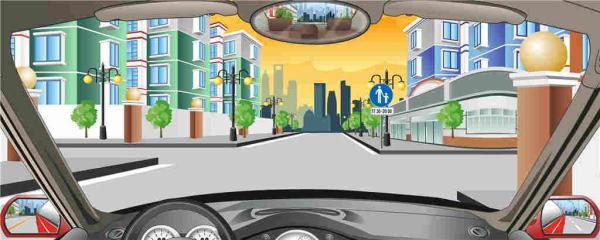
A. Right
B. Wrong
Answer: A
13. As shown in the flash, what should the motor vehicle driver do when encountering this situation?
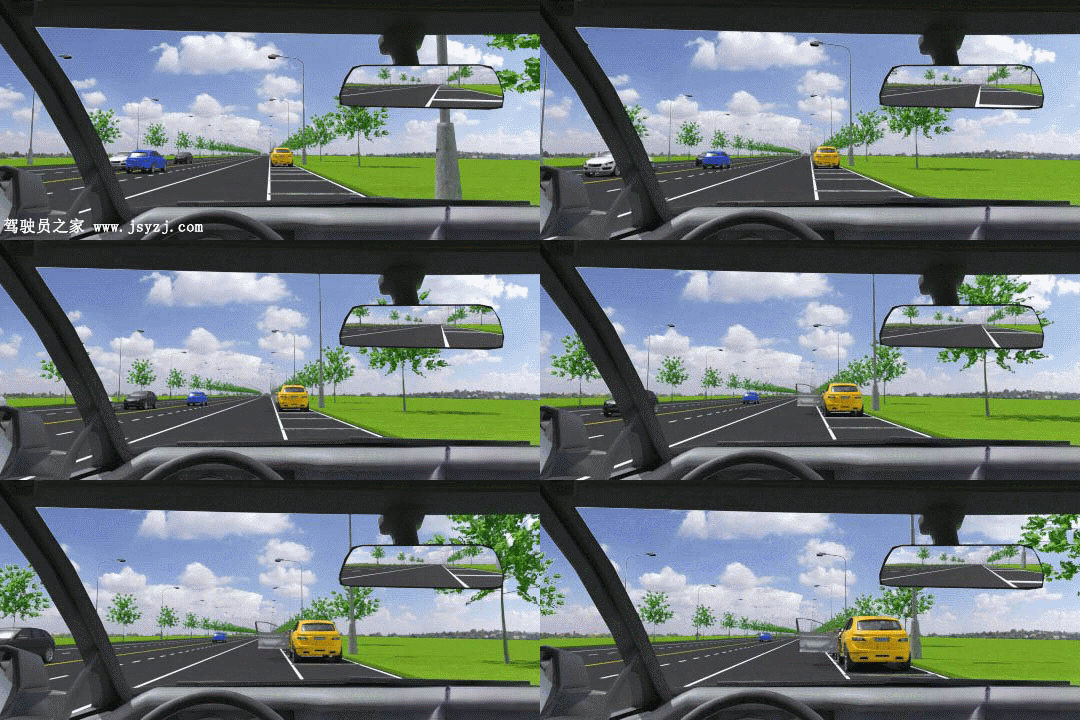
A. Reserve a safe crosswise distance and cut speed
B. Keep a normal speed
C. Use the emergency brake when approaching
D. Speed up and pass rapidly
Answer: A
14. Under such circumstances, what should the motor vehicle driver do?
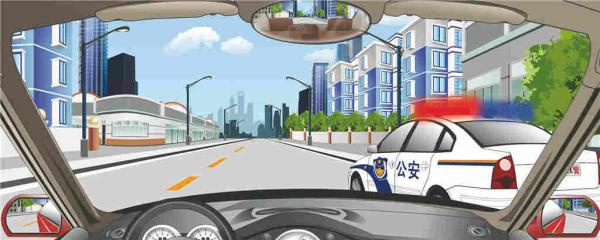
A. Reduce speed and yield by the left side
B. Reduce speed and yield by the right side
C. Speed up and yield by the left side
D. Go ahead along the original route
Answer: A
15. The driver should turn on the left-turn indicator after entering the acceleration lane on an expressway.
A. Right
B. Wrong
Answer: B
16. Which of the following is a safe way for motor vehicles to pass the intersection marked with this sign?

A. Stop and observe the traffic situation around the intersection
B. Approach the intersection by speeding up
C. Observe the traffic situation on the left rear side
D. Approach the intersection at a reduced speed
Answer: D
17. When parking for a long time on an upward slope due to breakdown on the road, drivers should use this method to stop up wheels.
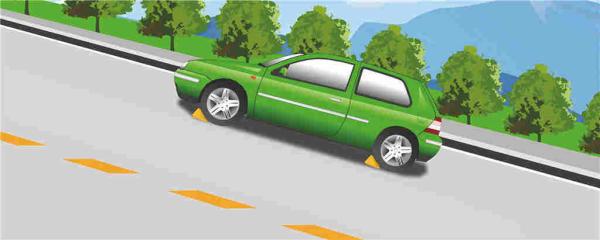
A. Right
B. Wrong
Answer: B
18. Driving and smoking has no negative effect on safe driving
A. Right
B. Wrong
Answer: B
19. When the wounded person is suffering main artery bleeding, where should the rescue personnel press by thumb to stop the bleeding?
A. The artery near the heart
B. The artery lower to the wound
C. The artery further from the heart
D. The artery in the center of the wound
Answer: A
20. As shown in the flash, the motor vehicle chooses a correct way to pass through the level crossing.

A. Right
B. Wrong
Answer: A