

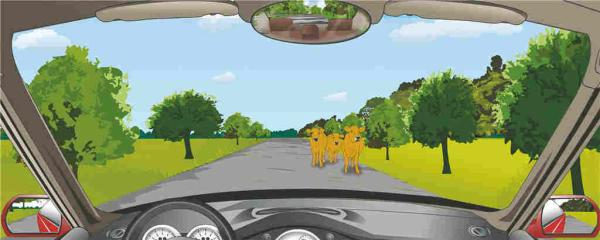
1. When driving on this section of the road, drivers should observe closely and prepare to yield to the animals crossing the road.
A. Right
B. Wrong
Answer: A
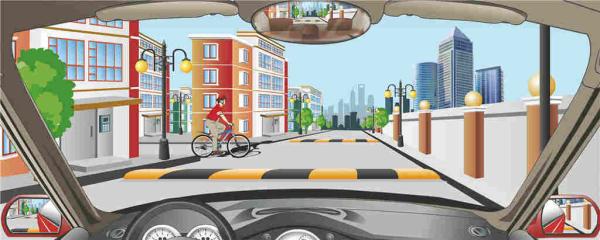
2. When encountering this situation in a residential area the driver should speed up and pass in front of the bicycle.
A. Right
B. Wrong
Answer: B
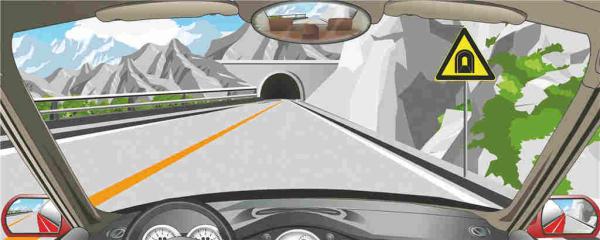
3. The sign on the right warns of a one-way tunnel ahead.
A. Right
B. Wrong
Answer: B
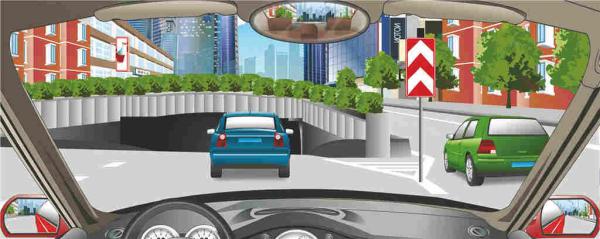
4. The sign on the right warns of no passing on either side of the road ahead.
A. Right
B. Wrong
Answer: B
5. In which of the following ways can motor vehicles avoid a tire burst?
A. Lowering tire pressure
B. Checking tires regularly
C. Removing foreign matters from the tire tread grooves timely
D. Replacing the tires that have cracks or deep cuts
Answer: BCD
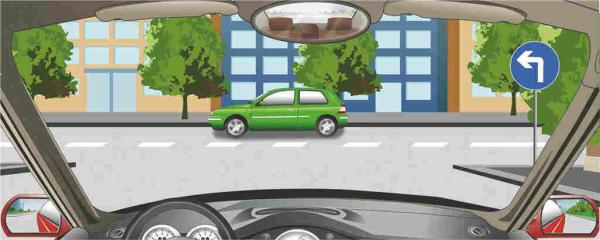
6. The sign on the right indicates left turn only at the intersection ahead.
A. Right
B. Wrong
Answer: A
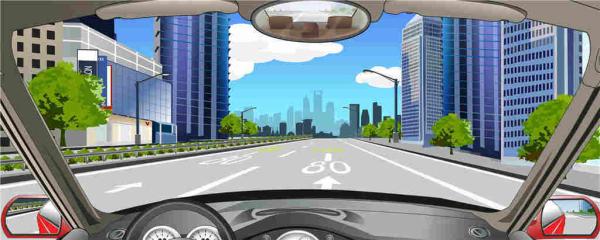
7. The marking on the road surface indicates that the speed limit of this road section is 80 km/hour.
A. Right
B. Wrong
Answer: B
8. Which one of the following is the safest way when driving a motor vehicle on this road?
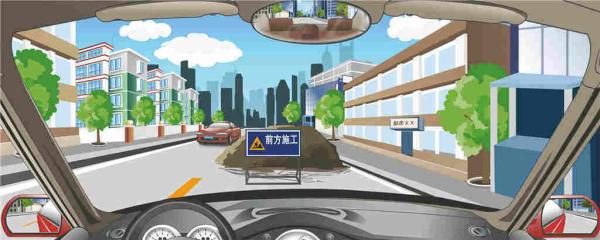
A. Speed up and bypass the obstacle
B. Take the opposite lane and compel the other vehicle to yield
C. Stop and yield to the oncoming vehicle
D. Sound the horn or turn on the headlamp
Answer: C
9. When there is a braking failure on a downhill road, if there is no other alternative, the driver may rub the vehicle body against the rocks and trees on roadside to force the vehicle to slow down and stop.
A. Right
B. Wrong
Answer: A
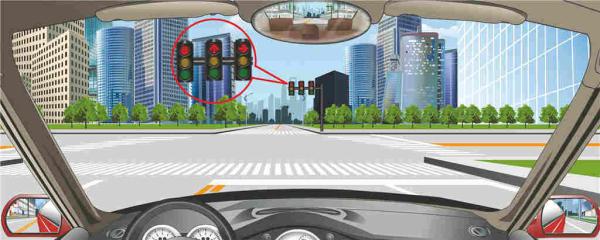
10. At this intersection, motor vehicle drivers may directly make a U-turn along the U-turn turning lane.
A. Right
B. Wrong
Answer: B
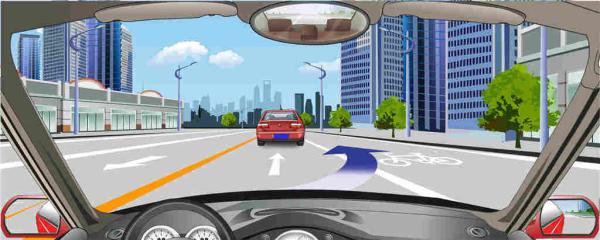
11. The road marker on the right side indicates that drivers may overtake by borrowing this road.
A. Right
B. Wrong
Answer: B
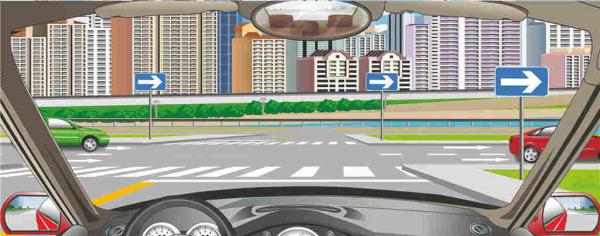
12. The sign in front indicates a one-way lane after turning right.
A. Right
B. Wrong
Answer: A
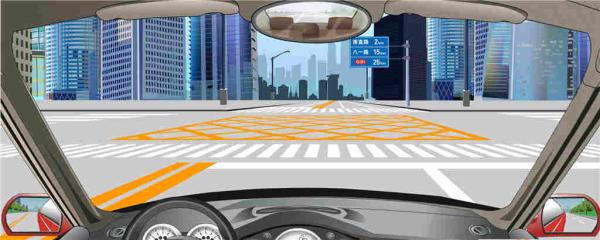
13. The sign in front is an advance announcement of famous places and distances en route.
A. Right
B. Wrong
Answer: A
14. When the wounded person is suffering main artery bleeding, where should the rescue personnel press by thumb to stop the bleeding?
A. The artery near the heart
B. The artery lower to the wound
C. The artery further from the heart
D. The artery in the center of the wound
Answer: A
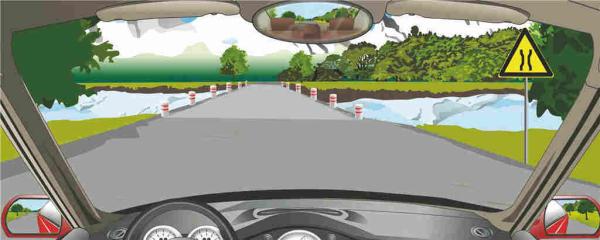
15. The sign on the right warns of a narrowed road on both sides ahead.
A. Right
B. Wrong
Answer: B
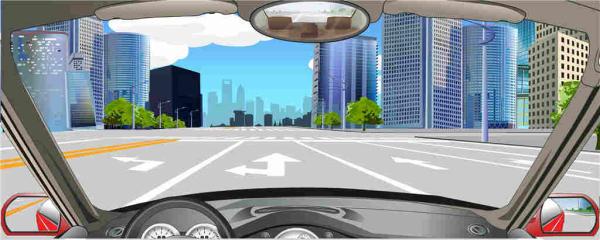
16. The guide arrow on the road surface of this lane indicates that drivers are only permitted to continue straight at the intersection ahead.
A. Right
B. Wrong
Answer: B
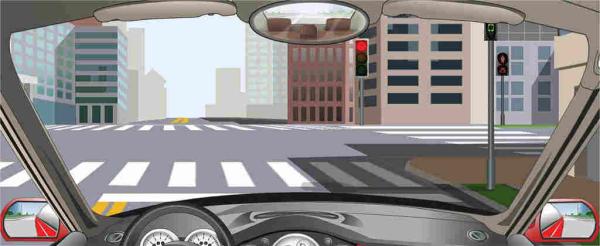
17. Motor vehicles can turn right when driving into an intersection with this traffic signal.
A. Right
B. Wrong
Answer: A
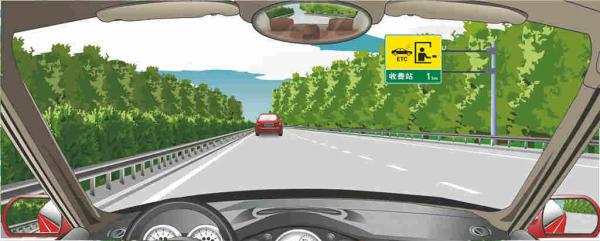
18. The sign on the right indicates a one-kilometer distance from the ETC toll station.
A. Right
B. Wrong
Answer: A
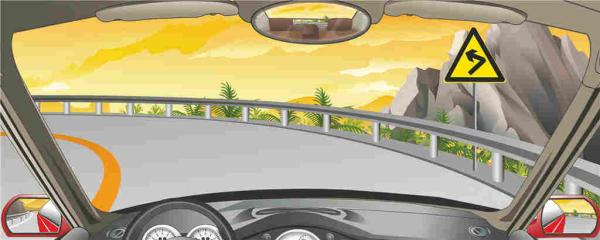
19. The sign on the right warns of a winding road to the left ahead.
A. Right
B. Wrong
Answer: B
20. Mr. Shi drove a low-speed cargo vehicle (capacity 1.2 tons)with 4.05 tons of cargo. At the spot of 51 kilometers mark by 260 meters on the No. 314 County Road in Ningjin County, the cargo vehicle had a head-on collision with a normally running midsize bus( capacity 11 people and carrying12) from the opposite direction after passing the central line of the road and overtaking the front vehicle in the same direction. As a result of this accident, 10 people were killed and 2 injured. What are the illegal acts in this case?
A. The cargo vehicle carried more cargo than capacity
B. The cargo vehicle illegally overtook other vehicles
C. The bus carried more passengers than capacity
D. The driver of the bus kept driving when tired
Answer: ABC