

1. Mr. Yang drove an adapted minibus (capacity 9 people and carrying 64 passengers, including 62 kindergarten pupils). When driving in Ma Caogou Village of Yu Linzi County, the bus used the lane for oncoming traffic and had a head-on colision with a heavy dump truck. As a result of this accident, 22 people were killed and 44 injured. What are the main illegal acts in this case?
A. The truck exceeded the speed limit
B. Illegal adaptation of a motor vehicle
C. The minibus carried more passengers than capacity
D. Driving in the opposite direction lane
Answer: BCD
2. Mr. Zou drove a large sleeper coach (capacity 35 people and carrying 47 passengers). At the spot of 938 kilometers of the Jinggang ao Expressway, large amounts of dangerous chemicals in the coach blew up, killing 41 people and injuring 6. What are the main illegal acts in this case?
A. Carrying more passengers than permitted
B. Passengers carried flammable and explosive substances
C. Speeding
D. Illegal parking
Answer: AB
3. What should the driver do if he wants to turn left at this intersection?
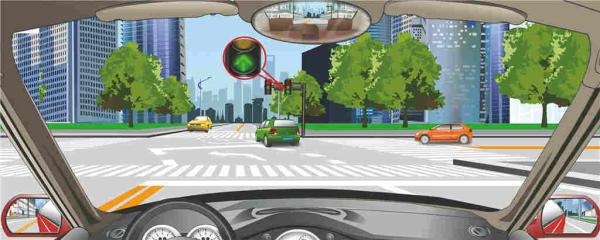
A. Turn left along the straight-going lane
B. Enter the left turn waiting area
C. Enter the straight-moving waiting area
D. Turn left along the left lane
Answer: B
4. The sign on the right side warns of crosswind on the mountain pass ahead.
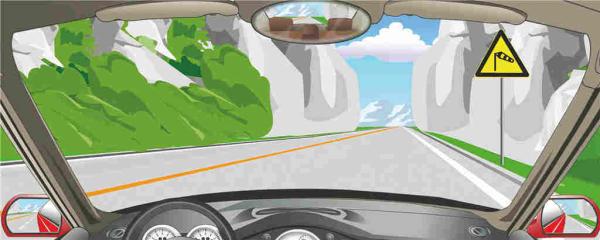
A. Right
B. Wrong
Answer: A
5. When approaching the turning point of a road, in which of the following ways will motor vehicle drivers easily cause a traffic accident?
A. Driving ahead by occupying the opposite lane
B. Turning the steering wheel quickly when passing through the curve
C. Not reducing speed until driving onto the curve
D. Driving by the right side
Answer: ABC
6. When such circumstances happen suddenly, what should the driver do?

A. Reduce speed or stop to yield
B. Bypass in front of the pedestrians
C. Continuously sound the horn to alert the pedestrians
D. Bypass from behind the pedestrians
Answer: A
7. The sign on the right indicates a 200-meter distance from the gas station ahead.
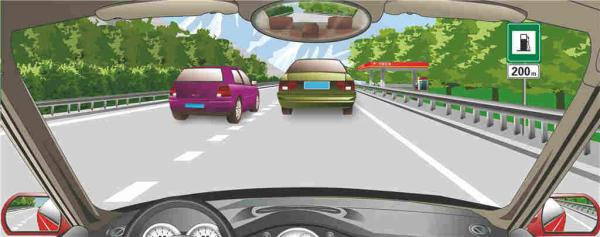
A. Right
B. Wrong
Answer: A
8. When the windscreen of a motor vehicle on the highway is cracked by flying rocks or debris which makes visibility poor, the driver should reduce speed gradually, turn on the hazard warning lamps, drive to a place where it will not obstruct the traffic flow and stop there.
A. Right
B. Wrong
Answer: A
9. When a motor vehicle has deviated from the straight moving direction and an accident is unavoidable, the driver should decisively and continuously depress the brake pedal so as to shorten the stopping distance and reduce the impact of vehicle collision.
A. Right
B. Wrong
Answer: A
10. After entering the acceleration lane of an expressway, the driver should increase the speed to how many kilometers per hour?
A. More than 30 km/hour
B. More than 40 km/hour
C. More than 50 km/hour
D. More than 60 km/hour
Answer: D
11. When driving on a muddy road, what should the driver do?
A. Try to avoid using the foot brake
B. Drive slowly in mid or low gear
C. Firmly hold the steering wheel
D. Speed up and pass through
Answer: ABC
12. When the wounded person is suffering main artery bleeding, where should the rescue personnel press by thumb to stop the bleeding?
A. The artery near the heart
B. The artery lower to the wound
C. The artery further from the heart
D. The artery in the center of the wound
Answer: A
13. How many kinds of law-breaking acts are displayed in flash 3?
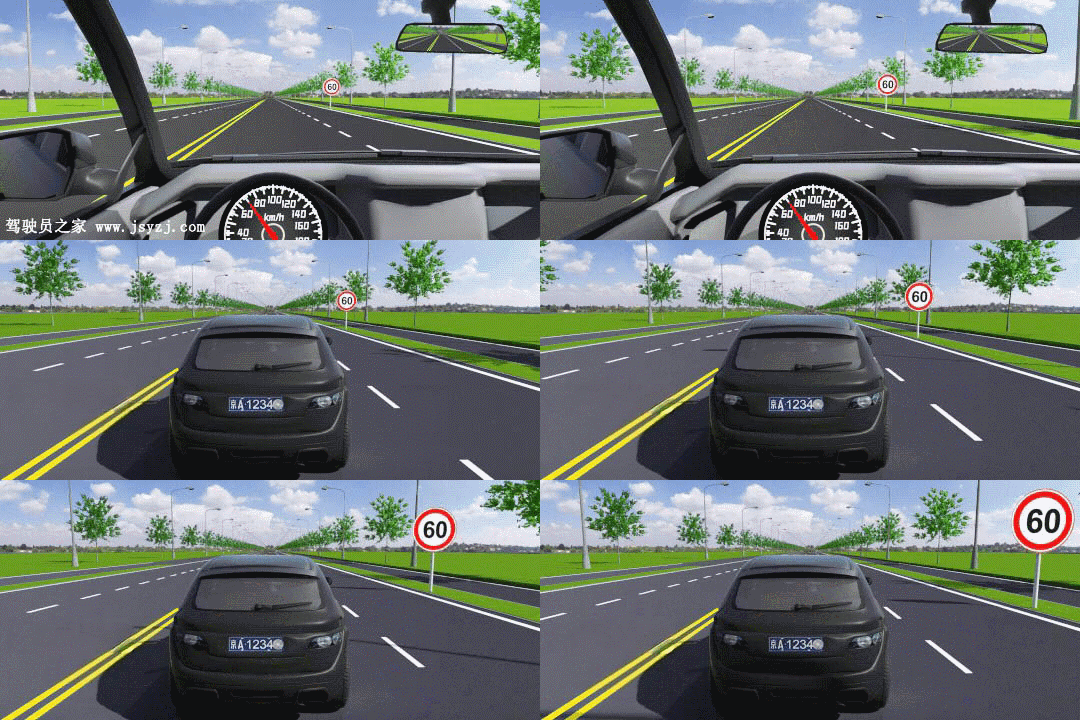
A. One
B. Two
C. Three
D. Four
Answer: B
14. Which one of the following statements is correct in this situation?
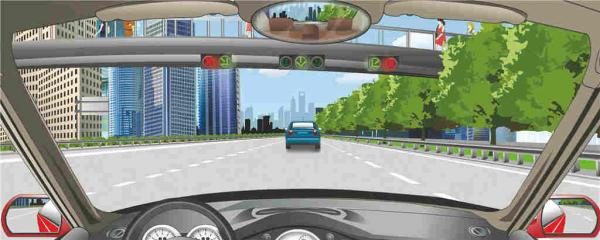
A. Vehicles are prohibited from passing in the lanes on either side
B. Move into the lane on either side at a reduced speed
C. Move into the lane on the right side
D. Move into the lane on either side at an increased speed
Answer: A
15. Motor vehicle drivers should rush to the top of the slope in this situation.
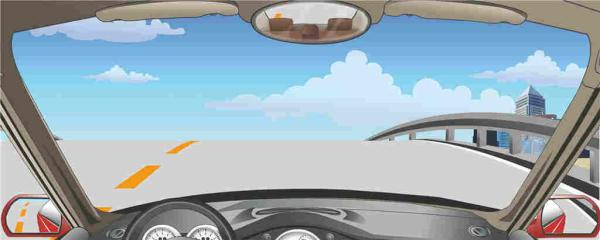
A. Right
B. Wrong
Answer: B
16. The sign on the right indicates a bypass route at the intersection ahead.
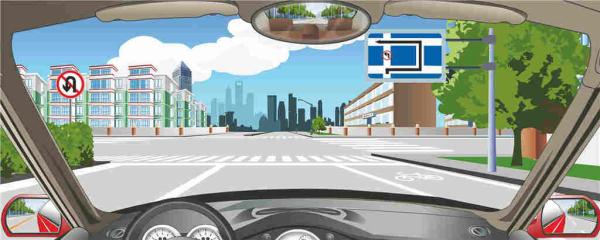
A. Right
B. Wrong
Answer: A
17. When driving a motor vehicle equipped with power steering, the driver should firmly hold the steering wheel and drive slowly if he suddenly finds that steering is difficult.
A. Right
B. Wrong
Answer: B
18. What does this sign on the fly-over junction indicate?
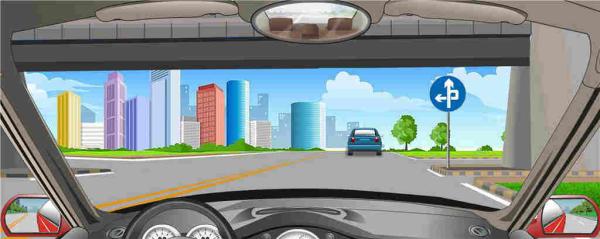
A. Turn right
B. Drive straight or turn left
C. Drive straight or turn right
D. Take a U-turn under bridge
Answer: B
19. When driving on a road covered with ice and snow, drivers tend to encounter glare caused by reflection of light rays from the road surface.
A. Right
B. Wrong
Answer: A
20. What should a driver do when the engine stalls suddenly on the road?
A. Apply emergency braking to stop the vehicle
B. Slow down and stop the vehicle
C. Change to neutral gear and coast
D. Shut down the ignition switch
Answer: B