

1. Motor vehicles are prohibited from stopping on the ramp of an expressway.
A. Right
B. Wrong
Answer: A
2. Under this circumstance, motor vehicle drivers should give the right of way to oncoming vehicle.

A. Right
B. Wrong
Answer: A
3. The guide arrow on the road surface of this lane indicates that there is an intersection on the right side of the road.
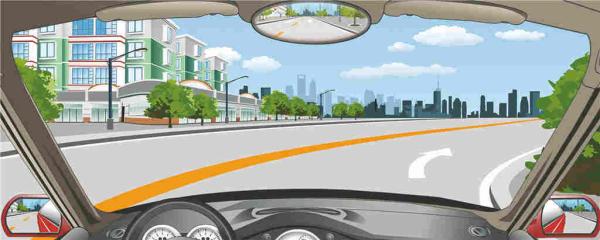
A. Right
B. Wrong
Answer: B
4. When a gas tanker is leaking heavily, which of the following measures is wrong?
A. Cut off the power
B. Wear gas mask and protect gloves
C. Turn off the valve to stop leaking
D. Evacuate people to the leeward side
Answer: D
5. Motor vehicles are prohibited from driving straight or turning left in this situation.
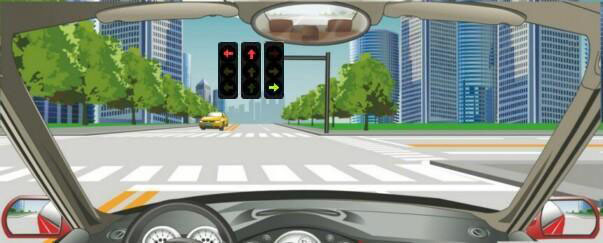
A. Right
B. Wrong
Answer: A
6. The sign on the right warns of a wildlife protection area ahead.
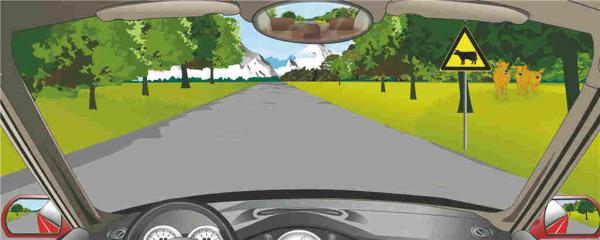
A. Right
B. Wrong
Answer: B
7. When a motor vehicle encounters an emergency on an expressway, the driver should not swiftly turn the steering wheel to evade.
A. Right
B. Wrong
Answer: A
8. What should be done by drivers in order to drive safely on the road in this condition?
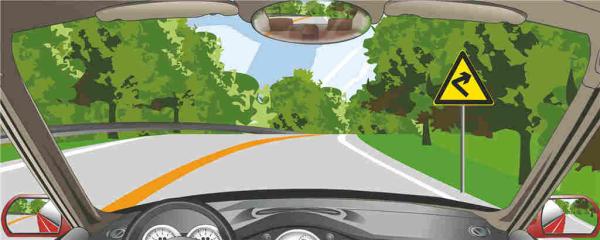
A. Make a large turn on the left side of the road
B. Make a turn on the central line of the curve
C. Make a small turn on the right side of the road
D. Make a turn by borrowing the opposite lane
Answer: C
9. Motor vehicles should stop and wait when encountering two red lights flashing alternately at level crossings.
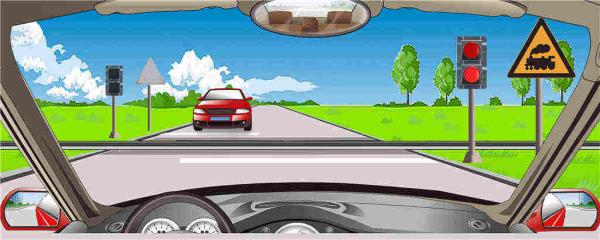
A. Right
B. Wrong
Answer: A
10. When a collision occurs on the passenger seat side or the impact is relatively small, which of the following methods is incorrect?
A. Firmly holding the steering wheel
B. Stretching both feet forward
C. Jumping out of the vehicle from one side
D. Leaning body backwards against the seat
Answer: C
11. When a motor vehicle breaks down and cannot be moved away from the emergency lane or the road shoulder, the driver and all passengers should get off the vehicle and wait on the road side instead of leaving the expressway.
A. Right
B. Wrong
Answer: B
12. After setting off from a roadside, motor vehicle drivers should watch both sides of the road, turn left and drive into the normal lane slowly.
A. Right
B. Wrong
Answer: A
13. The broken white reflective line on the road warns that drivers should drive at a lower speed on the road section ahead.
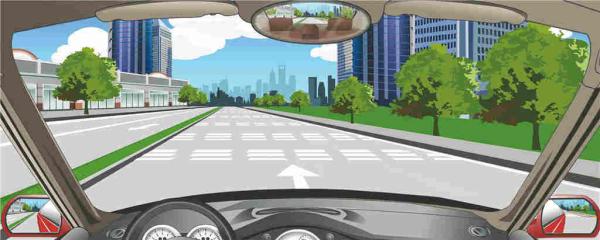
A. Right
B. Wrong
Answer: A
14. The broken yellow line in the center of the road indicates that bypassing by crossing the line is prohibited in any condition.
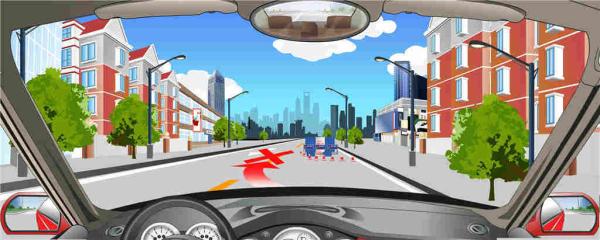
A. Right
B. Wrong
Answer: B
15. As shown in this picture, the intersection guide line is designed to help drivers make turns.
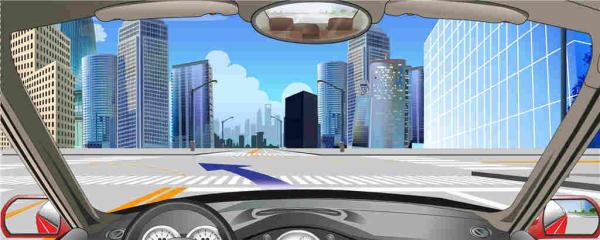
A. Right
B. Wrong
Answer: A
16. The cross-hatched marking indicates an area where vehicle drivers are not allowed to stop.
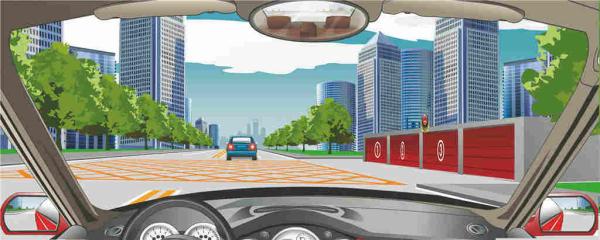
A. Right
B. Wrong
Answer: A
17. The sign on the left indicates the destinations of two highway directions
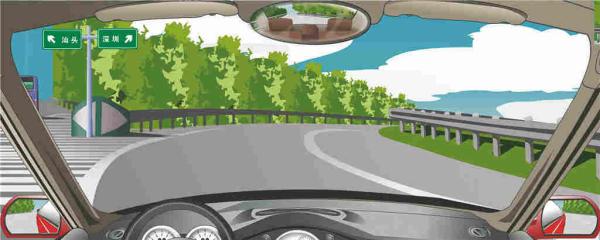
A. Right
B. Wrong
Answer: A
18. What should the driver do when the motor vehicle passes the level crossing?
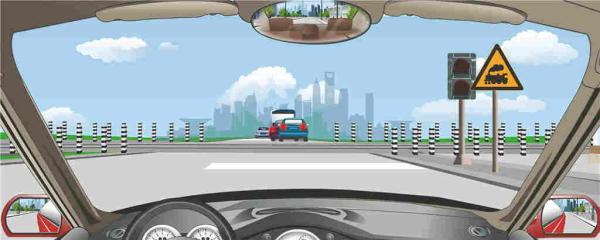
A. Change to neutral gear and slide over
B. Stop, look and pass
C. Speed up, look and pass rapidly
D. Slow down, look and pass slowly
Answer: B
19. In which ones of the following ways can motor vehicle drivers effectively prevent braking failure?
A. Maintaining the braking system periodically
B. Checking the free brake pedal travel before driving
C. Using the braking system correctly to avoid brake-fade
D. For vehicles with hydraulic braking system, checking if the brake fluid leaks before driving
Answer: ABCD
20. When going straight or turning right, drivers are not allowed to drive on or across the guide lines on both sides of the intersection.
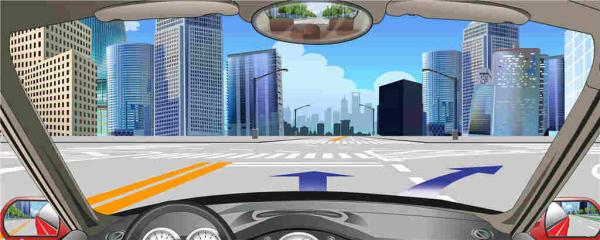
A. Right
B. Wrong
Answer: A