

1. When the engine suddenly stalls on the road, what should the driver do?
A. Stop the vehicle and overhaul it immediately
B. Immediately turn on the hazard lamps
C. Move the vehicle to a place where it will not obstruct the traffic flow
D. Set up a breakdown warning sign
Answer: BCD
2. Motor vehicle drivers may reverse at an intersection.
A. Right
B. Wrong
Answer: B
3. The sign on the right indicates a left-turn bypass route at the intersection ahead.
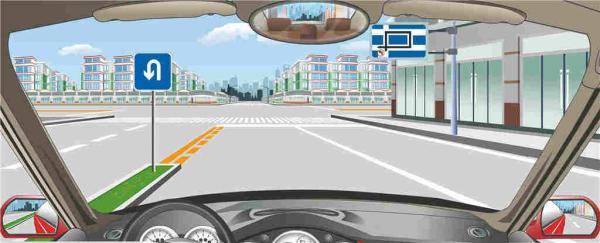
A. Right
B. Wrong
Answer: A
4. The sign on the right side warns of a sharp right turn ahead.
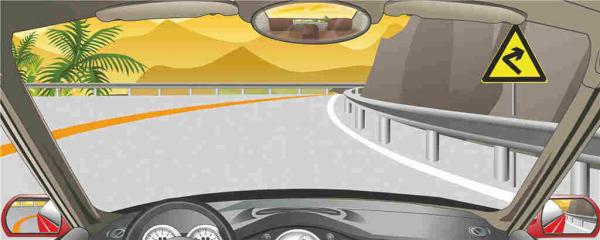
A. Right
B. Wrong
Answer: A
5. What should be done by motor vehicle drivers in order to yield politely to such pedestrians?
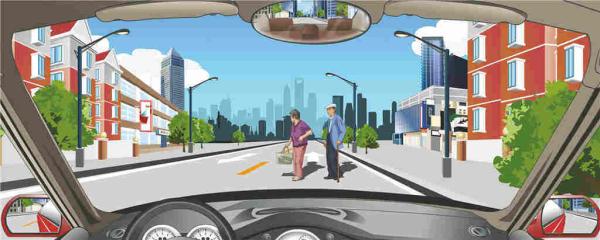
A. Speed up and bypass in front of the pedestrians
B. Speed up and bypass from behind the pedestrians
C. Reduce speed or stop to yield
D. Continuously sound the horn to alert the pedestrians
Answer: C
6. The signs on each side warn of changes in road alignment ahead.
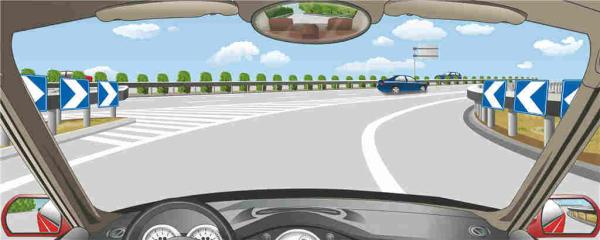
A. Right
B. Wrong
Answer: A
7. Which of the following is an inflammable solid material?
A. Matches
B. Gun powder
C. Calcium carbide
D. Explosives
Answer: A
8. Which one of the following statements is correct in this situation?
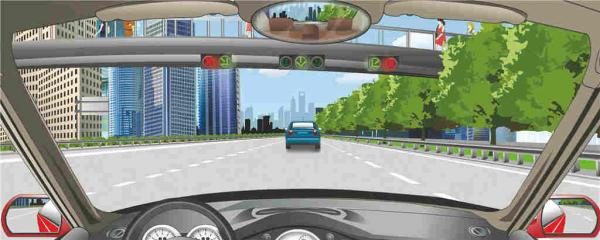
A. Vehicles are prohibited from passing in the lanes on either side
B. Move into the lane on either side at a reduced speed
C. Move into the lane on the right side
D. Move into the lane on either side at an increased speed
Answer: A
9. Driving and smoking has no negative effect on safe driving
A. Right
B. Wrong
Answer: B
10. Which one of the following vehicle types is not allowed to pass, as indicated by the right-hand sign?
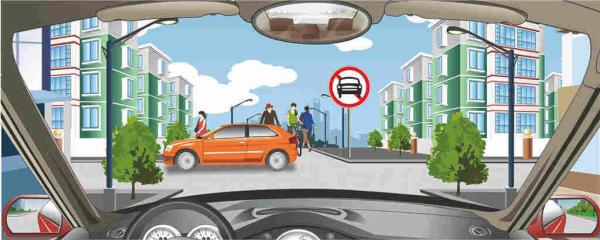
A. Large trucks
B. Large buses
C. Motor vehicles of all kinds
D. Small vans
Answer: C
11. The broken white reflective line on the road warns that drivers should drive at a lower speed on the road section ahead.
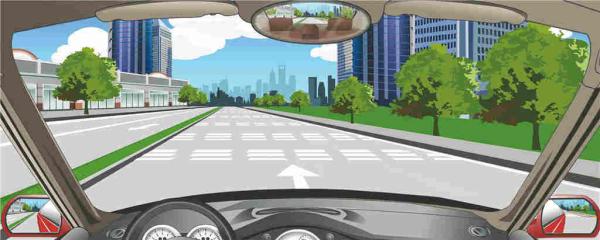
A. Right
B. Wrong
Answer: A
12. When extinguishing fire, the synthetic-made garments should not be taken off in order to protect the exposed skin from burning.
A. Right
B. Wrong
Answer: B
13. Having driven a large passenger vehicle (carrying 44 passengers, permitted carrying capacity 44) equipped with sleepers at 44km/hour on a frozen road, at 58 km mark by 500m on 540 County Road in Yanhe County, Mr. Luo sideslipped and left the road, killing 15 people and injuring 27. Which of the following law-breaking acts did Mr. Luo commit?
A. Exceeding the carrying capacity of the passenger vehicle
B. Speeding
C. Fatigued driving
D. Improper driving
Answer: B
14. When driving in a strong wind, what should the driver do if he feels the steering wheel is suddenly out of control due to the frequent changes in speed and direction of the wind?
A. Turn the steering wheel against the wind
B. Turn the steering wheel with the wind
C. Use emergency brake
D. Firmly hold the steering wheel with both hands
Answer: D
15. Motor vehicles are prohibited from turning left in this situation.
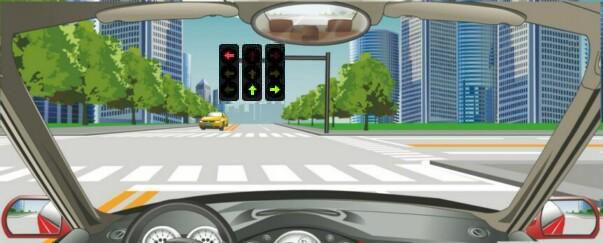
A. Right
B. Wrong
Answer: A
16. The motor vehicle equipped with ABS may sideslip during an emergency brake.
A. Right
B. Wrong
Answer: A
17. Drivers may turn left when traffic police give these hand signals.
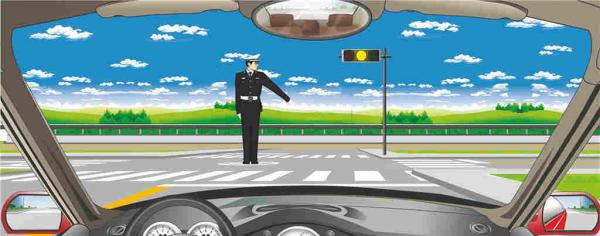
A. Right
B. Wrong
Answer: B
18. How many kinds of law-breaking acts are displayed in flash 6?
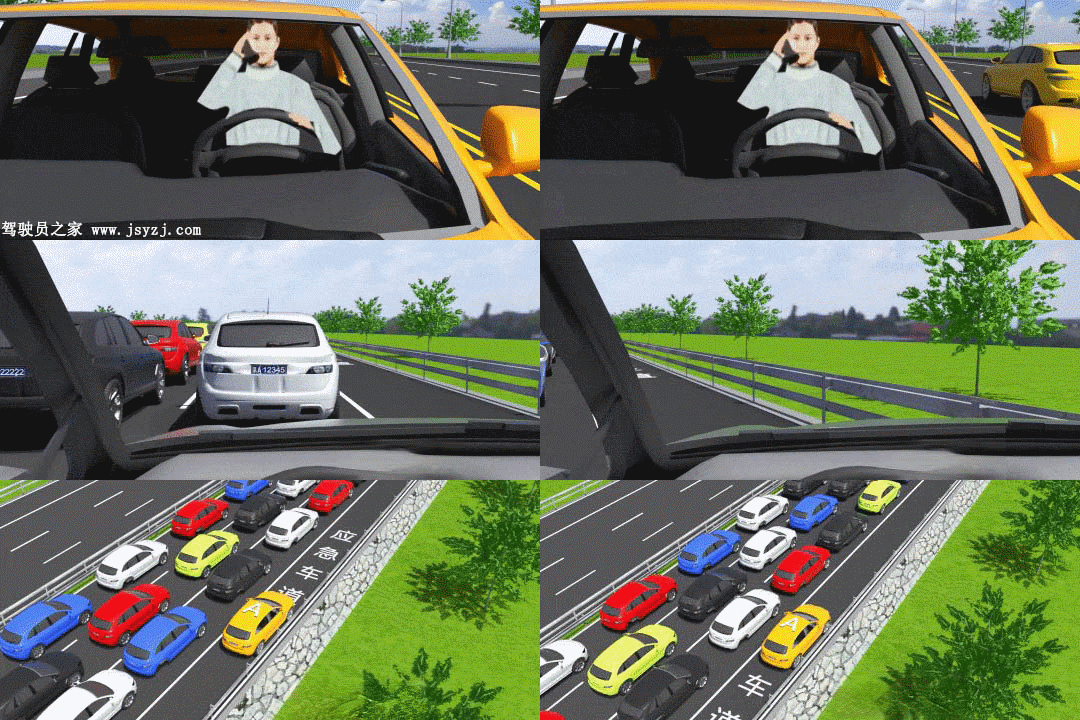
A. One
B. Two
C. Three
D. Four
Answer: C
19. What matters need attention when driving on a rainy day?
A. Avoid using the emergency brake or making sharp turns
B. Keep a safe enough distance
C. Observe the traffic situation of non-motor vehicles and surrounding pedestrians
D. Drive at a safe speed
Answer: ABCD
20. After setting off from a roadside, motor vehicle drivers should watch both sides of the road, turn left and drive into the normal lane slowly.
A. Right
B. Wrong
Answer: A