

1. A motorized vehicle driver who uses falsified and altered vehicle license is subject to a ________.
A. 6-point penalty
B. 3-point penalty
C. 2-point penalty
D. 12-point penalty
Answer: D
2. What does the traffic light mean?
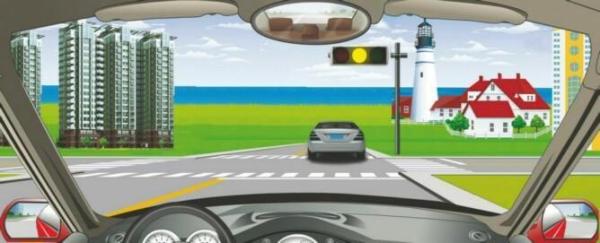
A. no right turn
B. intersection warning
C. going straight is allowed
D. speed up and pass
Answer: B
3. Which lane to choose when turning left in this intersection?
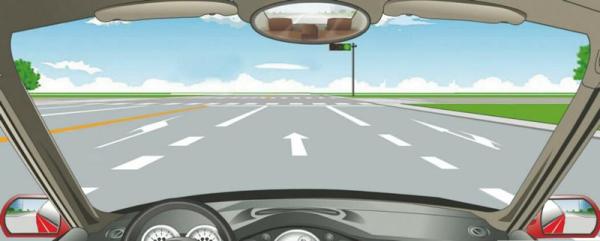
A. the far left lane
B. middle lane
C. not need to change lane
D. the far right lane
Answer: A
4. A vehicle should try to speed up after starting from the roadside and rapidly turn left into the traffic flow on the road.
A. Right
B. Wrong
Answer: B
5. The driver is prohibited from opening the door and letting passengers on and off when a vehicle has not come to a full stop.
A. Right
B. Wrong
Answer: A
6. When encountering a vehicle coming in the opposite direction on a mountain road, the driver should ______ when crossing each other.
A. Not reduce speed
B. Stick to the center of the road
C. Speed up
D. Reduce speed or stop to yield
Answer: D
7. When following a vehicle, the following vehicle may use the high beam light.
A. Right
B. Wrong
Answer: B
8. This set of the hand signals of the traffic police indicates that the vehicles should ___ .
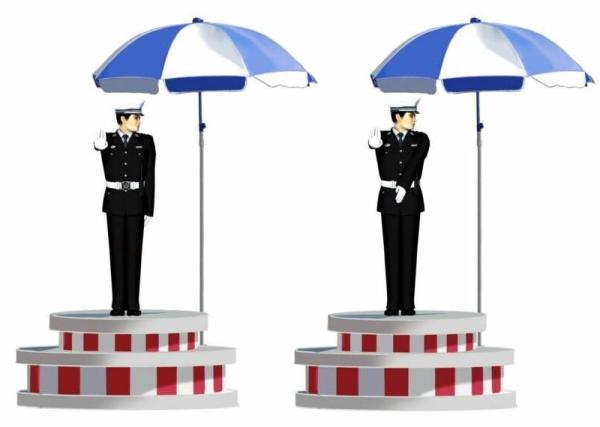
A. wait to turn left
B. pull over
C. reduce speed and pass slowly
D. turn left
Answer: D
9. One can drive the low-speed truck if the authorized vehicle applied for is small motor vehicle with automatic transmission.
A. Right
B. Wrong
Answer: B
10. If a motorized vehicle driver allows his vehicle to be driven by a person whose driving license has been detained, the traffic police will serve an oral warning.
A. Right
B. Wrong
Answer: B
11. What dangerous acts cant the driver conduct when driving downhill?
A. slide the vehicle in the neutral gear
B. driving in lower gear
C. braking to reduce speed
D. changing to the lower gear in advance
Answer: A
12. In which situation should a small car driver need check?
A. the end of a scoring cycle
B. change driving license due to expiration
C. fail to reach 12 points in one scoring cycle
D. reach 12 points in one scoring cycle
Answer: B
13. Whats the meaning of this sign?
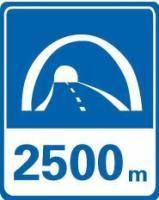
A. the distance from the tunnel exit
B. the distance from the tunnel entry
C. the distance of following the vehicle in front in the tunnel
D. the whole length of the tunnel
Answer: A
14. This sign warns the driver there have traffic lights ahead.

A. Right
B. Wrong
Answer: A
15. When driving a small vehicle downhill, the driver may coast down by stopping the engine.
A. Right
B. Wrong
Answer: B
16. How the front vehicle to run in this situation?
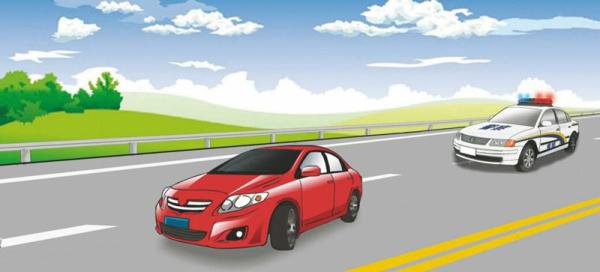
A. run as normal
B. yield
C. turn on the hazard lights
D. should not change lane
Answer: B
17. How to run in this situation?
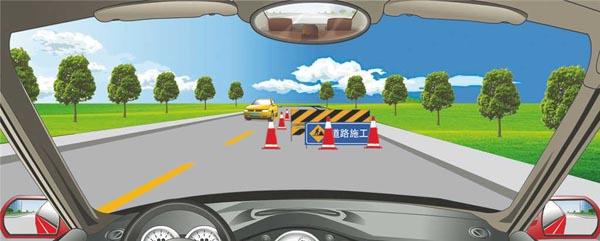
A. stop and yield to the opposite car
B. turn on the left-turn signal and run on the left side
C. turn on the head lights to let the other side yield
D. speed up to bypass the obstacle and then cross the other vehicle
Answer: A
18. When discovering traffic congestion ahead while driving, the driver should ________.
A. Find a chance to overtake the vehicle in front
B. Weave through other vehicles
C. Reduce speed, stop and wait in line
D. Honk to urge other vehicles
Answer: C
19. How long is the period of probation of a motor vehicle driver who has applied for a driver license for the first time?
A. 18 months
B. 16 months
C. 12 months
D. 6 months
Answer: C
20. Whats the meaning of this sign?
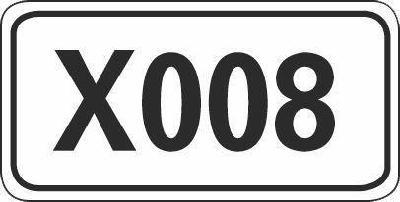
A. provincial highway No.
B. national highway No.
C. county road No.
D. township road No.
Answer: C