

1. When driving in a rainy day, the driver should _____ when a pedestrian holding umbrella or in raincoat is walking on the highway.
A. Continuously honk to indicate him to yield
B. Speed up and bypass
C. Honk in advance and properly reduce speed
D. Drive at the normal speed
Answer: C
2. Whats the meaning of this sign?
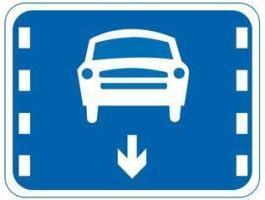
A. lane for small vehicles
B. special lane for small vehicles
C. special lane for multi-passenger vehicles
D. lane for motorized vehicles
Answer: D
3. If a person has caused a traffic accident and run away, and constitutes a crime, his driving license should be revoked and he is banned for lifetime from re-obtaining a driving license.
A. Right
B. Wrong
Answer: A
4. When a vehicle reaches a sharp curve, the driver should _______.
A. Brake suddenly and go slowly
B. Drive along the outer side of the curve
C. Fully reduce speed and drive on the right side
D. Go forward by borrowing the opposite lane
Answer: C
5. The oil pressure of engine may be too high if it lights.

A. Right
B. Wrong
Answer: B
6. Whats the meaning of this sign?
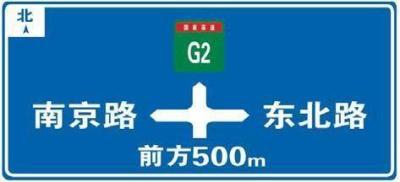
A. lane information indication
B. road branching point ahead
C. place and distance indication
D. intersection ahead
Answer: D
7. How to pass this intersection?
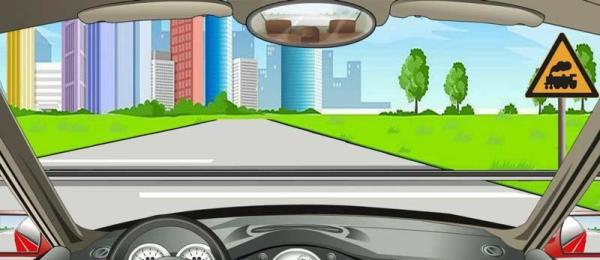
A. not reduce speed to pass
B. speed up to pass as soon as possible
C. slide over in the neutral gear
D. reduce speed or stop to observe
Answer: D
8. What is the max speed on muddy road?
A. 15km/hr
B. 20km/hr
C. 40km/hr
D. 30km/hr
Answer: D
9. It displays that oil in tank has less than the warning line

A. Right
B. Wrong
Answer: A
10. Continue to go through if having passed the stop line when encountering this traffic light at the intersection.
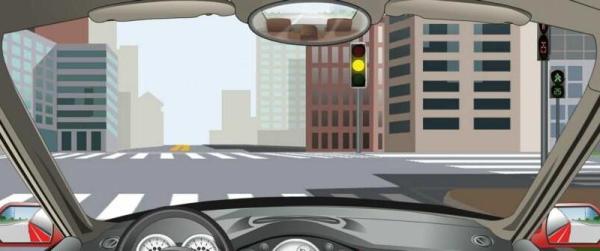
A. Right
B. Wrong
Answer: A
11. Whats the meaning of the white markings on the road?
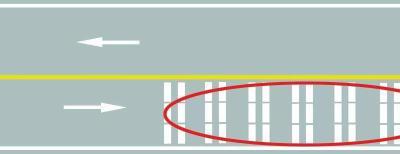
A. road construction marking
B. horizontal deceleration marking
C. vertical deceleration marking
D. fewer lanes indication marking
Answer: B
12. When a vehicle goes downhill on a mountain road, it is not allowed to overtake.
A. Right
B. Wrong
Answer: A
13. When a motorized vehicle returns to the original lane after overtaking, the driver should turn on the right-turn signal.
A. Right
B. Wrong
Answer: A
14. What is this manipulation device?
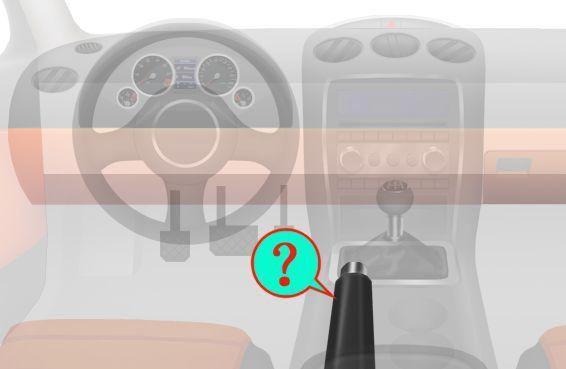
A. the air throttle lever
B. the gear lever
C. the clutch lever
D. the handbrake
Answer: D
15. A motorized vehicle driver who uses falsified or altered driving license is subject to a 12-point penalty.
A. Right
B. Wrong
Answer: A
16. A motorized vehicle driver who reverses, drives in the opposite direction or make a U turn by crossing the central dividing strip on the expressway is subject to a 6-point penalty.
A. Right
B. Wrong
Answer: B
17. Whats the meaning of this sign?
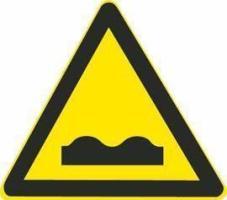
A. low-lying road
B. hump bridge
C. bump road
D. high outburst road
Answer: C
18. Which of the following vehicle in front in the same lane is not allowed to be overtaken?
A. large bus or large truck
B. fire engine on duty
C. public bus
D. taxis
Answer: B
19. When a driver suddenly encounters a vehicle in the opposite direction that forces its way by overtaking and occupying his lane, the driver may refuse to avoid it and force it to yieldto you.
A. Right
B. Wrong
Answer: B
20. ABS system can maximize the braking efficiency when conducting _______
A. braking intermittently
B. braking continuously
C. applying emergency braking
D. gently depressing the brake pedal
Answer: C