

1. The yellow lane-dividing line on the road is used to _____

A. allow to drive in left lane
B. separate the traffic flow in opposite directions
C. separate the traffic flow in the same direction
D. prohibit to cross the opposite lane
Answer: B
2. Reduce speed or stop to look before the stop line when encountering this traffic light at the intersection.
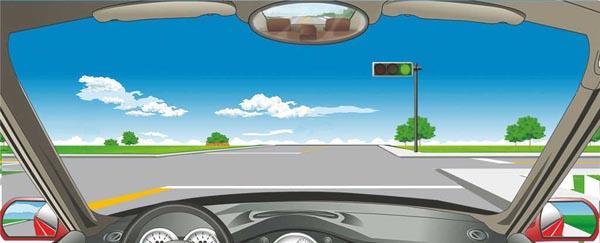
A. Right
B. Wrong
Answer: B
3. When a vehicle approaches a bus stopping at a bus stop, the driver should ______ in case the bus starts up suddenly or pedestrians cross in front of the bus.
A. Reduce speed, keep a sufficient distance and be ready to stop anytime
B. Maintain the normal speed
C. Honk to remind, speed up and pass
D. Be ready to apply emergency braking
Answer: A
4. Opening the doors of a motorized vehicle should not obstruct the flow of other vehicles and pedestrians.
A. Right
B. Wrong
Answer: A
5. What pedal is it?
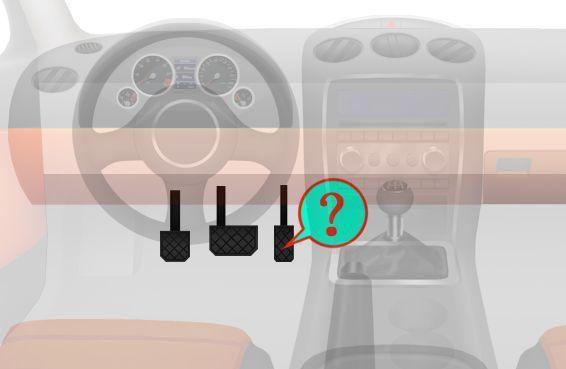
A. accelerator pedal
B. clutch pedal
C. handbrake
D. the brake pedal
Answer: A
6. When a vehicle passes a bumped road, the driver should ________.
A. Speed up and dash over under inertia
B. Change to the neutral gear and slide over
C. Maintain the original speed and pass
D. Pass slowly and steadily
Answer: D
7. Nobody is allowed to drive a motorized vehicle that has safety hazards.
A. Right
B. Wrong
Answer: A
8. Whats the meaning of this sign?
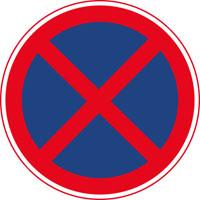
A. stopping temporarily is allowed
B. long stopping is allowed
C. no long stopping
D. no stopping
Answer: D
9. When starting up a vehicle stopping at the roadside, the driver should first ________.
A. Depress the accelerator pedal and start
B. Honk
C. Increase engine rotation speed
D. Observe the conditions around the vehicles
Answer: D
10. When the two red lights at a level crossing flash alternately, the vehicles should stop to wait.

A. Right
B. Wrong
Answer: A
11. When following a vehicle, the following vehicle may use the high beam light.
A. Right
B. Wrong
Answer: B
12. How to drive in this section?
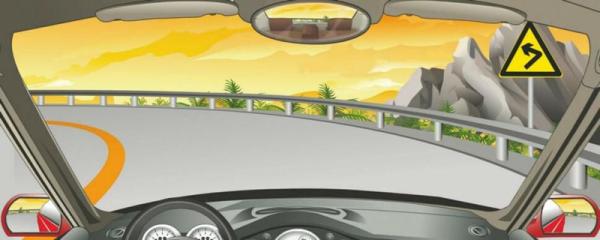
A. occupy the road of the other side to pass the curve
B. drive along the middle of the curve
C. speed up and honk to pass
D. reduce speed and honk
Answer: D
13. A qualified driver should not only be technically adept, but more importantly have good driving habits and ethical attainments.
A. Right
B. Wrong
Answer: A
14. If a front tire blowout has caused a turn in direction, the driver should not avoid excess adjustment. Instead, he should control the direction of the vehicle, ____, and slowly reduce the speed of the vehicle.
A. Apply emergency braking
B. Use the handbrake
C. Gently depress the brake pedal
D. Swiftly depress the brake pedal
Answer: C
15. What does this symbol indicate?

A. luggage compartment is opened
B. engine compartment is opened
C. cover of fuel tank is opened
D. door of one side is opened
Answer: B
16. From which side to overtake?

A. both sides
B. right side
C. left side
D. the side with no obstacle
Answer: C
17. ABS system can keep the steering capability of the front wheels while providing maximum braking force when the vehicle conduct an emergency braking.
A. Right
B. Wrong
Answer: A
18. What marking is the road mark?
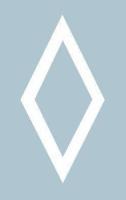
A. crosswalk ahead
B. intersection ahead
C. reduce speed and yield ahead
D. stop to yield ahead
Answer: A
19. Whats the meaning of this sign?
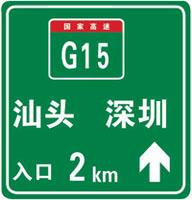
A. expressway entry ahead
B. expressway ending ahead
C. expressway beginning ahead
D. expressway exit ahead
Answer: A
20. The seat belts can reduce the injury of the driver and passengers when there is a collision.
A. Right
B. Wrong
Answer: A