

1. Whats the meaning of this sign?
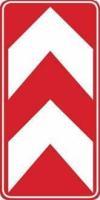
A. Passing on both sides
B. Passing is prohibited
C. Passing by the left side
D. Passing by the right side
Answer: A
2. The three principles for careful driving are concentration, careful observation and early prevention.
A. Right
B. Wrong
Answer: A
3. Move the switch up and down, the windscreen wipers start working.
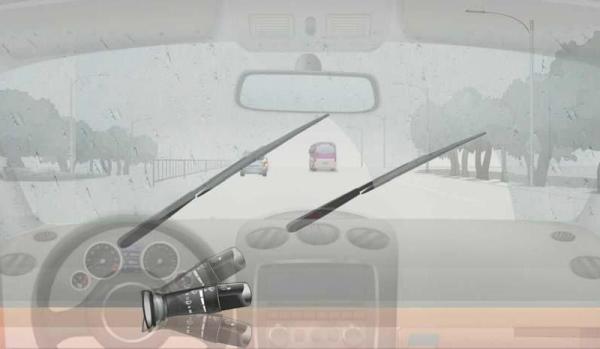
A. Right
B. Wrong
Answer: A
4. Whats the meaning of this sign?
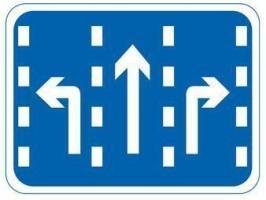
A. left-turn lane
B. straight-going lane
C. right-turn lane
D. lanes for going in different directions
Answer: D
5. What marking is the yellow broken line in the circle?
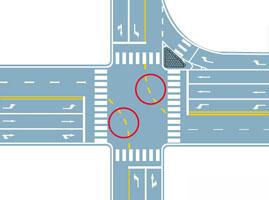
A. non-motorized vehicles guide lines
B. intersection guide line
C. lane connection lines
D. small vehicles turning lines
Answer: B
6. Whats the meaning of the white horizontal solid line in the circle?
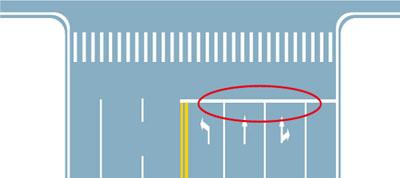
A. turning waiting line
B. deceleration line
C. yielding line
D. stop line
Answer: D
7. A motorized vehicle driver who drives more than 50% faster than the prescribed speed limit is subject to a 12-point penalty.
A. Right
B. Wrong
Answer: A
8. It lights to indicate that the handbrake may not loose in the end.

A. Right
B. Wrong
Answer: B
9. Reduce speed or stop to look before the stop line when encountering this traffic light at the intersection.
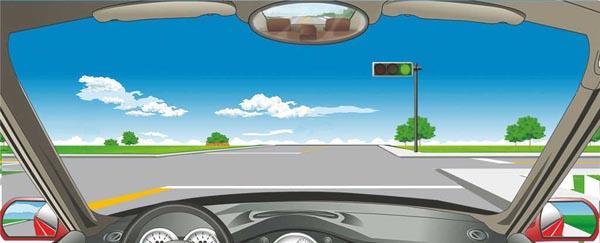
A. Right
B. Wrong
Answer: B
10. What marking is the road mark in the circle?
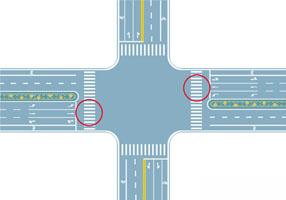
A. crosswalk line
B. slowdown and yield line
C. stopping and yield line
D. intersection signal line
Answer: A
11. This sign warns two neighboring inverse curves ahead.
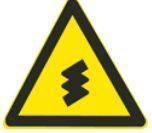
A. Right
B. Wrong
Answer: B
12. Whats the meaning of this sign?
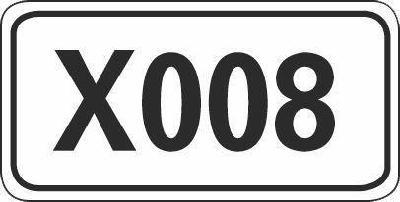
A. provincial highway No.
B. national highway No.
C. county road No.
D. township road No.
Answer: C
13. Full penalty points of a scoring cycle because of violating the traffic regulations is 12 points.
A. Right
B. Wrong
Answer: A
14. When a vehicle passes a school or a residential area, the driver should observe the signs and markings, go slowly and refrain from honking.
A. Right
B. Wrong
Answer: A
15. Speed up when passing the overflowing road.
A. Right
B. Wrong
Answer: B
16. Which part does it control when rotating this part of the switch?

A. the low beam lights
B. the head and tail fog lights
C. high beam lights
D. turn signals
Answer: B
17. What is the max speed on the expressway when the visibility is lower than 100 meters?
A. less than 40km/hr
B. less than 60km/hr
C. less than 80km/hr
D. less than 90km/hr
Answer: A
18. Steering wheel will be locked if removing the key while the ignition switch is in the LOCK position.
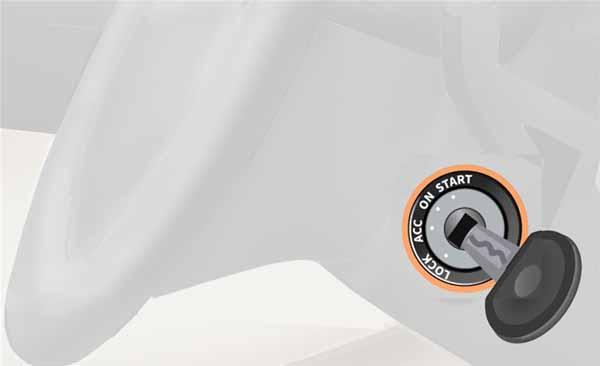
A. Right
B. Wrong
Answer: A
19. A motorized vehicle runs on the road without a label of inspection, the traffic police can detain the vehicle.
A. Right
B. Wrong
Answer: A
20. Which kind of vehicle can be initially applied for when one reaches 20 years old?
A. large truck
B. large bus
C. midsize bus
D. trailer
Answer: A