

1. A motorized vehicle runs on the road without a label of insurance, the traffic police can detain the vehicle license according to law.
A. Right
B. Wrong
Answer: B
2. Whats the meaning of this sign?

A. an unmanned level crossing 100m ahead
B. a manned level crossing 100m ahead
C. an unmanned level crossing 50m ahead
D. a manned level crossing 50m ahead
Answer: C
3. Using the low beam light in such circumstances.
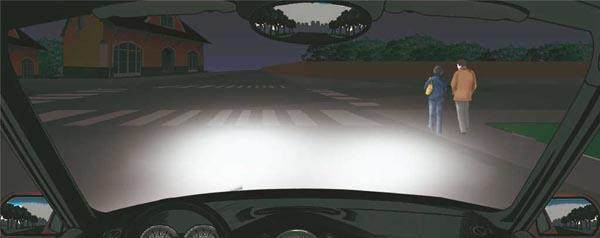
A. Right
B. Wrong
Answer: A
4. When bicycles ahead obstruct the traffic flow, the driver may honk to remind them,speed up and bypass.
A. Right
B. Wrong
Answer: B
5. What marking is it?
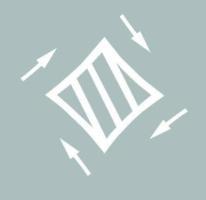
A. A cross-hatched marking
B. prohibitive area
C. guide line
D. central circle
Answer: D
6. Causing a traffic accident due to violating the law and regulations on road traffic safety is the rule-breaking act.
A. Right
B. Wrong
Answer: B
7. Whats the meaning of this park marking?
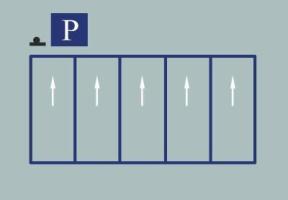
A. special stopping and waiting area
B. special getting-on and getting-off area
C. time limit parking
D. fixed direction parking
Answer: D
8. Whats the meaning of this sign?
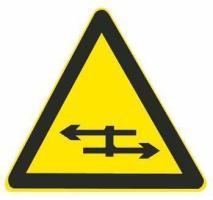
A. flat intersection
B. flat ring intersection
C. attention to interactive intersection
D. attention to separate intersection
Answer: D
9. Whats the meaning of the double white broken lines in far front of the intersection?
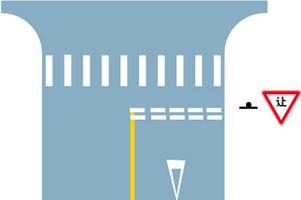
A. waiting to run line
B. stopping and yield line
C. slowdown and yield line
D. left-turn waiting line
Answer: C
10. When a driver drives a motorized vehicle during the period of probation, the driver should paste or hang a uniform probation mark on the rear part of the vehicle.
A. Right
B. Wrong
Answer: A
11. Whats the role of indicative sign?
A. tell the direction information
B. warn danger ahead
C. restrict the vehicles and pedestrians from passing
D. indicate the vehicles and pedestrians to go ahead
Answer: D
12. You have the priviledged passing right of way at the intersection in this situation.
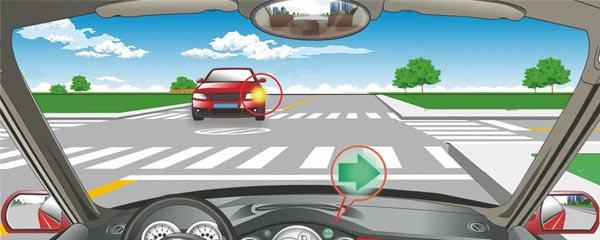
A. Right
B. Wrong
Answer: B
13. This sign reminds there is a ferry ahead for vehicles.
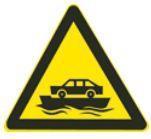
A. Right
B. Wrong
Answer: A
14. Registration alternation is not needed when _____
A. change engine
B. add anti-collision device
C. change vehicles colour
D. change the chassis
Answer: B
15. When the motor vehicle installed ABS system brakes, the braking distance will be greatly shortened, so you do not have to keep a safe distance between vehicles.
A. Right
B. Wrong
Answer: B
16. What marking is the triagle filled area in the circle?
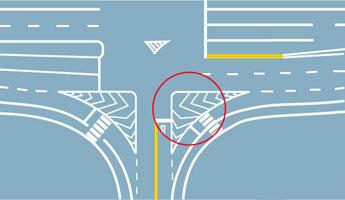
A. stop line
B. deceleration line
C. guide line
D. cross-hatched marking
Answer: C
17. The full mark of Driving Skills, Common Knowledge on Safe and Courteous Driving of the subject 3 test is 100, each of the passing mark is 80 and 90.
A. Right
B. Wrong
Answer: B
18. To hold the steering wheel like this is correct.

A. Right
B. Wrong
Answer: B
19. When encountering an overflowing bridge, the driver should look at the situation, and passes through slowly before he makes sure that it is safe to do so.
A. Right
B. Wrong
Answer: A
20. This sign reminds the road in front changes to inseparate two ways section.

A. Right
B. Wrong
Answer: A