

1. Whats the meaning of this guide arrow?
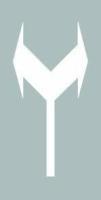
A. Y-shaped intersection ahead
B. separate road ahead
C. only left or right turn ahead
D. merging with both sides ahead
Answer: C
2. What does the traffic light mean?
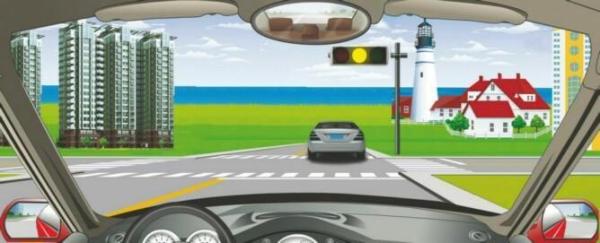
A. no right turn
B. intersection warning
C. going straight is allowed
D. speed up and pass
Answer: B
3. The motorized vehicle driver who lives outside the jurisdiction of the issuing vehicle management station may apply to the vehicle management station at the place where he is living, for license change.
A. Right
B. Wrong
Answer: A
4. Whats the meaning of this sign?
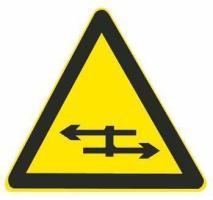
A. flat intersection
B. flat ring intersection
C. attention to interactive intersection
D. attention to separate intersection
Answer: D
5. A motorized vehicle driver who drives after drinking is subject to a ________.
A. 3-point penalty
B. 2-point penalty
C. 6-point penalty
D. 12-point penalty
Answer: D
6. May turn right when encountering this traffic light at the intersection.
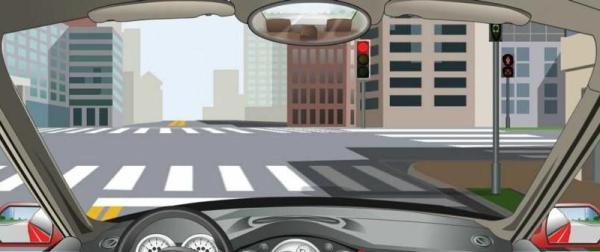
A. Right
B. Wrong
Answer: A
7. Which should be taken along while driving?
A. vocational qualification certificate
B. ID card
C. driving license
D. work permits
Answer: C
8. Whats the meaning of this sign?
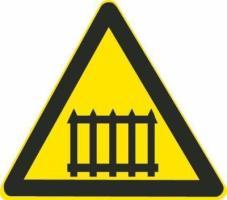
A. a manned level crossing
B. multi-crossing of railway and road
C. grade separation level crossing
D. an unmanned level crossing
Answer: A
9. A motorized vehicle runs on the road without a label of insurance, the traffic police can detain the vehicle license according to law.
A. Right
B. Wrong
Answer: B
10. Which is subject to a 12-point penalty?
A. driving a motorized vehicle when driving license is temporarily detained
B. applying for reissuing the driving license by concealment or deception
C. not yielding to the school bus according to regulations
D. running with the license plate deliberately stained
Answer: D
11. When a vehicle on the main road approaches a conjunction with a feeder road, the driver should ______ in order to prevent a collision with a vehicle that suddenly enters from the feeder road.
A. Maintain the normal speed
B. Reduce speed in advance, observe and drive with care
C. Honk and swiftly pass
D. Speed up in advance and pass
Answer: B
12. Whats the meaning of the white horizontal solid line in the circle?
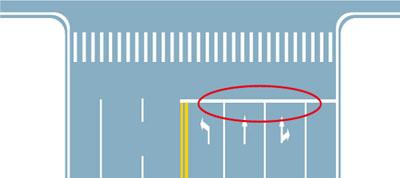
A. turning waiting line
B. deceleration line
C. yielding line
D. stop line
Answer: D
13. Which kind of sign is it?
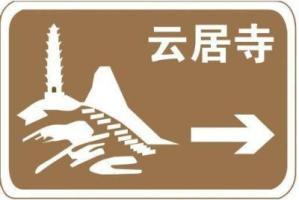
A. tourist zone sign
B. work area sign
C. notification signs
D. expressway sign
Answer: A
14. When a vehicle passes a level crossing, it is prohibited from overtaking.
A. Right
B. Wrong
Answer: A
15. This set of the hand signals of the traffic police indicates that the vehicles should ____ .
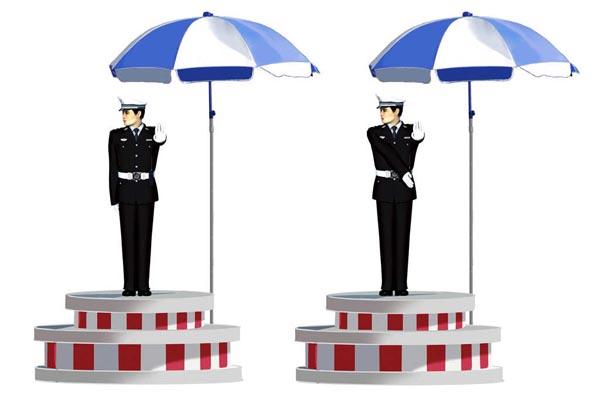
A. reduce speed and pass slowly
B. pull over
C. stop
D. turn right
Answer: D
16. At this position, the motorized vehicle can continue to go through if the front wheels have passed the stop line.
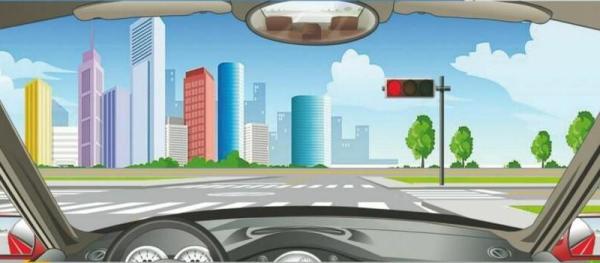
A. Right
B. Wrong
Answer: B
17. As the traffic flow at an interchange is generally one-way, the vehicles do not have to reduce speed when passing.
A. Right
B. Wrong
Answer: B
18. If a driver has driven a motorized vehicle for more than four hours running, he should stop the vehicle and rest for at least ____________.
A. 10 minutes
B. 15 minutes
C. 20 minutes
D. 5 minutes
Answer: C
19. The method of this small passenger vehicle to leave the expressway lane is correct.
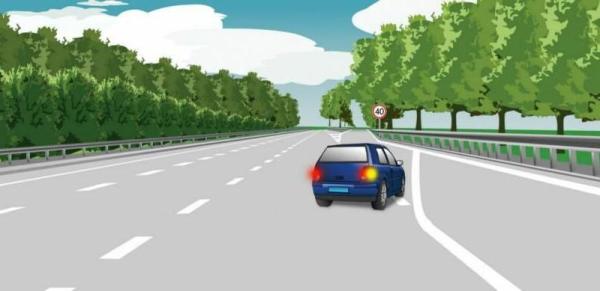
A. Right
B. Wrong
Answer: A
20. Whats the meaning of this sign?
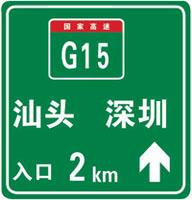
A. expressway entry ahead
B. expressway ending ahead
C. expressway beginning ahead
D. expressway exit ahead
Answer: A