

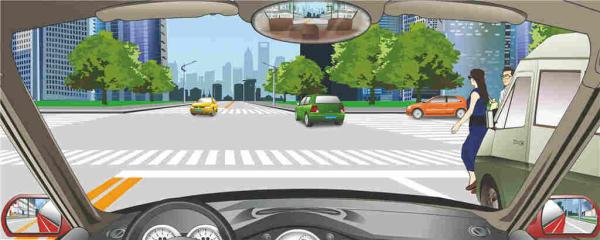
1. When a motor vehicle encounters this situation at a crosswalk, the driver must slow down and pass slowly.
A. Right
B. Wrong
Answer: B
2. How to ensure safe driving at night?
A. Drive at speed limit
B. Cut speed and drive carefully
C. Maintain the current speed
D. Drive above the speed limit
Answer: B
3. When removing a wounded person suffering spinal fracture, the rescuer should never help the wounded person to walk. He may be carried away with a soft stretcher.
A. Right
B. Wrong
Answer: B
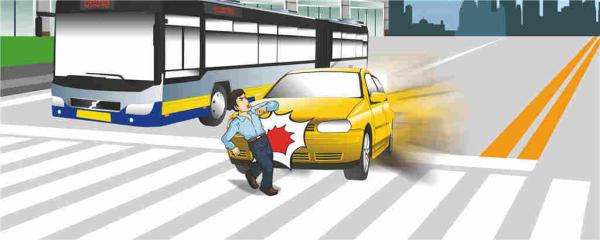
4. The main reason for this accident is that the pedestrian crossed the street in front of the motor vehicle.
A. Right
B. Wrong
Answer: B
5. How should a motor vehicle follow the other vehicle In front when driving on a road covered with ice and snow?
A. Keep a long safe distance
B. Turn on hazard lamp
C. Change between high-and-low beam alternatively
D. Sound the horn in due time to give a notice to the vehicle in front
Answer: A
6. When the wounded person is suffering main artery bleeding, where should the rescue personnel press by thumb to stop the bleeding?
A. The artery near the heart
B. The artery lower to the wound
C. The artery further from the heart
D. The artery in the center of the wound
Answer: A
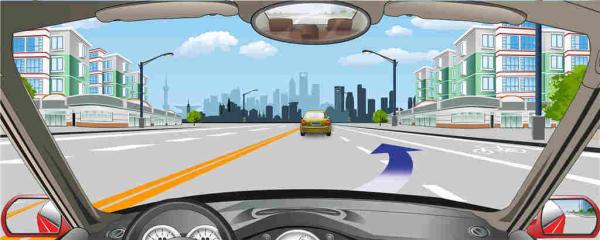
7. The broken white line on the right side of the road indicates that drivers are allowed to change lanes by crossing the line.
A. Right
B. Wrong
Answer: A
8. What should the driver pay attention to when the motor vehicle on the main road approaches a junction with a feeder road?
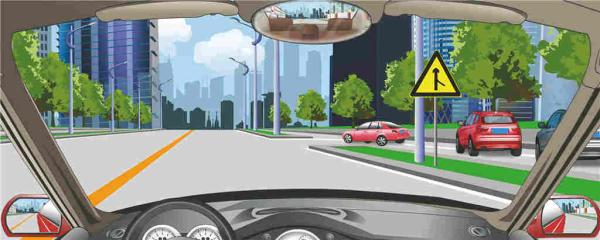
A. Slow down in advance and pay attention to other motor vehicles
B. Maintain the normal speed
C. Sound the horn and pass rapidly
D. Speed up and pass rapidly
Answer: A
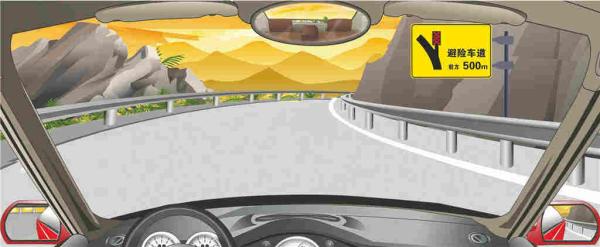
9. The sign on the right side warns of an emergency lane 500 meters ahead.
A. Right
B. Wrong
Answer: A
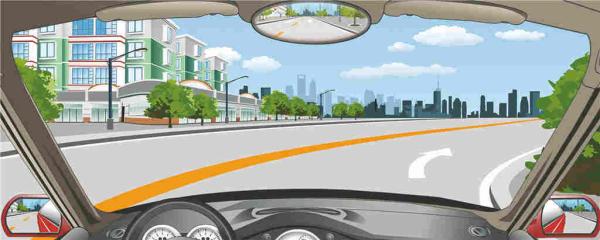
10. The guide arrow on the road surface of this lane indicates that there is an intersection on the right side of the road.
A. Right
B. Wrong
Answer: B
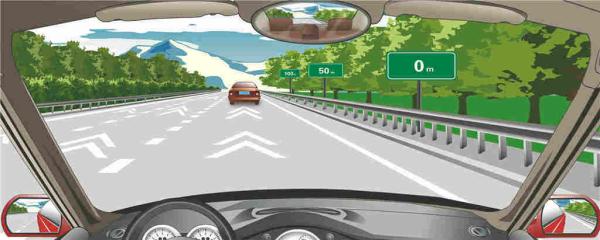
11. The distance-ascertaining section of an expressway is used for the drivers to ascertain the safety distance when the speed is 100 kilometers per hour.
A. Right
B. Wrong
Answer: A
12. It is illegal to change lanes without turning on indicators.
A. Right
B. Wrong
Answer: A
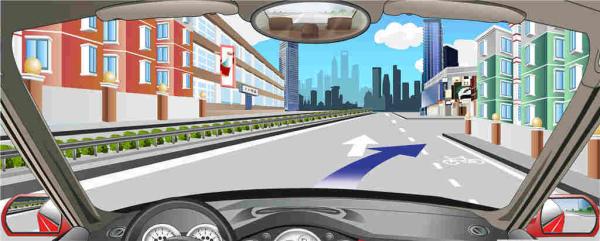
13. Crossing the broken white line on the right edge of the road is allowed.
A. Right
B. Wrong
Answer: A
14. Under such circumstances, the motor vehicle driver should voluntarily reduce speed and let the vehicle behind overtake.
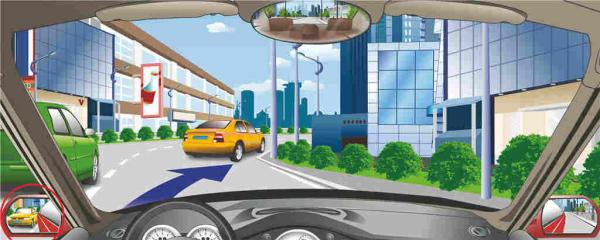
A. Right
B. Wrong
Answer: A
15. The sign on the right warns that the road will narrow over the next 5 kilometers.
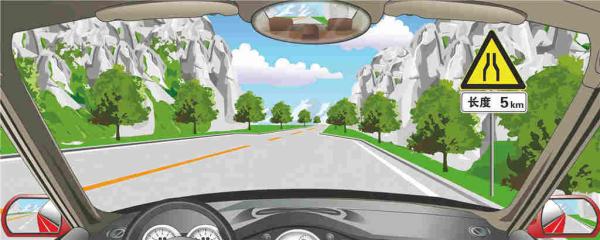
A. Right
B. Wrong
Answer: A
16. Gun powder, explosives and detonating powder belong to which of the following dangerous chemicals?
A. Oxidizing materials
B. Inflammable solid materials
C. Explosives
D. Self-igniting articles
Answer: C
17. When driving on an expressway, which of the following statements is correct?
A. Drivers may overtake on either the ramp, the acceleration lane or the deceleration lane
B. Drivers are prohibited from reversing, driving in the opposite direction or making a U turn by crossing the central dividing strip
C. Drivers may drive on the emergency lane in a non-emergency case
D. Drivers may test a motor vehicle or learn to drive
Answer: B
18. Which of the following method is correct to rescue an unconscious person?
A. Apply cardio-pulmonaryresuscitation immediately
B. Press the philtrum of the wounded person with force
C. Continuously slap the face of the wounded person
D. Check the breath of the wounded person before other emergency treatments
Answer: D
19. What should motor vehicle drivers do under the circumstances shown in the flash?
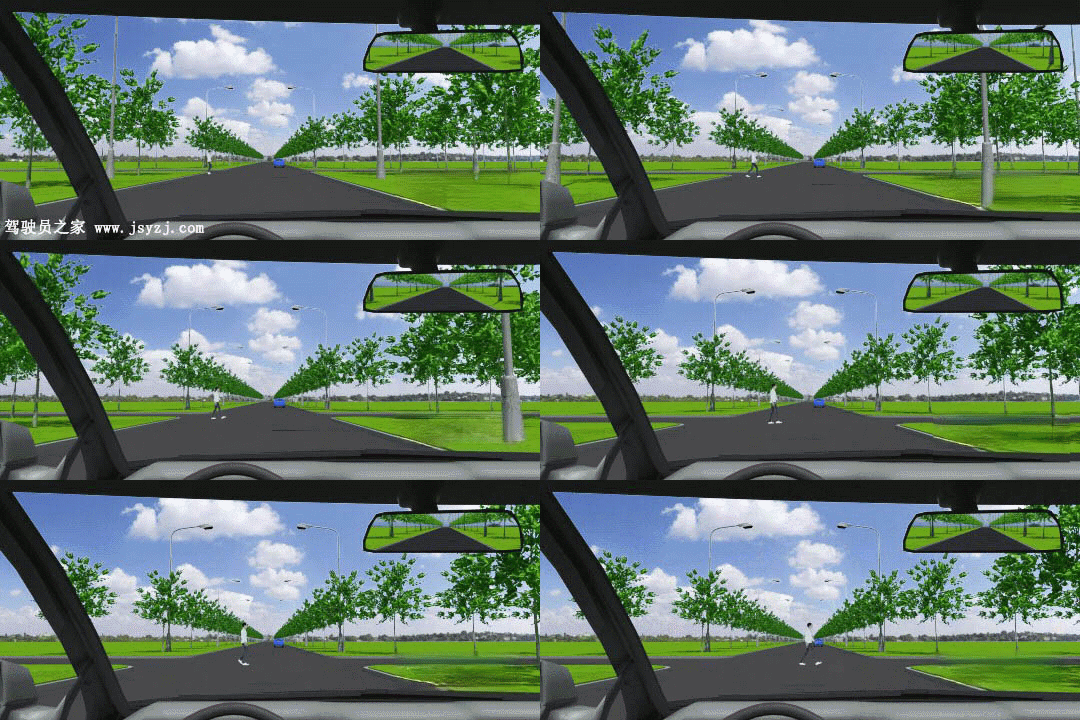
A. Reduce speed or stop to yield
B. Sound the horn to warn the pedestrians to yield
C. Pass before the pedestrians
D. Immediately change to another lane to bypass the pedestrians
Answer: A
20. What should the driver do when seeing these hand signals?
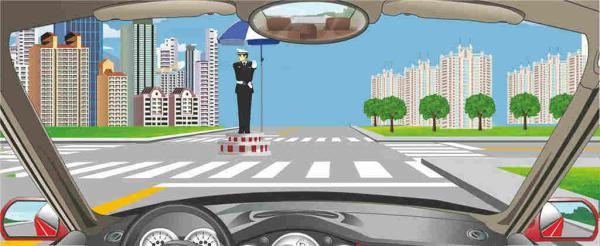
A. Turn left at the intersection
B. Stop and wait
C. Go straight at the intersection
D. Drive to the waiting area for turning left
Answer: B