

1. The sign on the right warns of a widened left-hand road ahead.
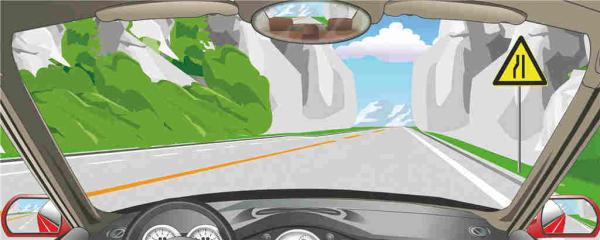
A. Right
B. Wrong
Answer: B
2. Drivers may turn left when seeing these hand signals.
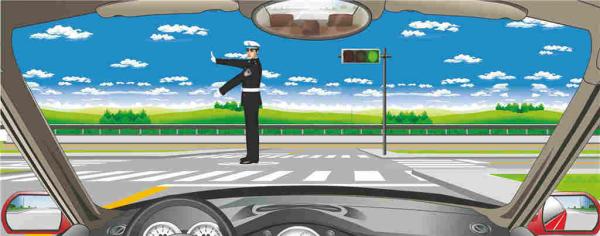
A. Right
B. Wrong
Answer: A
3. How to ensure motor vehicles have sufficient power when driving uphill?
A. Downshift before reducing speed
B. Downshift after reducing speed
C. Downshift when the speed is excessively low
D. Downshift to the fullest extent
Answer: A
4. How to reduce speed or stop when driving on a road covered with snow and ice?
A. Take full advantage of driving brake
B. Take full advantage of the control power from engine
C. Take full advantage of parking brake
D. Take full advantage of speed retarder
Answer: B
5. What needs attention when a motor vehicle drives on a road covered with ice and snow?
A. Braking length is extended
B. Anti-skating resistance will be greater
C. The adhesive force of the road will be greater
D. The braking length will be shorter
Answer: A
6. The sign on the left indicates vehicles are allowed to drive on the section ahead.
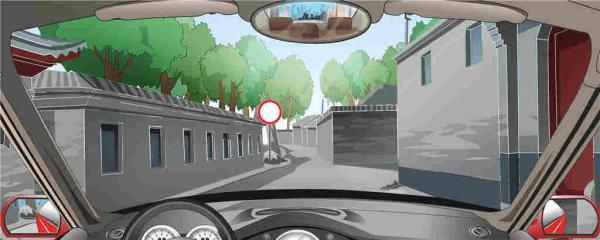
A. Right
B. Wrong
Answer: B
7. What should be taken note of by drivers in this situation?
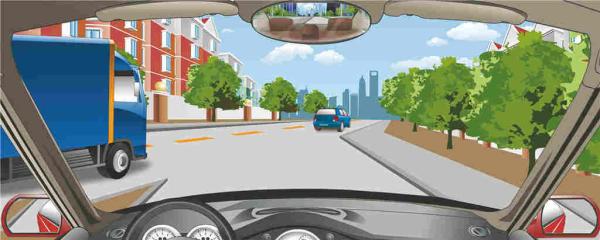
A. The motor vehicles on the left side
B. The motor vehicles on the right side
C. The motor vehicles behind
D. The motor vehicles in front
Answer: A
8. The sign on the right warns of a guarded railway intersection ahead.
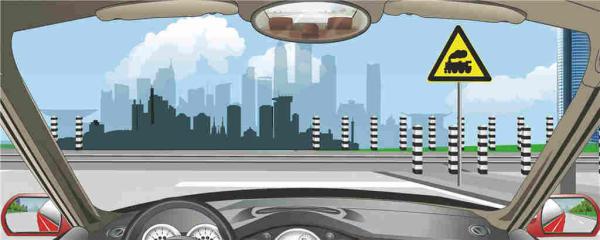
A. Right
B. Wrong
Answer: B
9. Drivers may turn left when traffic police give these hand signals.
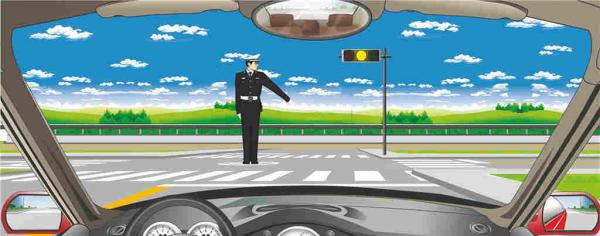
A. Right
B. Wrong
Answer: B
10. When a motor vehicle enters an expressway from the ramp, which of the following lamps should be turned on?
A. The left-turn indicator
B. The right-turn indicator
C. The hazard warning lamp
D. The headlamp
Answer: A
11. Motor vehicle drivers should use the windscreen wiper when setting off on a rainy day
A. Right
B. Wrong
Answer: A
12. The sign in front is an advance announcement of the directions led by this intersection.
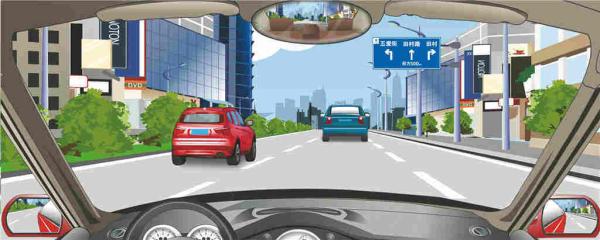
A. Right
B. Wrong
Answer: A
13. When parking temporarily on a snowy day, drivers should turn on the headlamp and fog lamp.
A. Right
B. Wrong
Answer: B
14. When driving on this section of the road, drivers should observe closely and prepare to yield to the animals crossing the road.
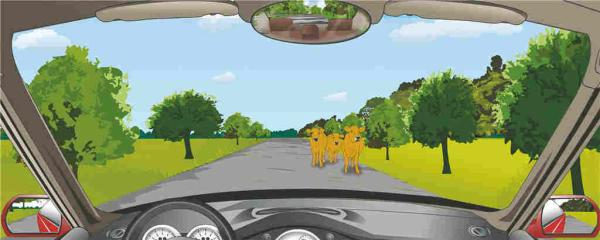
A. Right
B. Wrong
Answer: A
15. The marking on the road surface indicates that the speed limit of this road section is 50 km/hour.
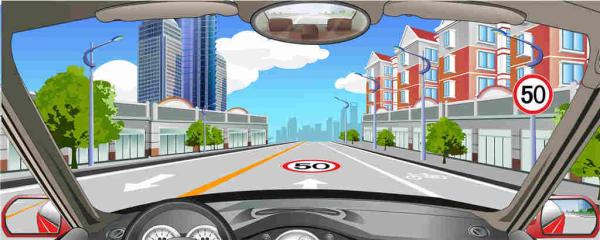
A. Right
B. Wrong
Answer: A
16. A motor vehicle may stop and yield if it encounters any problem when changing to the driving lane from an acceleration lane.
A. Right
B. Wrong
Answer: B
17. When driving a motor vehicle not equipped with the anti-lock braking system (ABS), what should the driver do if he brakes on a road covered by ice and snow?
A. Gently or intermittently depress the brake pedal
B. Depress the brake pedal as on other roads
C. Violently depress the brake pedal
D. Suddenly depress the pedal with force
Answer: A
18. After a tire bursts and before the driver can control the speed of the vehicle, he should not risk using the foot brake to stop the vehicle. Otherwise, a horizontal swing of the vehicle can cause greater danger.
A. Right
B. Wrong
Answer: A
19. What should the driver do when the motor vehicle encounters this situation?
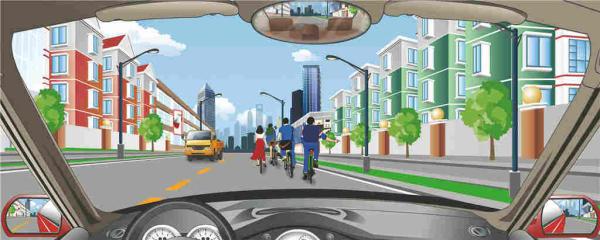
A. Overtake immediately
B. Sound the horn continuously to warn
C. Maintain safety distance and overtake
D. Sound horn and speed up to overtake
Answer: C
20. The sign on the right indicates the road width ahead is limited to 3 meters.
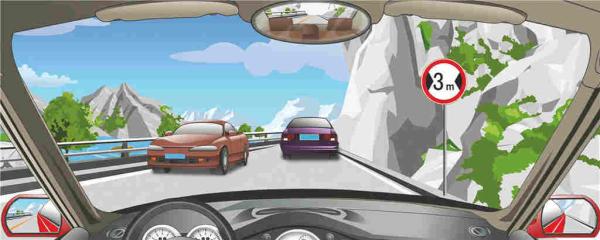
A. Right
B. Wrong
Answer: A