

1. When driving a vehicle through an inundated road with non-motorized vehicles on both sides, the driver should _________.
A. Reduce speed and go slowly
B. Go forward normally
C. Speed up and pass
D. Continuously honk
Answer: A
2. The applicant should apply for the cancelation of the reservation one day in advance if he is unable to take the exam by appointment, the applicant will be judged as failed in the exam if he does not take the exam on the reserved examination time.
A. Right
B. Wrong
Answer: A
3. It is not safe for a woman driver to wear high heels to drive a vehicle.
A. Right
B. Wrong
Answer: A
4. Overtaking is allowed when passing a level crossing in city where no train passes.
A. Right
B. Wrong
Answer: B
5. It is illegal for a driver to use a cell phone while driving.
A. Right
B. Wrong
Answer: A
6. Whats the meaning of this sign?
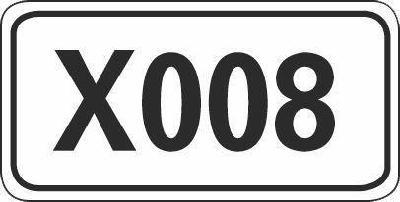
A. provincial highway No.
B. national highway No.
C. county road No.
D. township road No.
Answer: C
7. Motorized vehicles should pass the intersections according to the traffic signals.
A. Right
B. Wrong
Answer: A
8. When a vehicle passes a narrow road or bridge, it is prohibited from overtaking.
A. Right
B. Wrong
Answer: A
9. Whats the meaning of this sign?

A. a manned level crossing 50m ahead
B. an unmanned level crossing 100m ahead
C. a manned level crossing 100m ahead
D. an unmanned level crossing 50m ahead
Answer: B
10. Driving motor vehicle with ABS system may occur side skidding when applying emergency braking.
A. Right
B. Wrong
Answer: A
11. What mark is the inclined yellow and black lines?
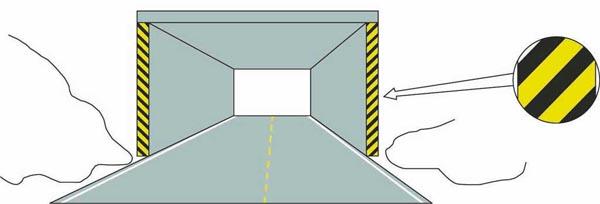
A. entity mark
B. protrusions mark
C. three-dimensional mark
D. deceleration mark
Answer: C
12. When reversing on an ordinary road and discovering some vehicles are passing, the driver should _________.
A. Honk to indicate the intention
B. Voluntarily stop and yield
C. Speed up and reverse
D. Continue to reverse
Answer: B
13. How to run in this situation?
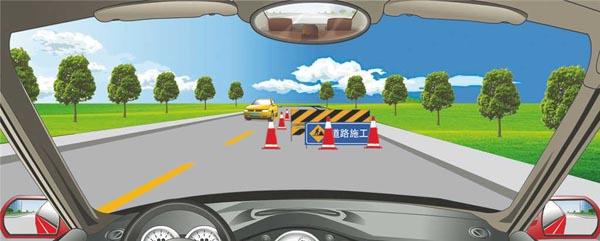
A. stop and yield to the opposite car
B. turn on the left-turn signal and run on the left side
C. turn on the head lights to let the other side yield
D. speed up to bypass the obstacle and then cross the other vehicle
Answer: A
14. childrens passage
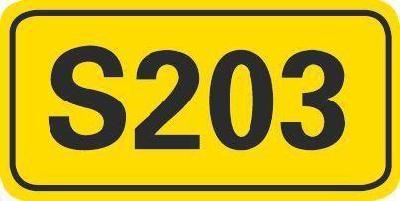
A. provincial highway No.
B. national highway No.
C. county road No.
D. township road No.
Answer: A
15. A driver applies for the driving license for the first time and is during the period of probation, he can drive a motorized vehicle on expressway alone.
A. Right
B. Wrong
Answer: B
16. Driving a motorized vehicle on the road should be required to be with a license plate.
A. Right
B. Wrong
Answer: A
17. Whats the meaning of this sign?
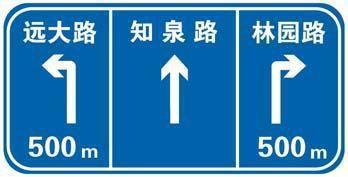
A. lane direction indication
B. intersection ahead
C. lane information indication
D. road branching point ahead
Answer: B
18. Is there any effective auxiliary method to control the speed while driving on a long downhill road besides braking.
A. Shift to the neutral gear and slide
B. Use the engine to brake
C. Turn off the engine and slide
D. Depress the clutch and slide
Answer: B
19. Which of the following vehicle in front in the same lane is not allowed to be overtaken?
A. large bus or large truck
B. fire engine on duty
C. public bus
D. taxis
Answer: B
20. The child in the motorized vehicle does not need to buckle up when the vehicle runs.
A. Right
B. Wrong
Answer: B