

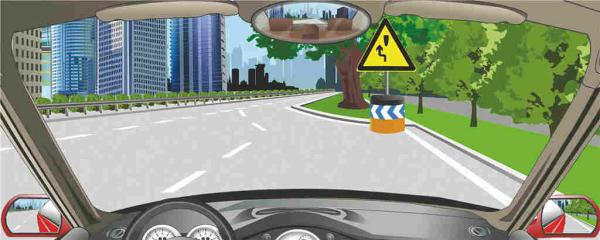
1. This sign warns to bypass from the right side to avoid the roadblock.
A. Right
B. Wrong
Answer: B
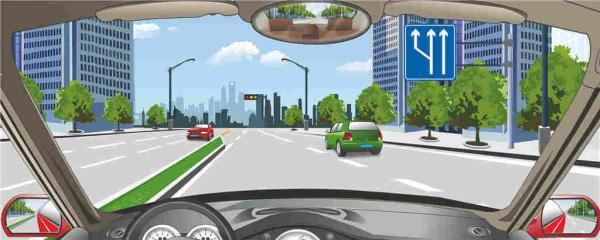
2. The sign on the right indicates a bypass flow intersection ahead.
A. Right
B. Wrong
Answer: B
3. Mr. Li drove a large bus with 21 passengers (capacity 35 people). He found the braking system was abnormal on the way but failed to repair it. When running on the Shuangdao Haiwan Bridge at a speed of 50 kilometers per hour (speed limit 40 km/h), the bus fell into the sea due to a braking system failure, killing 13 people and injuring 8. What is the main illegal act committed by Mr. Li?
A. Speeding
B. Fatigued driving
C. Carrying more passengers than permitted
D. Driving a motor vehicle with potential safety hazard
Answer: AD
4. Which of the following is a bad habit when changing lanes?
A. Turning on the indicator in advance
B. Observing closely before changing a lane
C. Change lanes at will
D. Not obstructing the passing of other normally moving vehicles
Answer: C
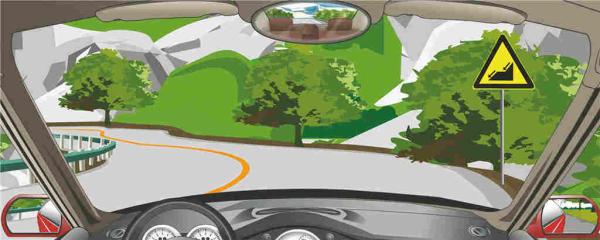
5. When encountering a road like this, motor vehicle drivers may make good use of neutral gear to coast.
A. Right
B. Wrong
Answer: B
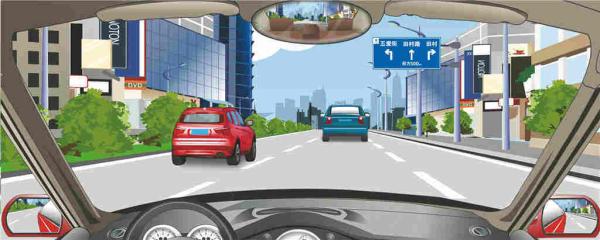
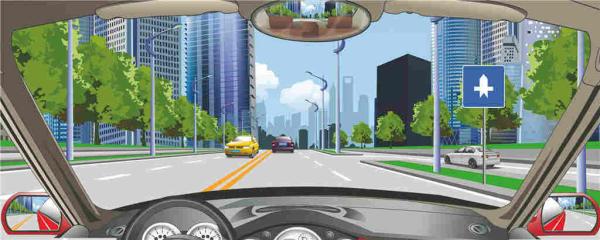
6. The sign in front is an advance announcement of the directions led by this intersection.
A. Right
B. Wrong
Answer: A
7. When approaching motor vehicles ahead running at a normal speed on the highway, drivers behind may find a chance and weave through them swiftly.
A. Right
B. Wrong
Answer: B
8. Having driven a medium passenger vehicle (carrying 27 passengers) to the southern end of Qianling Village of Sidu Town, Mr. Xu drove upslope but the vehicle slid backward and dropped from an 80-meter cliff, killing 11 people and injuring 7. Which of the following law-breaking acts did Mr. Xu commit?
A. Fatigued driving
B. Drunk driving
C. Exceeding the carrying capacity of the passenger vehicle
D. Speeding
Answer: C
9. When a motor vehicle breaks down and cannot be moved away from the emergency lane or the road shoulder, the driver and all passengers should get off the vehicle and wait on the road side instead of leaving the expressway.
A. Right
B. Wrong
Answer: B
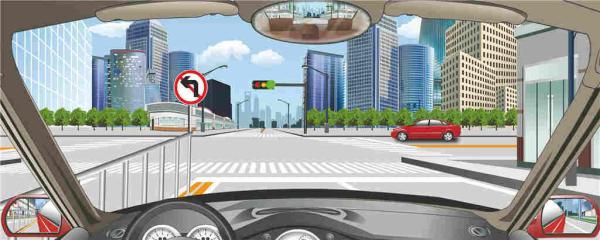
10. Motor vehicle drivers are allowed to make a U-turn at this intersection.
A. Right
B. Wrong
Answer: B
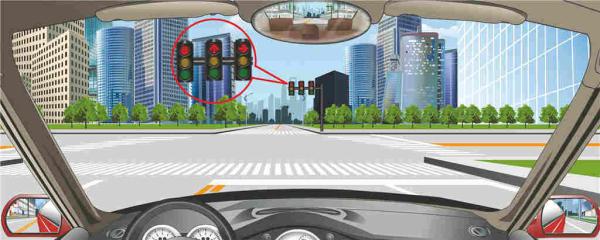
11. At this intersection, motor vehicle drivers may directly make a U-turn along the U-turn turning lane.
A. Right
B. Wrong
Answer: B
12. When driving on an expressway, drivers should not frequently change lanes.
A. Right
B. Wrong
Answer: A
13. The sign on the right indicates that vehicles from the primary road have priority.
A. Right
B. Wrong
Answer: A
14. The sign on the left indicates no U-turn at the intersection ahead.

A. Right
B. Wrong
Answer: A
15. A motor vehicle should not obstruct other vehicles when it enters the driving lane from an acceleration lane.
A. Right
B. Wrong
Answer: A
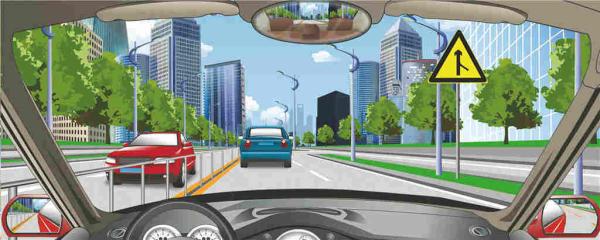
16. The sign on the right warns that there are vehicles converging into the intersection on the right.
A. Right
B. Wrong
Answer: A
17. When there is no bandage for rescuing a wounded person, towels, handkerchiefs, bed sheets and stockings can all be used for dressing.
A. Right
B. Wrong
Answer: A
18. The stop-and-yield line at the intersection ahead indicates that vehicle drivers should reduce speed and give the right of way to vehicles on the trunk road.
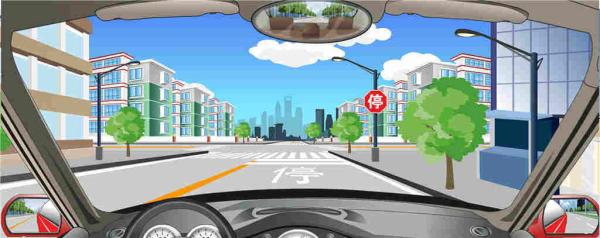
A. Right
B. Wrong
Answer: B
19. When driving on an expressway, which of the following statements is not correct?
A. Drivers are not allowed to drive by riding or rolling on the lane dividing line
B. Drivers are prohibited from driving on road shoulders
C. Drivers may overtake on the ramp, the acceleration lane or the deceleration lane
D. Drivers are prohibited from learning to drive
Answer: C
20. After setting off from the roadside, motor vehicle drivers should speed up as soon as possible and make a sharp left-turn in order to drive into the normal lane.
A. Right
B. Wrong
Answer: B