

1. When finding a tire burst on the road, the driver should gently depress the brake pedal, reduce speed and stop the vehicle slowly.
A. Right
B. Wrong
Answer: A
2. Under the circumstances shown in the flash, what should the driver do?
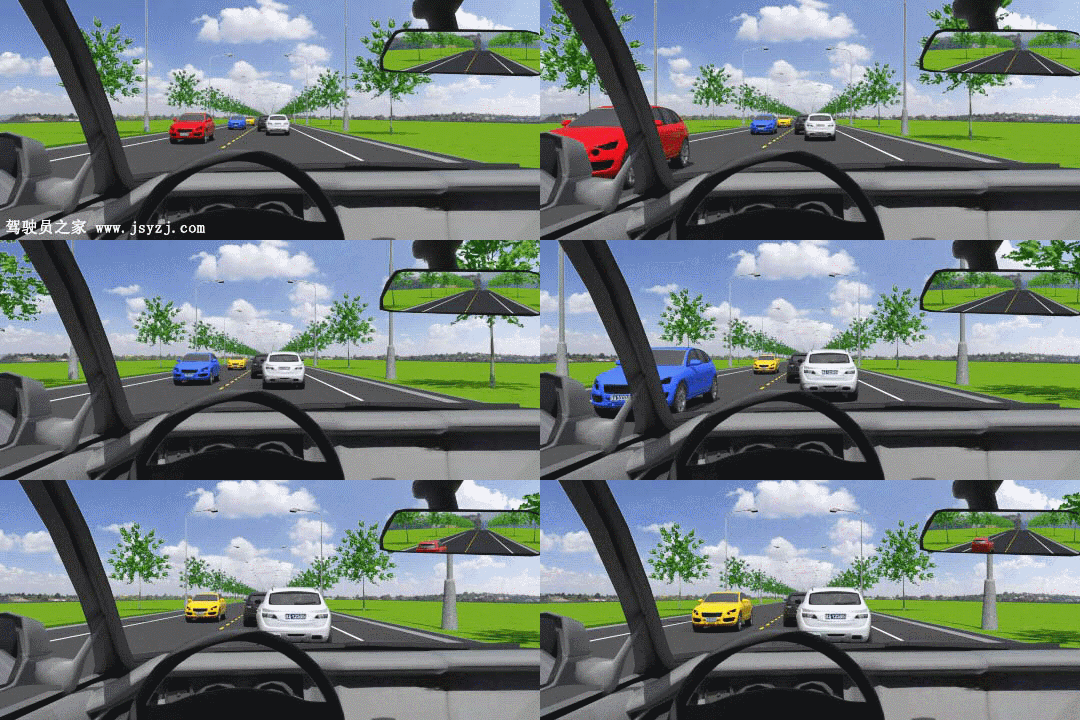
A. Find a chance to overtake the vehicle in front
B. Weave through motor vehicles ahead and pass
C. Reduce speed, stop, and wait in line
D. Sound the horn to urge vehicles in front
Answer: C
3. When encountering this situation, which of the following is the correct way to overtake other vehicles?
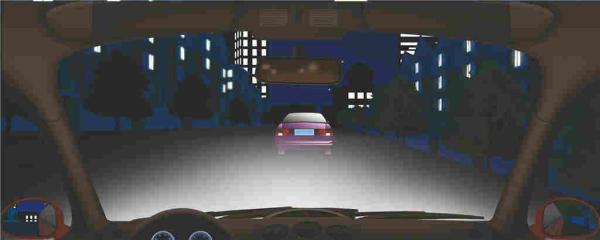
A. Turn on high-beam
B. Use high-beam and low-beam alternatively
C. Turn on low-beam
D. Turning on hazard lamp
Answer: B
4. It is illegal to change lanes without turning on indicators.
A. Right
B. Wrong
Answer: A
5. When a tire bursts suddenly on the road, the driver should refrain from violently depressing the brake pedal in panic. Instead, he should try his best to change to a low gear and use engine braking to reduce the speed of the vehicle.
A. Right
B. Wrong
Answer: A
6. What should be done by drivers in order to drive safely on the road in this condition?

A. Make a large turn on the left side of the road
B. Make a turn on the central line of the curve
C. Make a small turn on the right side of the road
D. Make a turn by borrowing the opposite lane
Answer: C
7. When finding a tire suddenly burst on the road, the driver should firmly hold the steering wheel with both hands to ensure the vehicle goes straight.
A. Right
B. Wrong
Answer: A
8. This sign indicates the traffic broadcast and radio television channel of highway.
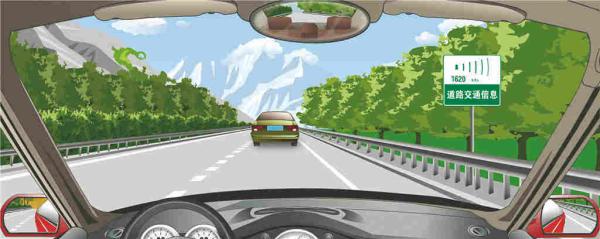
A. Right
B. Wrong
Answer: B
9. When encountering such a situation, motor vehicle drivers should take the left lane.
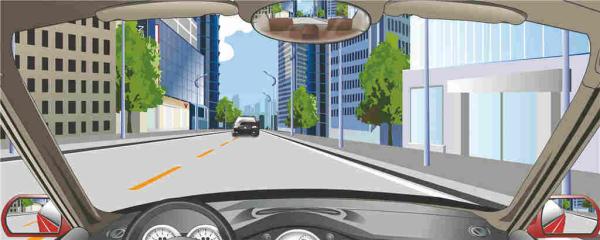
A. Right
B. Wrong
Answer: B
10. The sign on the right warns for livestock on the road ahead.

A. Right
B. Wrong
Answer: B
11. As shown in the flash, the actions of the driver are correct.
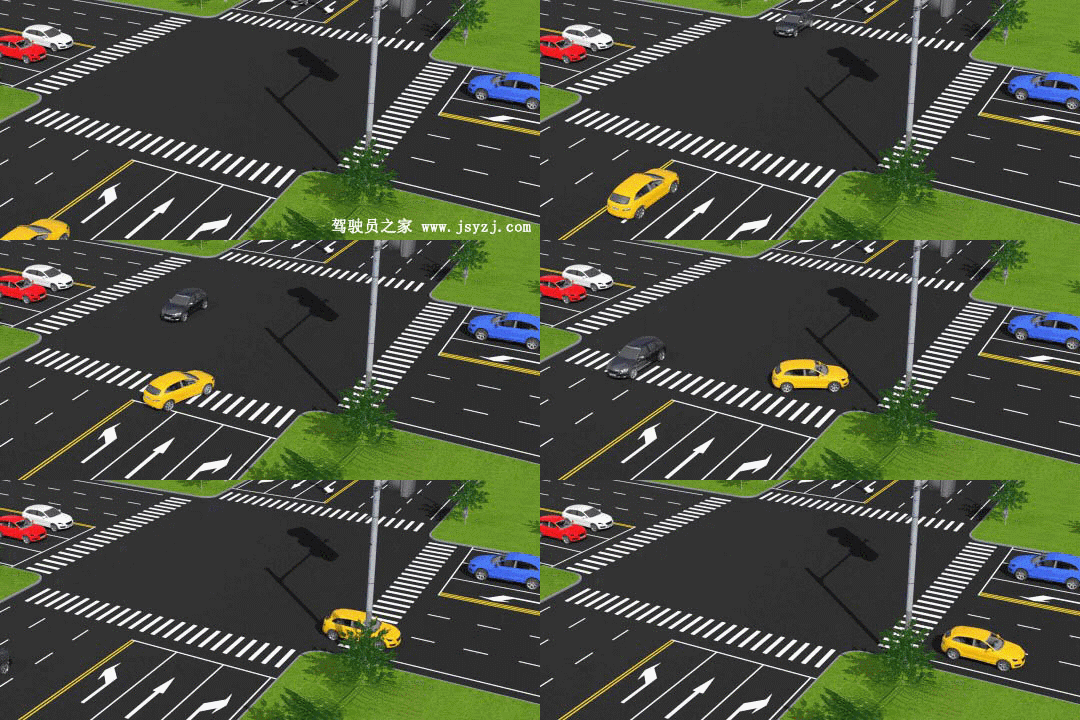
A. Right
B. Wrong
Answer: B
12. When driving on an expressway, which of the following statements is not correct?
A. Drivers are not allowed to drive by riding or rolling on the lane dividing line
B. Drivers are prohibited from driving on road shoulders
C. Drivers may overtake on the ramp, the acceleration lane or the deceleration lane
D. Drivers are prohibited from learning to drive
Answer: C
13. Having driven a medium passenger vehicle (carrying 27 passengers) to the southern end of Qianling Village of Sidu Town, Mr. Xu drove upslope but the vehicle slid backward and dropped from an 80-meter cliff, killing 11 people and injuring 7. Which of the following law-breaking acts did Mr. Xu commit?
A. Fatigued driving
B. Drunk driving
C. Exceeding the carrying capacity of the passenger vehicle
D. Speeding
Answer: C
14. When putting out a fire disaster that gives out corrosive steam or poisonous gas, the firefighters should wear gas masks and other related protective articles and operate from the windward side.
A. Right
B. Wrong
Answer: A
15. Drivers may temporarily cross these central broken and solid yellow lines when overtaking.
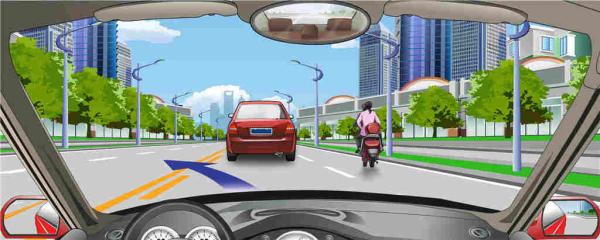
A. Right
B. Wrong
Answer: A
16. The sign on the right warns of low-lying road ahead.

A. Right
B. Wrong
Answer: A
17. Which of the following is a bad habit when changing lanes?
A. Turning on the indicator in advance
B. Observing closely before changing a lane
C. Change lanes at will
D. Not obstructing the passing of other normally moving vehicles
Answer: C
18. How should a motor vehicle follow the other vehicle In front when driving on a road covered with ice and snow?
A. Keep a long safe distance
B. Turn on hazard lamp
C. Change between high-and-low beam alternatively
D. Sound the horn in due time to give a notice to the vehicle in front
Answer: A
19. The sign on the right indicates right-hand turn only.
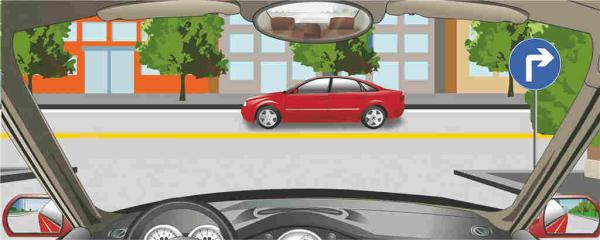
A. Right
B. Wrong
Answer: A
20. The driver should speed up to 40 kilometers per hour when he sees this traffic sign.
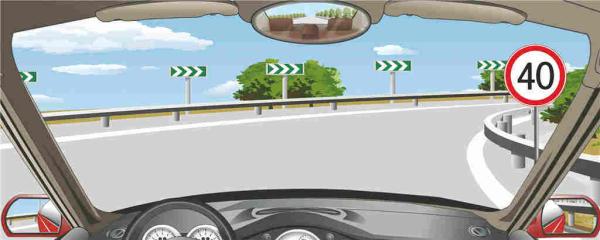
A. Right
B. Wrong
Answer: B