

1. When following a vehicle on the road, the distance from the vehicle in front is not important. As long as the driver goes forward at the same speed as the vehicle in front does, he can avoid rear-end collision.
A. Right
B. Wrong
Answer: B
2. Traffic Police can detain the vehicle which is suspected of using the falsified or altered license plate and vehicle license.
A. Right
B. Wrong
Answer: A
3. You can drive directly into the expressway from this position.
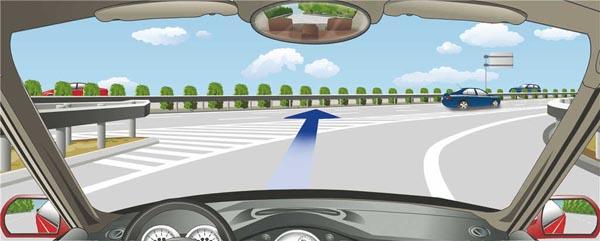
A. Right
B. Wrong
Answer: B
4. A motorized vehicle is not allowed to stop in the section 50 meters to the intersection.
A. Right
B. Wrong
Answer: A
5. Whats the meaning of this mark on the road?
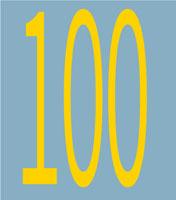
A. average speed is 100km/hr
B. minimum speed limit is 100km/hr
C. 100km/hr speed limit ban is lifted
D. maximum speed limit is 100km/hr
Answer: D
6. Whats the meaning of this sign?
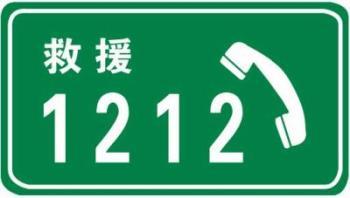
A. police call number on expressway
B. public phone on expressway
C. emergency call number on expressway
D. rescue call number on expressway
Answer: D
7. What is this manipulation device?
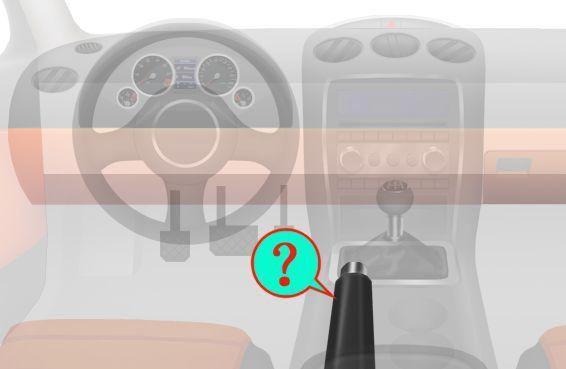
A. the air throttle lever
B. the gear lever
C. the clutch lever
D. the handbrake
Answer: D
8. This sign reminds an unmanned level crossing ahead.
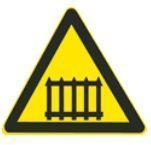
A. Right
B. Wrong
Answer: B
9. Driving a motorized vehicle on the road should be required to be with a license plate.
A. Right
B. Wrong
Answer: A
10. You may not use the turn signal when you change to the right lane.
A. Right
B. Wrong
Answer: B
11. Whats the meaning of this sign?
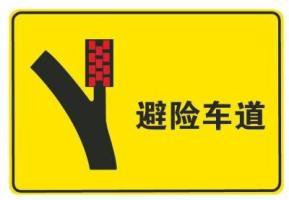
A. danger-avoiding lane
B. emergency lane
C. road shoulder
D. sharp curve
Answer: A
12. Whats the meaning of the white broken line by the carriage on the right side road?
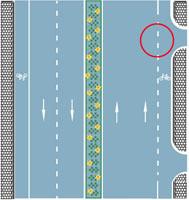
A. allowed to temporarily cross
B. prohibited from crossing
C. emergency lanes dividing line
D. crosswalk dividing line
Answer: A
13. The main impact of the road conditions at night on safe driving is ________.
A. The visibility is low and unfavorable for observing road traffic conditions
B. The road surface is complex and changing
C. The physical strength of the driver decreases
D. The driver can easily have impulse and illusion
Answer: A
14. The age should be 18 ~ 70 years old when applying for the driving license of small vehicle or three-wheeled automobile.
A. Right
B. Wrong
Answer: A
15. What device does the switch of this symbol control?

A. the windscreen defrosting or defogging
B. the rear window wiper and washer
C. the windscreen wiper and washer
D. the rear window defrosting or defogging
Answer: C
16. Whats the meaning of this sign?
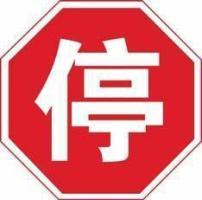
A. stop to yield
B. no stopping temporarily
C. no entry
D. no long stopping
Answer: A
17. In which section cannot overtake?
A. mountain road
B. urban elevated road
C. urban expressway
D. narrow bridge and curve
Answer: D
18. Can leave the expressway into the ramp from this location directly.
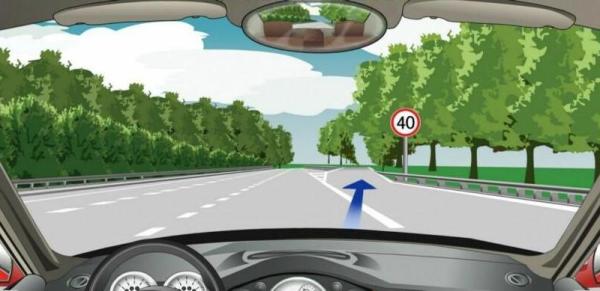
A. Right
B. Wrong
Answer: B
19. Whats the meaning of this sign?
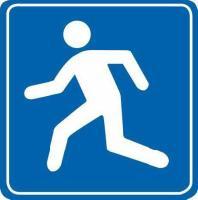
A. emergency shelter
B. service area
C. pedestrian passage
D. crossing road facility
Answer: A
20. It flashes when turning on the hazard lights.

A. Right
B. Wrong
Answer: A