

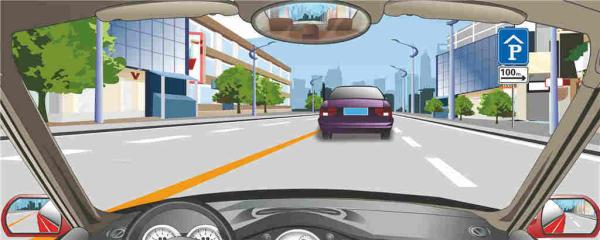
1. The sign in front indicates an indoor parking ground 100 meters ahead.
A. Right
B. Wrong
Answer: A
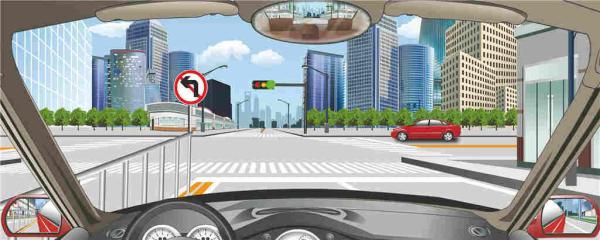
2. Motor vehicle drivers are allowed to make a U-turn at this intersection.
A. Right
B. Wrong
Answer: B
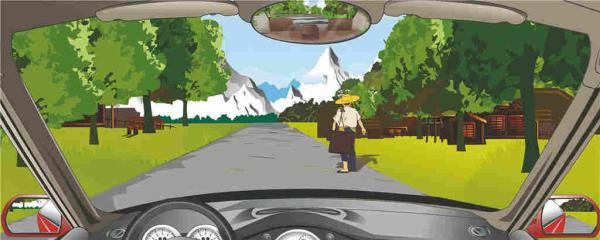
3. When encountering such pedestrians while driving, a longer safety distance should be kept by drivers.
A. Right
B. Wrong
Answer: A
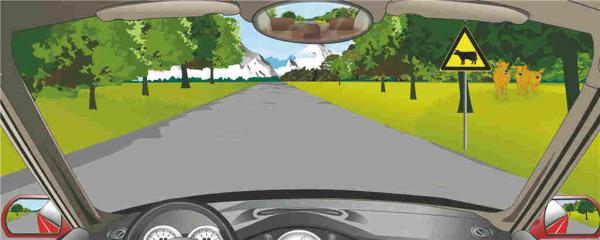
4. The sign on the right warns of a wildlife protection area ahead.
A. Right
B. Wrong
Answer: B
5. When extinguishing fire, the synthetic-made garments should not be taken off in order to protect the exposed skin from burning.
A. Right
B. Wrong
Answer: B
6. The sign in front indicates that vehicles except large passenger vehicles are not allowed to drive on the right lane.
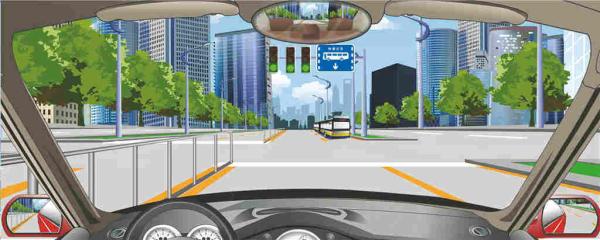
A. Right
B. Wrong
Answer: B
7. The sign in front is an advance announcement of the directions led by this intersection.
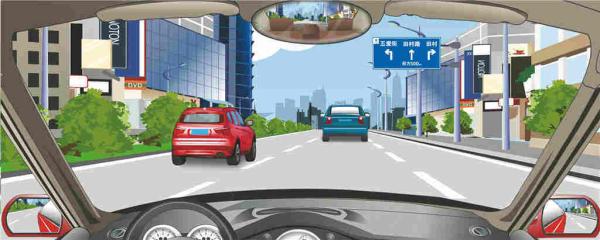
A. Right
B. Wrong
Answer: A
8. What should be checked before driving?
A. No parts need to be checked
B. Whether the tires have been cleaned
C. Where the spare tire is placed
D. The fastening and air pressure of tires
Answer: D
9. The sign on the right warns of traffic signals ahead.
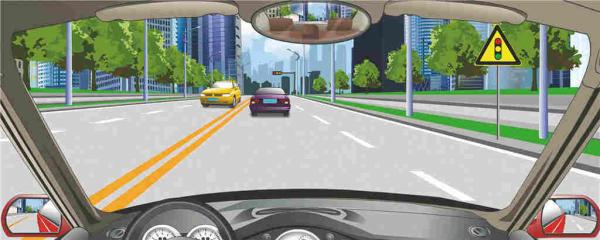
A. Right
B. Wrong
Answer: A
10. When encountering a road like this, motor vehicle drivers may make good use of neutral gear to coast.
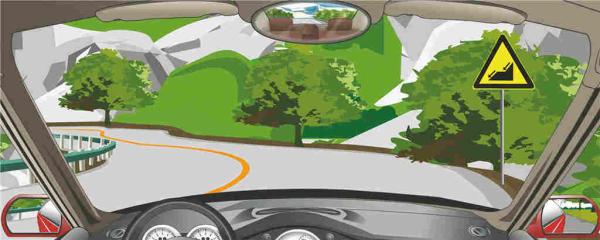
A. Right
B. Wrong
Answer: B
11. Which one of the following is the safest way when driving a motor vehicle on this road?
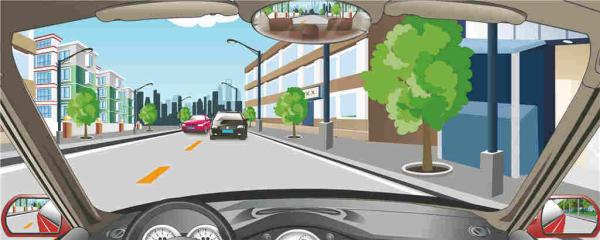
A. Cutting speed or stopping to yield
B. Driving along the center of the road
C. Keeping a normal speed
D. Approaching vehicles by taking the opposite lane
Answer: A
12. When a motor vehicle catches fire, the driver should swiftly turn off the engine and open the hood to extinguish the fire.
A. Right
B. Wrong
Answer: B
13. How should the driver pass this place safely?
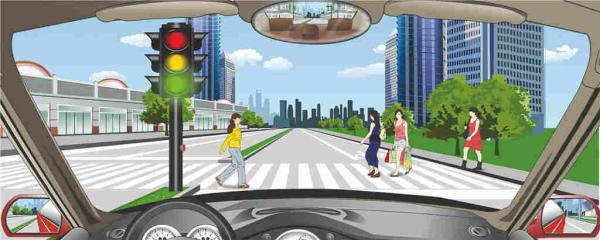
A. Speed up and pass in the front of the pedestrians
B. Bypass behind the pedestrians
C. Slow down and sound the horn
D. Stop and wait until the pedestrians pass
Answer: D
14. When encountering a road like this, motor vehicle drivers should downshift in advance and control speed by braking the engine.
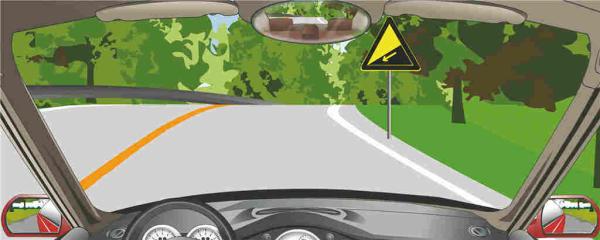
A. Right
B. Wrong
Answer: A
15. What needs attention when a motor vehicle drives on a road covered with ice and snow?
A. Braking length is extended
B. Anti-skating resistance will be greater
C. The adhesive force of the road will be greater
D. The braking length will be shorter
Answer: A
16. The driver may turn right directly at this intersection.
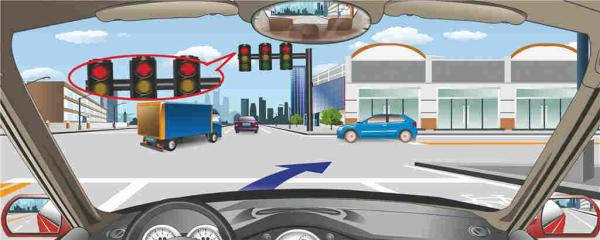
A. Right
B. Wrong
Answer: B
17. What action is important on this kind of mountain road?
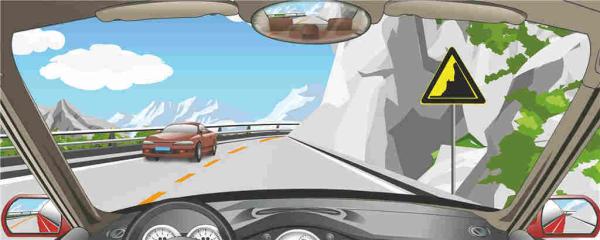
A. Take care of the dangerous hillside road on the left
B. Drive on the left
C. Drive along the central line of the road
D. Drive on the right side and pass slowly
Answer: D
18. When approaching a sharp curve, motor vehicle drivers should reduce speed only after entering the curve.
A. Right
B. Wrong
Answer: B
19. Dangerous chemicals possess the characteristics of explosion, inflammation, poison, erosion and radiation.
A. Right
B. Wrong
Answer: A
20. The sign on the right warns of a road section ahead under construction.
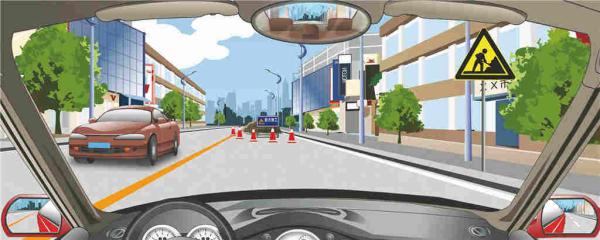
A. Right
B. Wrong
Answer: A