

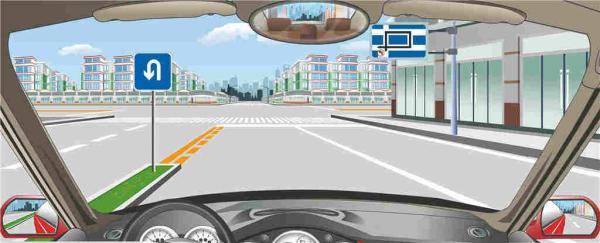
1. The sign on the right indicates a left-turn bypass route at the intersection ahead.
A. Right
B. Wrong
Answer: A
2. What should the driver do when seeing these hand signals?
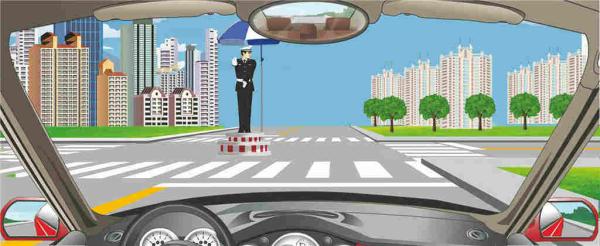
A. Go straight and pass through the intersection
B. Stop and wait
C. Turn right at the intersection
D. Turn left at the intersection
Answer: B
3. When driving into the traffic flow on a main road from a relief road, drivers should speed up.
A. Right
B. Wrong
Answer: B
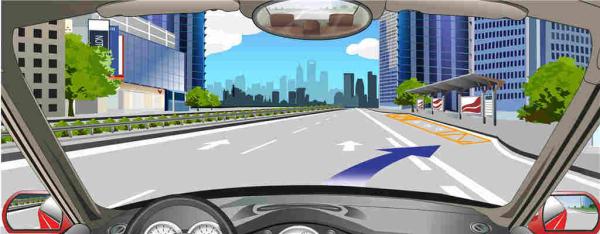
4. The area in the yellow rectangle markings on the right side of the road indicates that temporary stopping is permitted here.
A. Right
B. Wrong
Answer: B
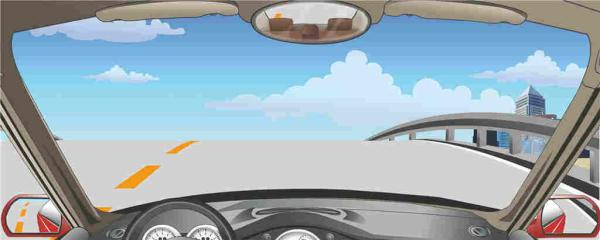
5. Motor vehicle drivers should rush to the top of the slope in this situation.
A. Right
B. Wrong
Answer: B
6. When driving on an expressway in rain, the driver should slow down to avoid steering failure arising from water slide
A. Right
B. Wrong
Answer: A
7. When driving on an expressway, where should the driver park?
A. The service area
B. The acceleration lane
C. The deceleration lane
D. On the ramp
Answer: A
8. What should be given attention when setting off in this weather?
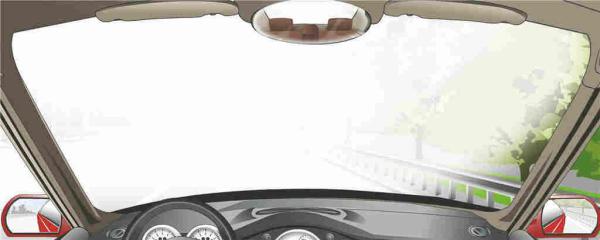
A. Turning on the high-beam
B. Turning on the front and rear fog lamps
C. Turning on the left indicator only
D. Continuously sounding the horn
Answer: B
9. The marking on the road surface indicates that the speed limit of this road section is 50 km/hour.
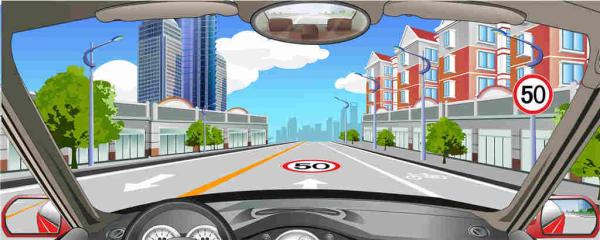
A. Right
B. Wrong
Answer: A
10. What should the driver do when the motor vehicle passes a flyover?
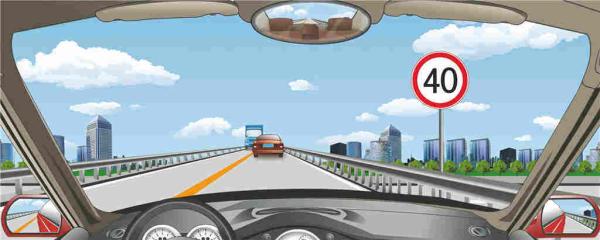
A. Speed up and pass rapidly
B. Keep the speed under 15 km/hour
C. Drive at the speed indicated by the traffic sign
D. Drive close to the central line of the flyover
Answer: C
11. On a mountain road, what should the driver do in this situation?
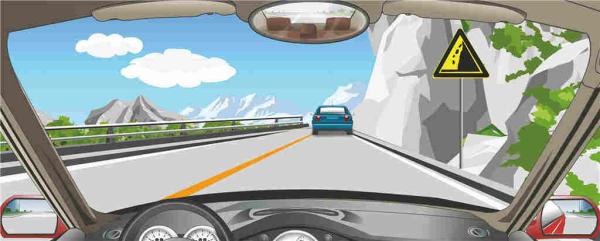
A. Drive on the left and speed up to bypass
B. Stop to observe and pass slowly
C. Observe closely and pass as soon as possible
D. Sound the horn several times and pass slowly
Answer: C
12. Drivers may temporarily cross these central broken and solid yellow lines when overtaking.
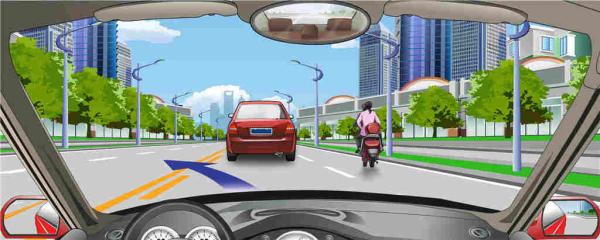
A. Right
B. Wrong
Answer: A
13. When encountering a road like this, motor vehicle drivers should downshift in advance to maintain the dynamic of the motor vehicle.
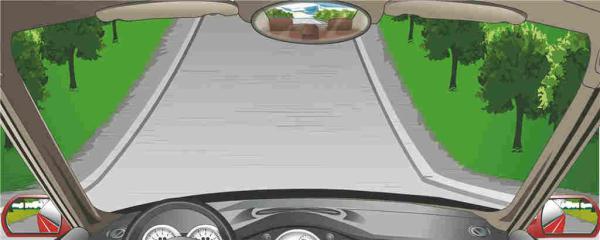
A. Right
B. Wrong
Answer: A
14. What action is important on this kind of mountain road?
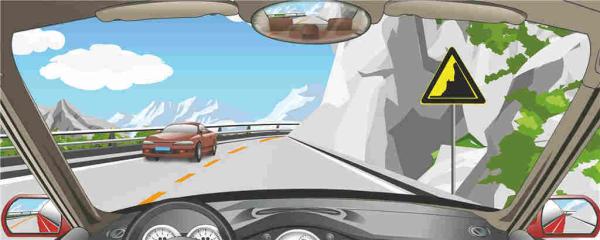
A. Take care of the dangerous hillside road on the left
B. Drive on the left
C. Drive along the central line of the road
D. Drive on the right side and pass slowly
Answer: D
15. Under such circumstances, what should be done by the motor vehicle driver who has been overtaken?
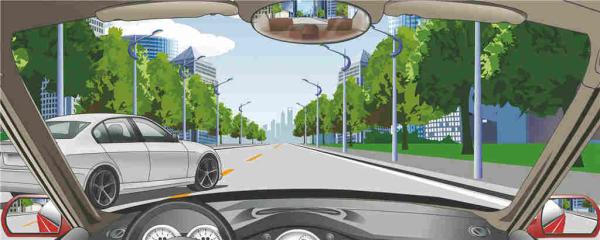
A. Sounding the horn to warn the vehicle that overtook
B. Reducing speed or pulling over by the right side
C. Protesting by turning on the high-beam
D. Catching up with and overtaking the vehicle that overtook, and offering admonitions
Answer: B
16. When a motor vehicle temporarily stops in fog, which lamp should be turned on?
A. Hazard lamp, clearance lamp and rear position lamp
B. Left-turn indicator, clearance lamp and rear position amp
C. Headlamp, clearance lamp and rear position lamp
D. Reverse lamp, clearance lamp and rear position lamp
Answer: A
17. When this signal is constantly flashing, how should a driver react?
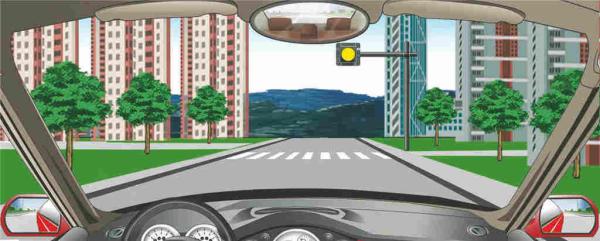
A. Speed up as soon as possible
B. Pull over and wait
C. Observe the traffic situation around to make sure of safe driving
D. Refrain from passing
Answer: C
18. When driving on a muddy road, the driver should hold the steering wheel firmly and speed up to pass through.
A. Right
B. Wrong
Answer: B
19. When a motor vehicle needs to stop for inspection after having an accident on an expressway, where should the driver park?
A. On the far outer lane
B. On the inner lane
C. On the emergency lane
D. In the triangle area on the ramp
Answer: C
20. How many kinds of law-breaking acts are displayed in flash 3?
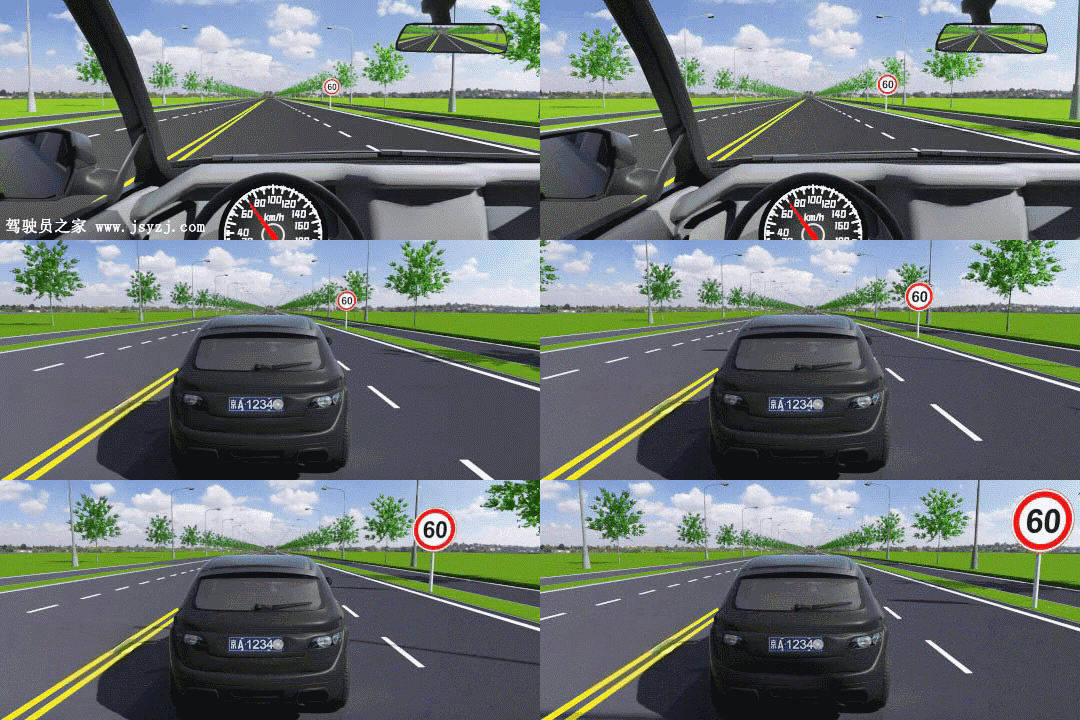
A. One
B. Two
C. Three
D. Four
Answer: B