

1. Can leave the expressway into the ramp from this location directly.
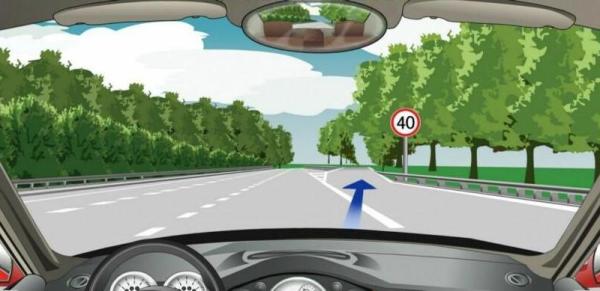
A. Right
B. Wrong
Answer: B
2. This sign reminds bump road ahead which may causes bump phenomenon.
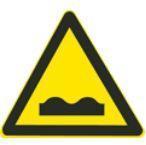
A. Right
B. Wrong
Answer: A
3. When encountering children on the road, the driver should _________.
A. Reduce speed and go slowly, or stop to yield when necessary
B. Continuously honk to urge
C. Swiftly bypass from one side
D. Speed up and bypass
Answer: A
4. Full penalty points of a scoring cycle because of violating the traffic regulations is 12 points.
A. Right
B. Wrong
Answer: A
5. A front tire blowout is very dangerous. The vehicle will immediately turn to the side where the tire is blown out and have a direct impact on the drivers control of the steering wheel.
A. Right
B. Wrong
Answer: A
6. Whats the meaning of this guide arrow?

A. no passing
B. driving lane
C. merging
D. going straight
Answer: D
7. Opening the doors of a motorized vehicle should not obstruct the flow of other vehicles and pedestrians.
A. Right
B. Wrong
Answer: A
8. Whats the meaning of this sign?

A. crosswalk
B. students passage
C. watch for pedestrians
D. children?ˉs passage
Answer: A
9. In which situation the traffic police may detain the vehicle on road?
A. not hang the license plate
B. no ID card
C. no insurance contract
D. no lable of environmental protection
Answer: A
10. Whats the meaning of this sign?
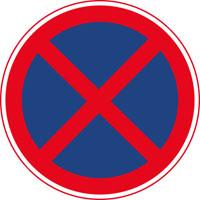
A. stopping temporarily is allowed
B. long stopping is allowed
C. no long stopping
D. no stopping
Answer: D
11. When driving at night, the driver should reduce speed and go forward if the vehicle coming in the opposite direction fails to turn off the high beam light. This is designed to prevent an accident from happening when there are pedestrians crossing the place where the lights of the two vehicles meet.
A. Right
B. Wrong
Answer: A
12. Whats the meaning of this sign?
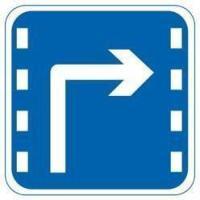
A. right-turn lane
B. U turn lane
C. left-turn lane
D. lanes for going in different directions
Answer: A
13. What device does the switch of this symbol control?
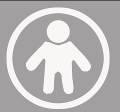
A. child safety lock
B. window glasses of both sides
C. electric door
D. door unlock
Answer: A
14. You can drive directly into the expressway from this position.
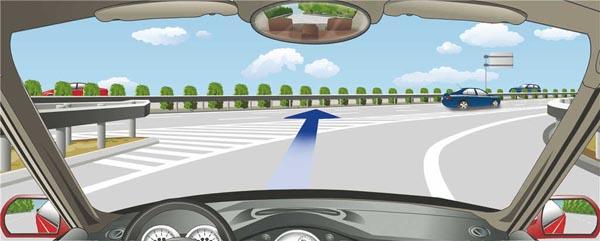
A. Right
B. Wrong
Answer: B
15. When discovering traffic congestion ahead while driving, the driver should ________.
A. Find a chance to overtake the vehicle in front
B. Weave through other vehicles
C. Reduce speed, stop and wait in line
D. Honk to urge other vehicles
Answer: C
16. An unregistered motorized vehicle should have _________ if it has to run on the road temporarily.
A. certificate of legal origin
B. license plate for temporary moving
C. borrowed license plate
D. certificate of legal unit
Answer: B
17. No turning right at the intersection ahead.

A. Right
B. Wrong
Answer: B
18. When a vehicle goes uphill on a mountain road, it should change to a lower gear in a timely, accurate and rapid manner so as to avoid a situation in which driving at a high gear can reduce the power of the engine.
A. Right
B. Wrong
Answer: A
19. What is this instrument?
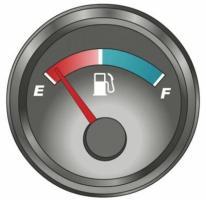
A. pressure meter
B. ammeter
C. water temperature meter
D. fuel meter
Answer: D
20. It lights to indicate that ______

A. the tail fog light is turned on
B. the low beam light is turned on
C. the high beam light is turned on
D. the head fog light is turned on
Answer: D