

1. The sign in front indicates a one-way lane after turning left.
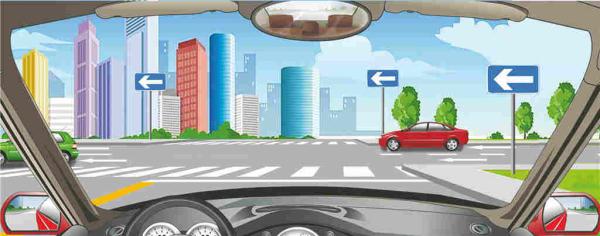
A. Right
B. Wrong
Answer: A
2. The sign on the right indicates the location of the highway emergency phone.
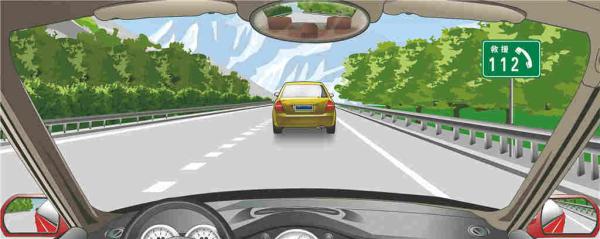
A. Right
B. Wrong
Answer: B
3. Motor vehicle drivers are allowed to make a U-turn at this intersection.
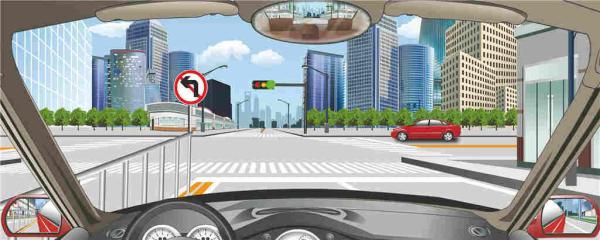
A. Right
B. Wrong
Answer: B
4. What should the driver pay attention to in this situation?
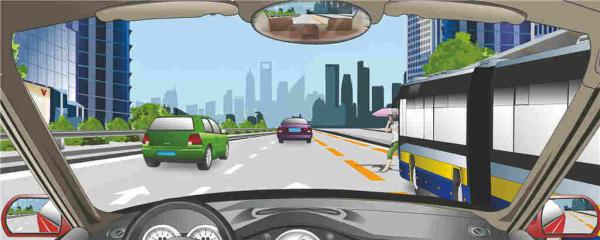
A. Pedestrians passing behind the vehicle
B. Pedestrians passing in front of the vehicle
C. Public buses suddenly reversing
D. Public buses suddenly setting off
Answer: B
5. When approaching another vehicle at night, why should the driver alternate between high-and-low-beam at a distance more than 150 meters?
A. Warn each other before passing
B. Driving habit
C. Easy to observe the situation ahead from either side
D. Courtesy
Answer: C
6. In which ones of the following ways can motor vehicle drivers effectively prevent braking failure?
A. Maintaining the braking system periodically
B. Checking the free brake pedal travel before driving
C. Using the braking system correctly to avoid brake-fade
D. For vehicles with hydraulic braking system, checking if the brake fluid leaks before driving
Answer: ABCD
7. The cross-hatched marking indicates an area where vehicle drivers are not allowed to stop.
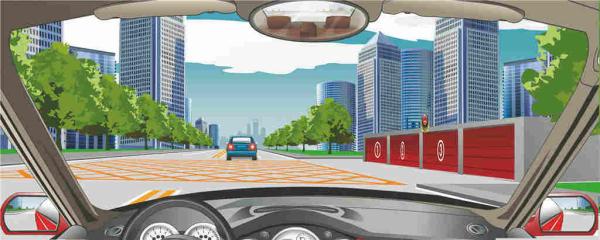
A. Right
B. Wrong
Answer: A
8. A motor vehicle may stop and yield if it encounters any problem when changing to the driving lane from an acceleration lane.
A. Right
B. Wrong
Answer: B
9. Which one of the following is the safest way when driving a motor vehicle on this road?
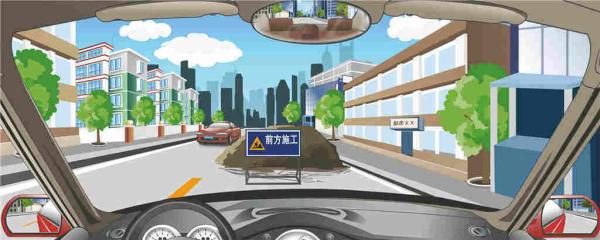
A. Speed up and bypass the obstacle
B. Take the opposite lane and compel the other vehicle to yield
C. Stop and yield to the oncoming vehicle
D. Sound the horn or turn on the headlamp
Answer: C
10. When driving in a strong wind, drivers should abruptly turn the steering wheel to return to the original direction if they feel the vehicle deviates horizontally due to a strong gale.
A. Right
B. Wrong
Answer: B
11. The sign on the right warns of an unguarded railway intersection ahead.

A. Right
B. Wrong
Answer: B
12. When driving on a foggy day, the driver should turn on the fog lamp.
A. Right
B. Wrong
Answer: A
13. When there is a sudden braking failure on a downhill road, in which ones of the following ways can drivers reduce speed?
A. Driving onto the emergency lane and reduce speed and stop there
B. Rubbing the vehicle body against the rocks or trees on roadside
C. Pulling up the handbrake first
D. Immediately changing to a low gear
Answer: ABD
14. The sign on the right warns of a danger from rockfall on the left side.
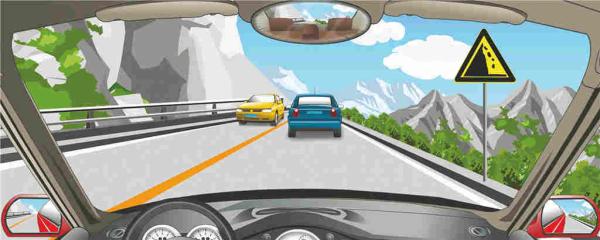
A. Right
B. Wrong
Answer: A
15. When encountering this situation in a residential area, the driver should follow them closely.
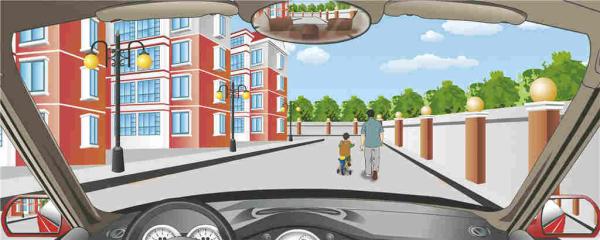
A. Right
B. Wrong
Answer: B
16. The guide arrow on the road surface of this lane indicates that only left turns are permitted at the intersection ahead.
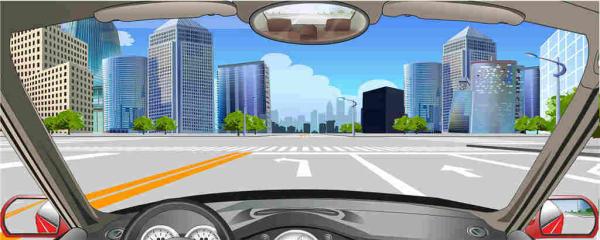
A. Right
B. Wrong
Answer: A
17. The sign on the right warns of children on the section ahead.
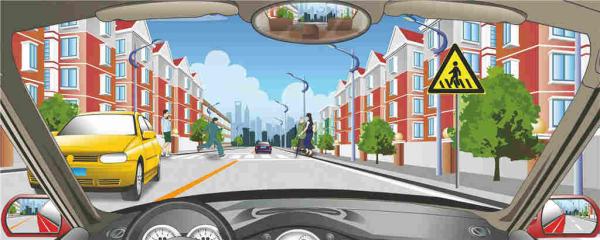
A. Right
B. Wrong
Answer: B
18. Which one of the following statements is the safest measure for a motor vehicle driver to take on this kind of road?
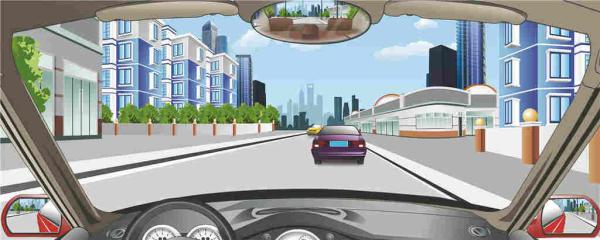
A. Accelerate to overtake the vehicle in front as soon as possible
B. Sound the horn to warn the vehicle in front to yield
C. Follow the vehicle in front and keep a certain distance
D. Overtake the vehicle in front from its righthand
Answer: C
19. Under such circumstances, what should be done by the motor vehicle driver who has been overtaken?
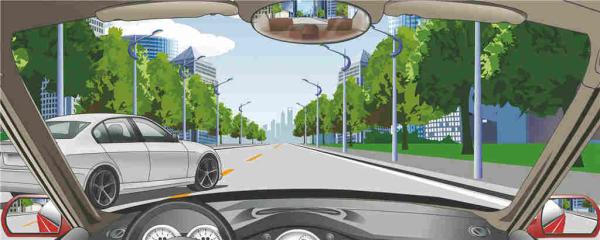
A. Sounding the horn to warn the vehicle that overtook
B. Reducing speed or pulling over by the right side
C. Protesting by turning on the high-beam
D. Catching up with and overtaking the vehicle that overtook, and offering admonitions
Answer: B
20. The sign on the right indicates that the speed limit is 50km/hour.
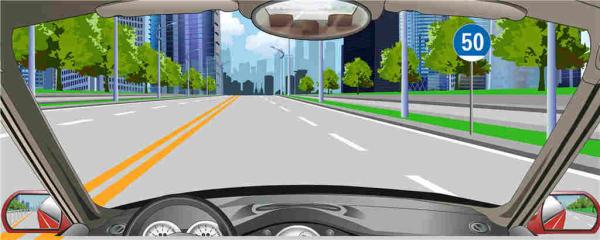
A. Right
B. Wrong
Answer: B