

1. When a wounded person suffering burns is thirsty, he should only drink plain boiled water.
A. Right
B. Wrong
Answer: B
2. When a motor vehicle approaches the exit of a tunnel the driver should firmly hold the steering wheel to prevent any harmful effects of a strong side wind.
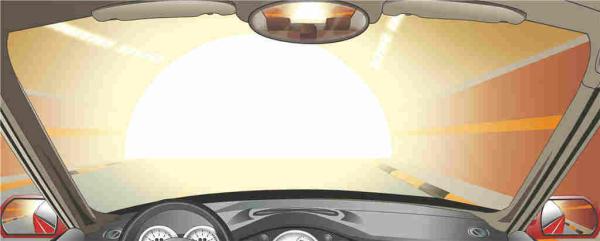
A. Right
B. Wrong
Answer: A
3. What should drivers keep in mind when driving on a mountainous road?
A. Keep a safe distance
B. Avoid occupancy of another lane when making a turn
C. Downshift in advance when ascending an abrupt slope
D. Taking full advantage of engine braking when descending a long slope
Answer: ABCD
4. When driving on a muddy road, the driver should hold the steering wheel firmly and speed up to pass through.
A. Right
B. Wrong
Answer: B
5. The sign on the right warns of children on the section ahead.
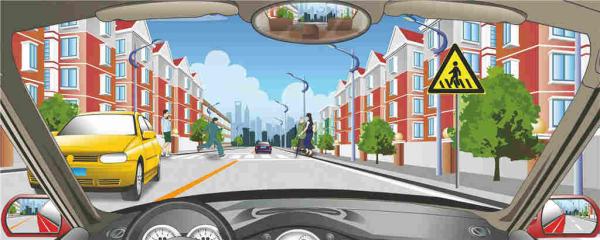
A. Right
B. Wrong
Answer: B
6. What matters need attention when driving on a rainy day?
A. Avoid using the emergency brake or making sharp turns
B. Keep a safe enough distance
C. Observe the traffic situation of non-motor vehicles and surrounding pedestrians
D. Drive at a safe speed
Answer: ABCD
7. The sign in front indicates a one-kilometer distance from the next left exit.
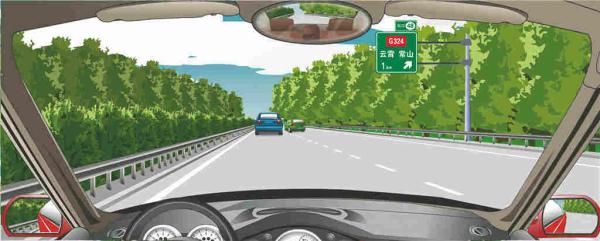
A. Right
B. Wrong
Answer: B
8. When driving into the traffic flow on a main road from a relief road, drivers should speed up.
A. Right
B. Wrong
Answer: B
9. The sign above the tunnel indicates a height limit of 3.5 meters on the road ahead.
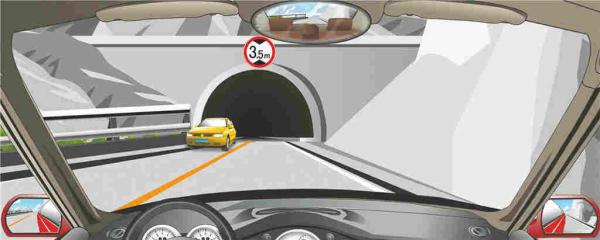
A. Right
B. Wrong
Answer: A
10. In which ones of the following ways can motor vehicle drivers effectively prevent braking failure?
A. Maintaining the braking system periodically
B. Checking the free brake pedal travel before driving
C. Using the braking system correctly to avoid brake-fade
D. For vehicles with hydraulic braking system, checking if the brake fluid leaks before driving
Answer: ABCD
11. This sign indicates that vehicles can either drive straight or turn right at the fly-over junction ahead.

A. Right
B. Wrong
Answer: B
12. This sign warns to bypass from the right side to avoid the roadblock.
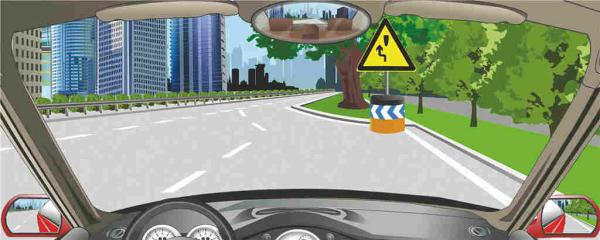
A. Right
B. Wrong
Answer: B
13. The leading cause of this accident is that the driver failed to make sure that it was safe to reverse before doing so.
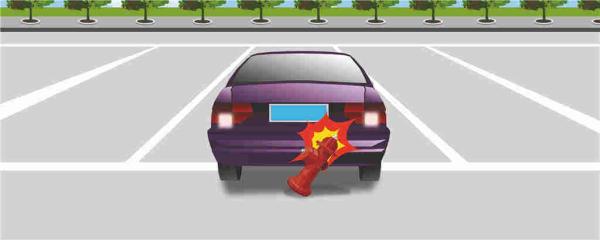
A. Right
B. Wrong
Answer: A
14. If a motor vehicle enters a driving lane under this situation, what should the driver do?
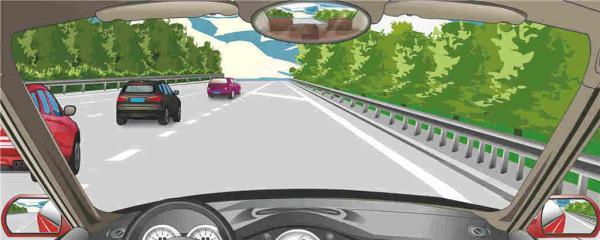
A. Control the driving speed and follow the last vehicle
B. Speed up and cut in front of the second vehicle
C. Speed up and cut in front of the first vehicle
D. Cut in between two vehicles at will
Answer: A
15. The sign on the right warns of a guarded railway intersection ahead.
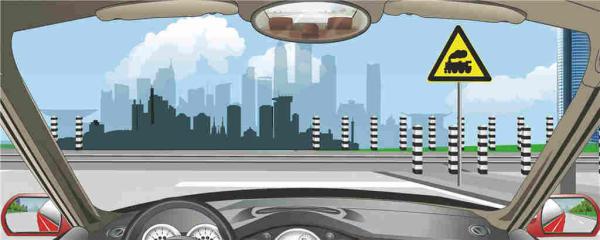
A. Right
B. Wrong
Answer: B
16. What should drivers do when encountering a rainstorm on a common road and the windscreen-wiper fails to make sight clear?
A. Drive at a reduced speed
B. Drive carefully
C. Cut speed in time and pull over
D. Drive at a normal speed
Answer: C
17. In the flash, it is correct for the driver to behave this way when there is a traffic jam caused by an accident on the expressway.
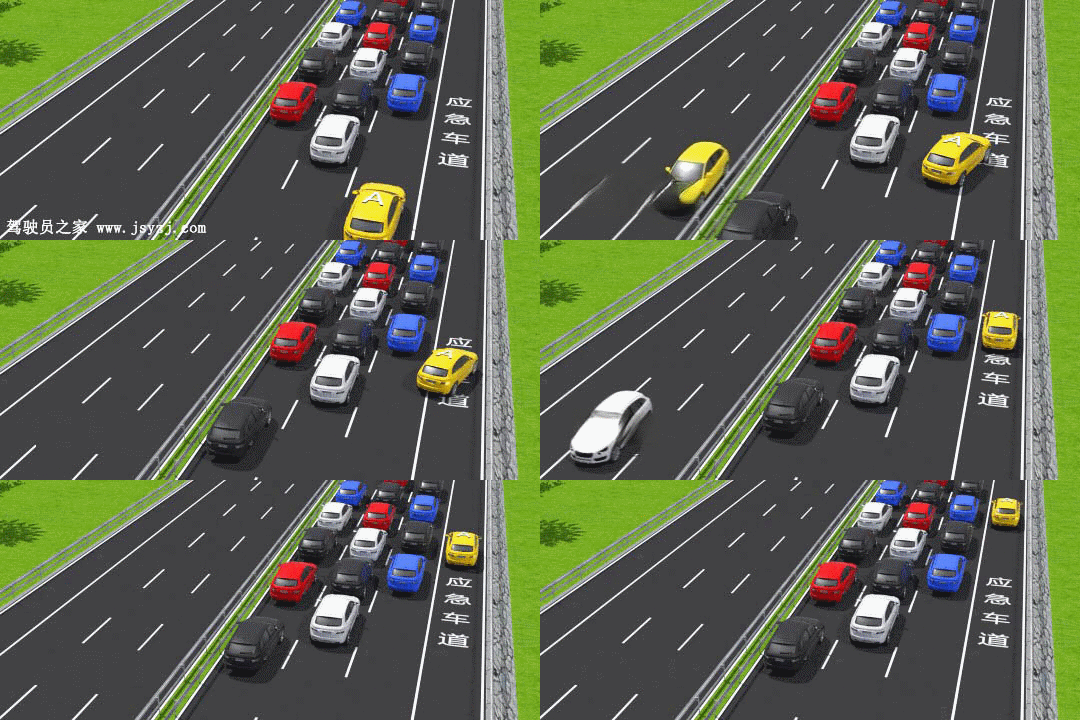
A. Right
B. Wrong
Answer: B
18. The sign in front indicates a 2-kilometer distance from the destination of the highway ahead.
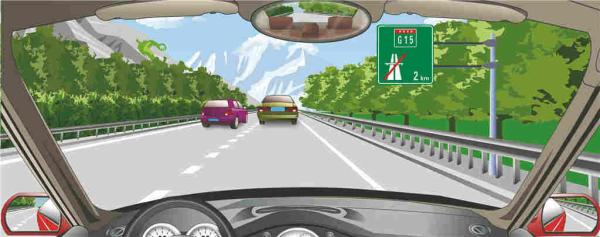
A. Right
B. Wrong
Answer: A
19. When a motor vehicle temporarily stops in fog, which lamp should be turned on?
A. Hazard lamp, clearance lamp and rear position lamp
B. Left-turn indicator, clearance lamp and rear position amp
C. Headlamp, clearance lamp and rear position lamp
D. Reverse lamp, clearance lamp and rear position lamp
Answer: A
20. As shown in the flash, the actions of the driver are correct.
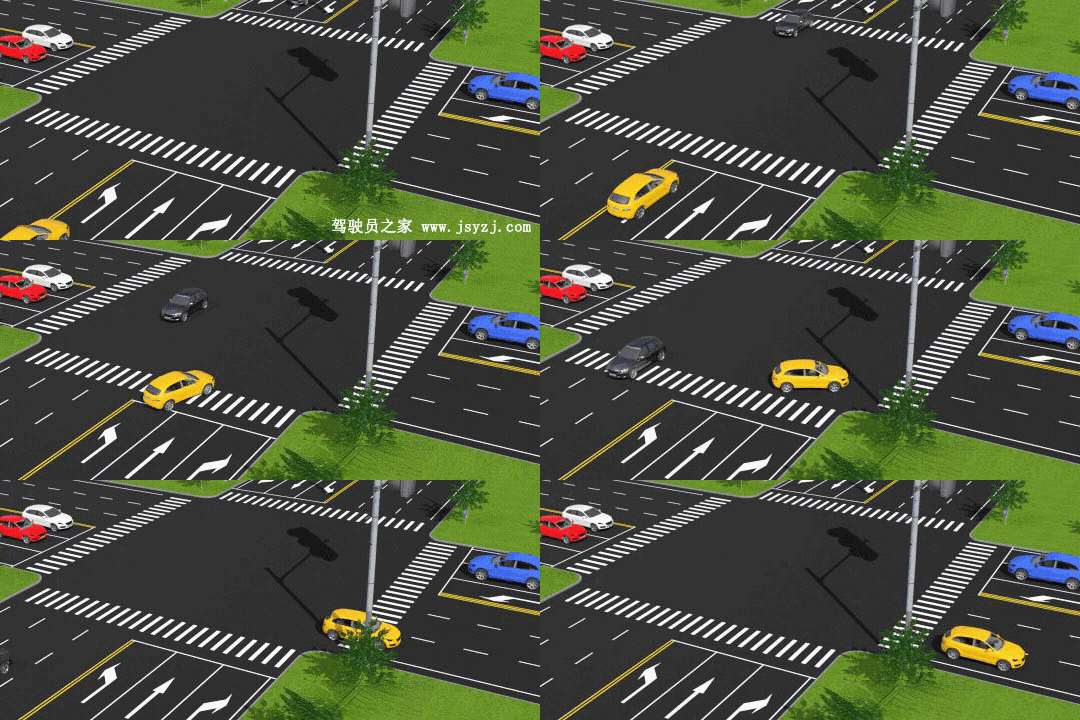
A. Right
B. Wrong
Answer: B