

1. This sign indicates intersection ahead.
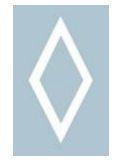
A. Right
B. Wrong
Answer: B
2. Whats the meaning of this sign?
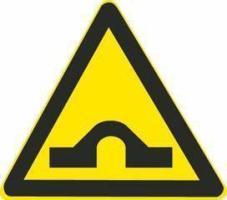
A. hump bridge
B. high outburst road
C. low-lying road
D. bump road
Answer: A
3. What is the max speed when down slope, turning around and U turn?
A. 50km/hr
B. 60km/hr
C. 30km/hr
D. 40km/hr
Answer: C
4. Using the low beam light in such circumstances.
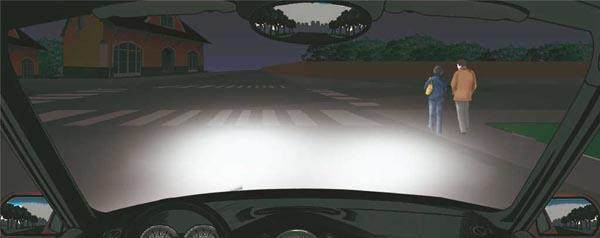
A. Right
B. Wrong
Answer: A
5. What is this instrument?
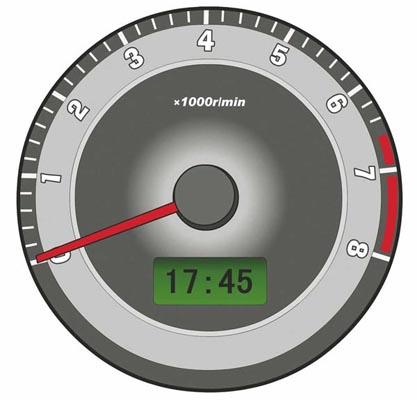
A. engine tachometer
B. driving speed meter
C. interval mileage meter
D. fuel consumption / 100 km
Answer: A
6. May stop temporarily in the lane for non-motorized vehicles in this section.
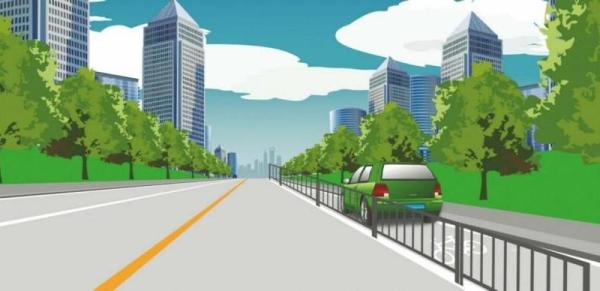
A. Right
B. Wrong
Answer: B
7. Whats the meaning of this sign?

A. expressway mileage No.
B. expressway border plate No.
C. expressway name No.
D. expressway section No.
Answer: C
8. The validity of the driving license is divided into 6-year, 10-year and 20-year.
A. Right
B. Wrong
Answer: B
9. It lights to indicate that luggage compartment is open.

A. Right
B. Wrong
Answer: B
10. Whats the meaning of this sign?
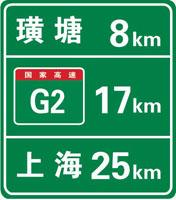
A. indication of the place name of the expressway ending
B. indication of the driving route of the expressway
C. indication of the driving direction of the expressway
D. indication of the location and distance of the expressway
Answer: D
11. Whats the meaning of this sign?
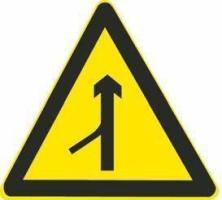
A. Y-shaped intersection
B. main road yield
C. attention to branching
D. attention to merging
Answer: D
12. When driving on a road covered by ice and snow, the driver must reduce speed and increase the safe distance.
A. Right
B. Wrong
Answer: A
13. Do not hang or place articles close to the front and rear windows that block the vision of the driver.
A. Right
B. Wrong
Answer: A
14. It lights to indicate enabling the floor and the front windscreen fan.

A. Right
B. Wrong
Answer: A
15. Traffic Police can detain the vehicle according to law if it is suspected of using the label of inspection from other vehicle.
A. Right
B. Wrong
Answer: A
16. Whats the meaning of this sign?
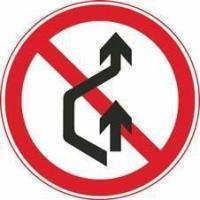
A. no borrowing lane
B. no changing lane
C. no overtaking
D. no U turn
Answer: C
17. This sign reminds the lane or the road narrows on both sides ahead.
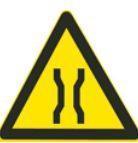
A. Right
B. Wrong
Answer: B
18. Whats the meaning of this sign?
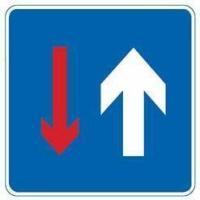
A. stop to yield
B. one-way road
C. going first when crossing each other
D. the opposite vehicle goes first when crossing each other
Answer: C
19. Whats the meaning of this sign?
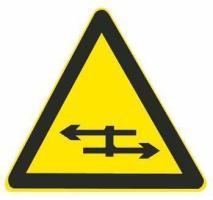
A. flat intersection
B. flat ring intersection
C. attention to interactive intersection
D. attention to separate intersection
Answer: D
20. In which situation the traffic police can detain the vehicle according to law?
A. exceeding 10% of the prescribed speed limits
B. driving when he is exhausted
C. not buckled up while driving
D. driving after drinking
Answer: D