

1. As shown in the flash, what should the motor vehicle driver do when encountering this situation?
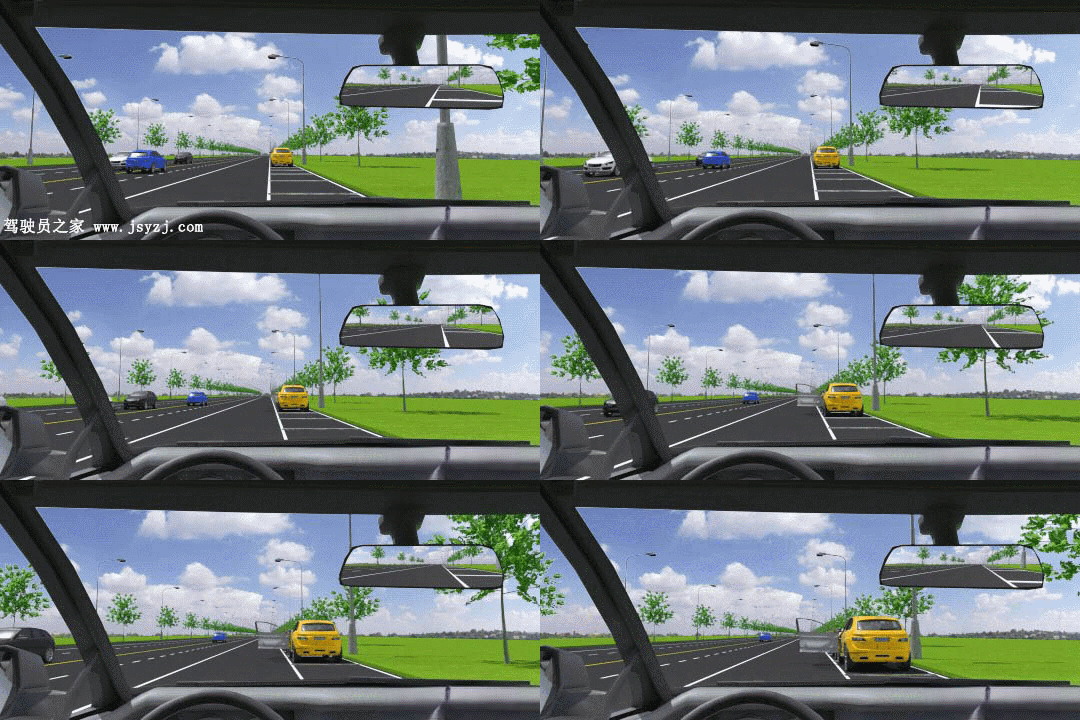
A. Reserve a safe crosswise distance and cut speed
B. Keep a normal speed
C. Use the emergency brake when approaching
D. Speed up and pass rapidly
Answer: A
2. The sign on the right warns of a wildlife protection area ahead.
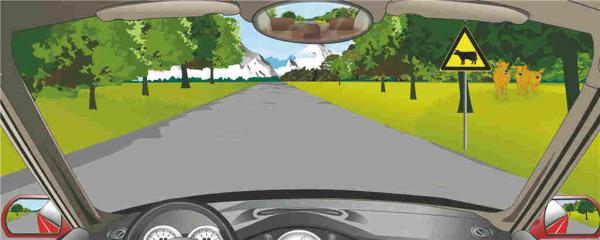
A. Right
B. Wrong
Answer: B
3. What should motor vehicle drivers do under the circumstances shown in the flash?
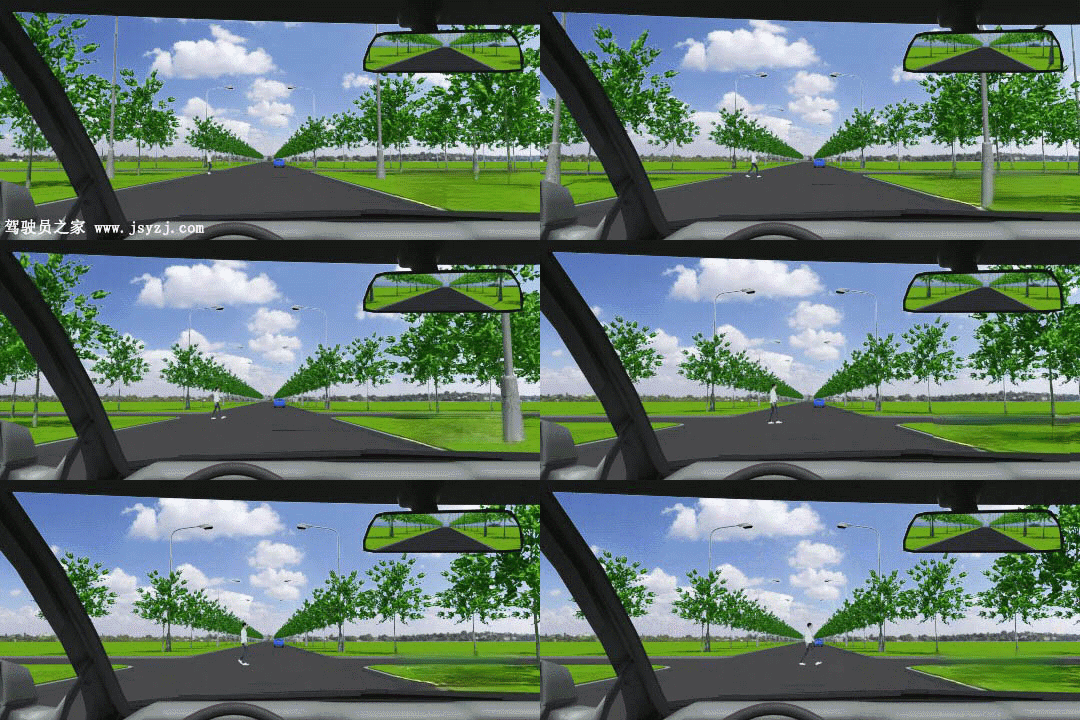
A. Reduce speed or stop to yield
B. Sound the horn to warn the pedestrians to yield
C. Pass before the pedestrians
D. Immediately change to another lane to bypass the pedestrians
Answer: A
4. When there is no bandage for rescuing a wounded person, towels, handkerchiefs, bed sheets and stockings can all be used for dressing.
A. Right
B. Wrong
Answer: A
5. The sign on the right indicates a bypass flow intersection ahead.
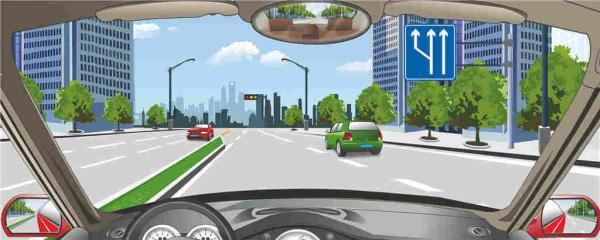
A. Right
B. Wrong
Answer: B
6. The sign in front gives information about the direction of road exits.
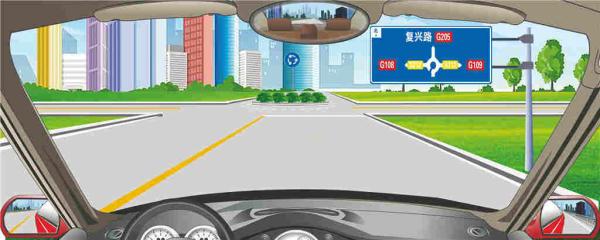
A. Right
B. Wrong
Answer: A
7. What should the driver do in this situation?
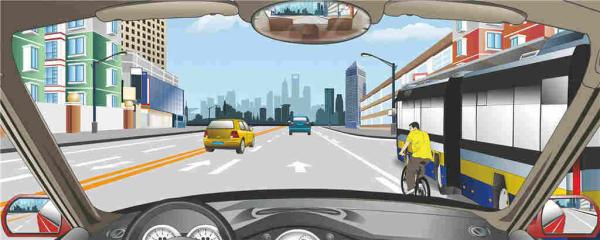
A. Speed up and overtake from the left side
B. Sound the horn continuously to warn the bicycle
C. Follow the bicycle closely
D. Slow down and yield to the bicycle
Answer: D
8. Mr. Zhou drove a light van (with 22 passengers) on the Bingcha Highway. At the spot of 79 kilometers mark by 150 meters of the highway, the van fell into the valley on one side, killing 12 people and injuring 10. What is the main illegal act committed by Mr. Zhou?
A. Driving a motor vehicle having failed to accept inspection in time
B. Carrying passengers on a freight motor vehicle
C. Speeding
D. Fatigued driving
Answer: B
9. When a bicycle borrows the motor vehicle lane, the motor vehicle may sound the horn hurriedly to warn the bicycle to yield.
A. Right
B. Wrong
Answer: B
10. Under such circumstances at an intersection. what should motor vehicle drivers do?
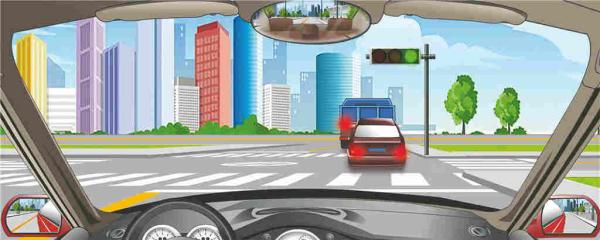
A. Drive into the intersection and wait
B. Wait in front of the intersection stop-line
C. Pass through in the right non-motor vehicle lane
D. Pass through the intersection by borrowing the opposite lane
Answer: B
11. A driver should accelerate in advance to overtake then it is likely to meet with oncoming vehicles.
A. Right
B. Wrong
Answer: B
12. Motor vehicle drivers may make a U-turn in this area as long as it will not affect the passing of pedestrians.
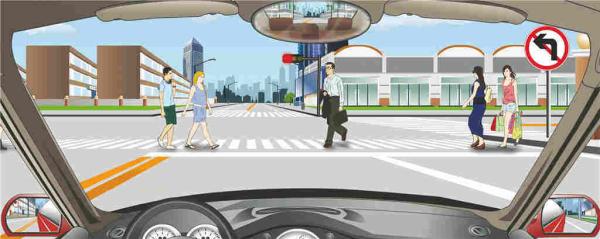
A. Right
B. Wrong
Answer: B
13. The road marker indicates that vehicles are only allowed to turn right at the intersection ahead.
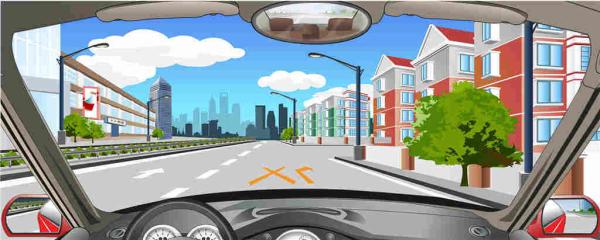
A. Right
B. Wrong
Answer: B
14. When encountering this situation in a residential area the driver should speed up and pass in front of the bicycle.
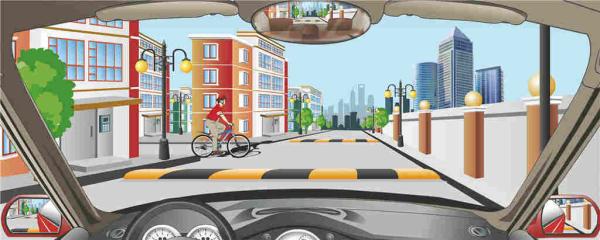
A. Right
B. Wrong
Answer: B
15. Which one of the following measures is correct when a motor vehicle encounters this situation at night?
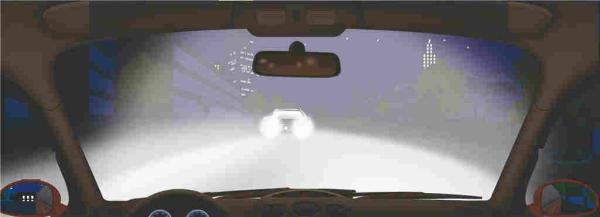
A. Keep driving at a normal speed
B. Drive at an increased speed to avoid light
C. Cut speed or stop to yield
D. Turn on high-beam to reject
Answer: C
16. As shown in the flash, what should the driver do when the motor vehicle encounters this situation?
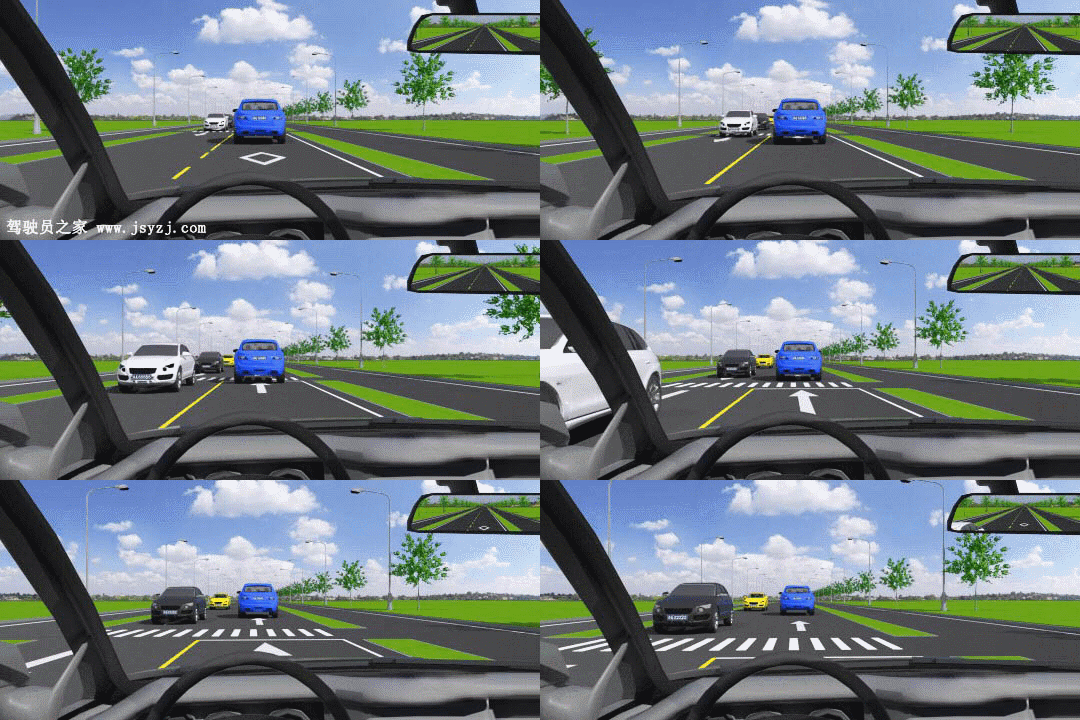
A. Speed up and pass rapidly
B. Stop immediately
C. Sound the horn to indicate the pedestrians to yield
D. Observe the movement of pedestrians and non-motor vehicles before passing
Answer: D
17. Motor vehicles can turn right when driving into an intersection with this traffic signal.
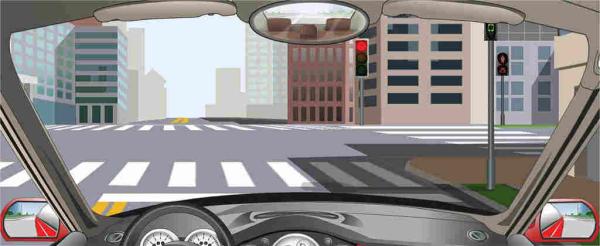
A. Right
B. Wrong
Answer: A
18. A motor vehicle should not pass the level crossing rapidly in this situation.
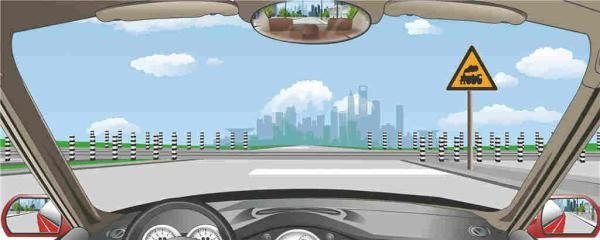
A. Right
B. Wrong
Answer: A
19. What does this sign on the fly-over junction indicate?
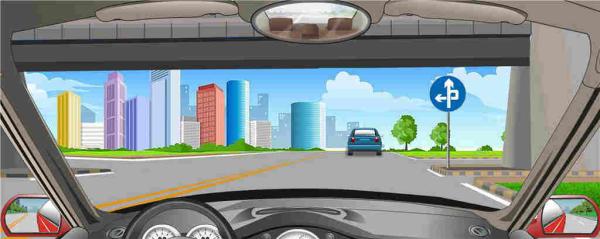
A. Turn right
B. Drive straight or turn left
C. Drive straight or turn right
D. Take a U-turn under bridge
Answer: B
20. What needs attention when a motor vehicle drives on a road covered with ice and snow?
A. Braking length is extended
B. Anti-skating resistance will be greater
C. The adhesive force of the road will be greater
D. The braking length will be shorter
Answer: A